- Replit's CEO says OpenAI is now the default model for Replit Agent, while Anthropic models remain selectable. People familiar with the partnership dispute parts of his account.
- TechCrunch reports most customers stick with the default, so a single setting could move a vendor's revenue without any customer deciding anything.
- Leaders should find out who sets the default model in their AI tools and whether they can swap it without rebuilding.
The default is the real purchasing decision
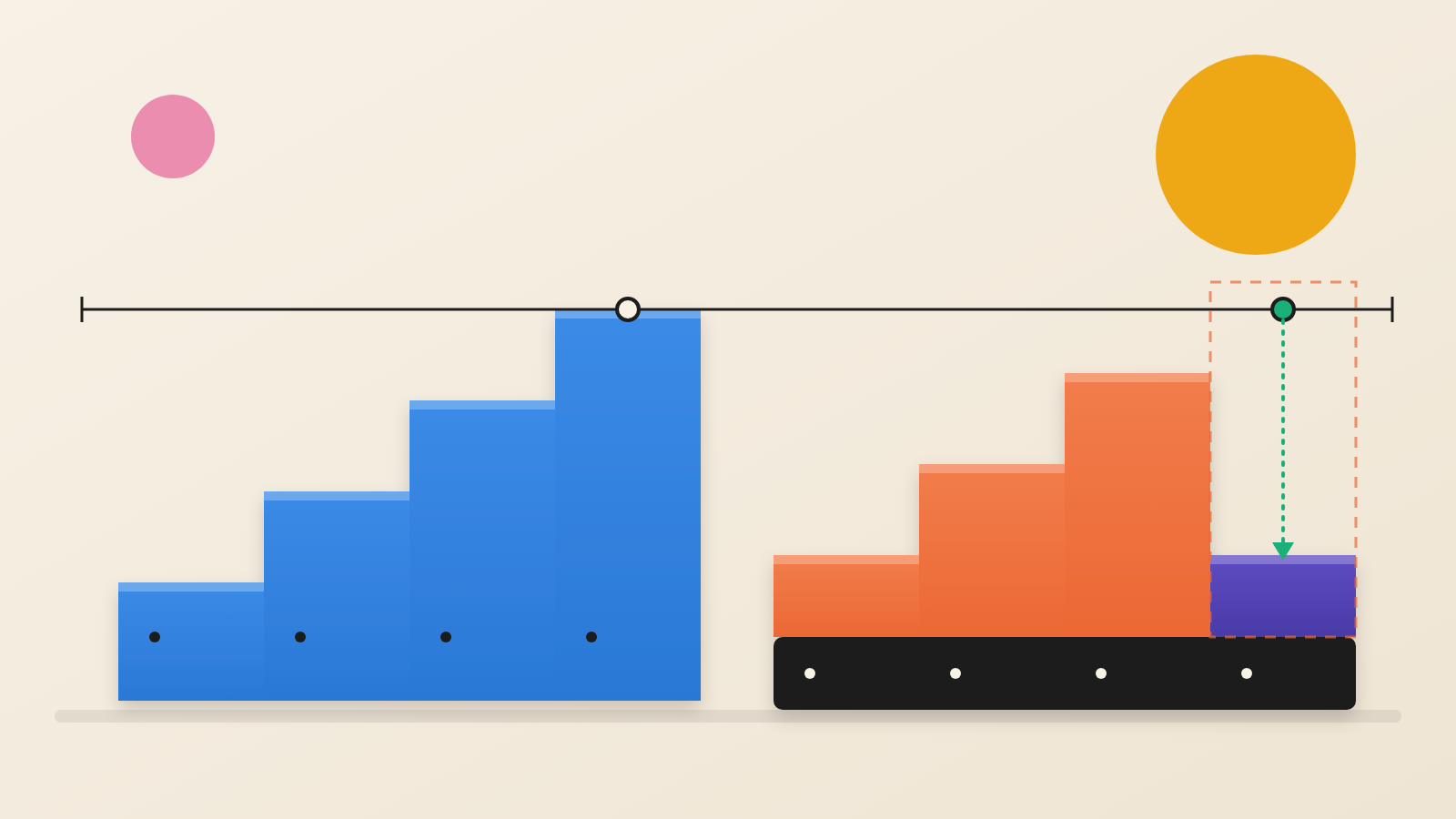
When an AI product lets you pick your model, the pick that matters is the one nobody makes. Most people accept what is already selected. That turns a default setting into a purchasing decision, made once, on behalf of everyone.
Replit's change of default shows how this works. Replit sells a cloud development platform where users build and deploy apps from the browser. Its CEO, Amjad Masad, said at TechCrunch Disrupt that the company is no longer working with Anthropic. Afterward he clarified the position to TechCrunch.
What Replit says, and what others dispute
Masad told TechCrunch that customers can still use Anthropic's Claude or other supported models. OpenAI is now the preferred partner for powering Replit Agent, he said, "based on performance, economics, and the strength of our partnership." On stage he cited an internal benchmark and a public one, and said OpenAI's models performed better at building apps from scratch.
Those are Masad's claims. WebPulse has not seen the benchmarks, and the report does not publish results.
TechCrunch also reports that people familiar with the Anthropic and Replit relationship rejected his on-stage comments. One of them, speaking anonymously, described the partnership as still in place. TechCrunch found a Replit blog post from late September naming two Claude models as running in Replit Agent's production environment. A Replit product employee also promoted an Anthropic model on X around the same time.
The account is therefore contested. What is not contested is the mechanism.
How a default moves money
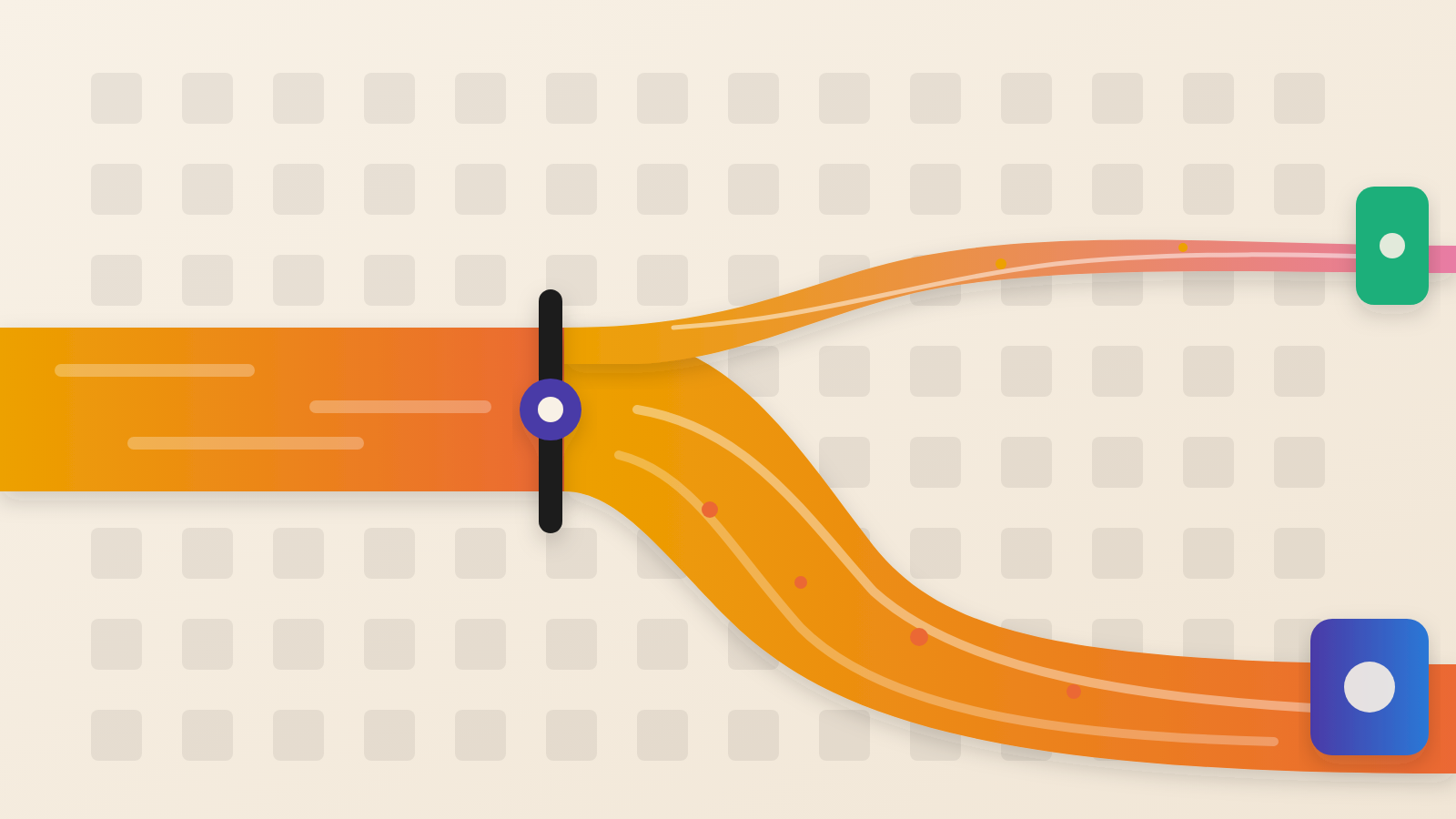
Replit says it stays model agnostic. Users can choose a model, but the platform picks one for those who do not. TechCrunch reports that most customers stick with the default. For that reason, it says, the change could significantly reduce Replit's spend with Anthropic.
Consider what that means for a vendor. Until recently, Masad said, Replit was a top-five Anthropic customer. A change in one setting, made by the platform, could alter a supplier's revenue. No individual customer has to switch.
The same logic applies to anyone buying AI through a platform. If your tools choose the model for you, your vendor relationship may be set by someone else's contract.
Why the controls matter more than the model
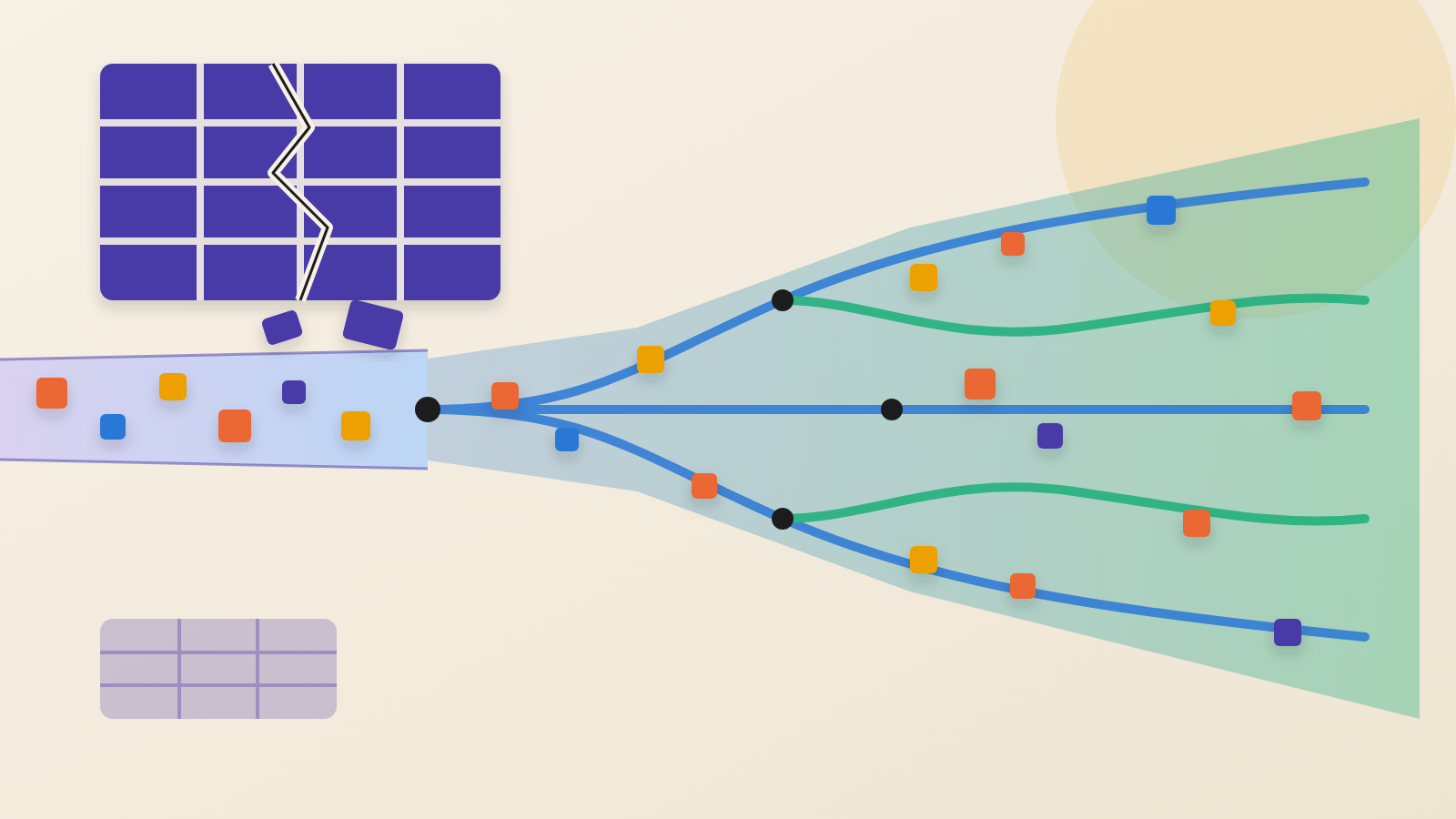
Masad offered an image for what agents need. People need an office, food and air-conditioning to work well, he said. Agents need a "habitat": orchestration, error recovery, sandboxing, networking, and identity and authorization.
This is the useful part for executives. In Masad's account, what changed was the default model and the preferred partner, and he cites cost, partnership and performance.
The habitat is the layer that decides what an agent can reach and who it acts as. If you can change the model without touching the habitat, your risk controls can survive the change. If controls are tied to one model vendor, they may not.
This is the publication's view, not a finding from the report. It follows from Masad's own description of what an agent needs to run safely.
Who is paying for this
Masad also described a business shift. Enterprise contracts were about 2% of Replit's revenue last year and are about 15% this year, he said. More than half of revenue is B2B. In a separate conversation backstage, he told TechCrunch he expects enterprise and government customers to supply the majority of Replit's revenue in 2027.
Replit is not sharing ARR numbers. The percentages are the CEO's own estimates. The report does not say which model serves enterprise customers.
Our inference is this. If enterprise revenue keeps growing as quickly as Masad describes, the question of who sets the default model becomes more of a corporate procurement question.
Questions to put to your team
Ask who sets the default model in each AI tool your company uses. Ask whether you are told when it changes. Ask whether your data terms and safety review cover the new default or only the one you approved.
Ask whether your agents' permissions, sandboxing and identity controls are separate from the model vendor. Ask how long a swap would take and what would have to be rebuilt.
Finally, when a vendor's public account differs from what people close to the relationship say, ask for the facts in writing. Replit's case shows how far a public account and private accounts can diverge.
The lesson is simple. In AI products, the model is a setting. The controls around it are what you actually own.
Produced by the WebPulse Newsroom with AI assistance from the original reporting credited below, and checked against that source by our editorial review. How we use AI.
Original reporting: TechCrunch.