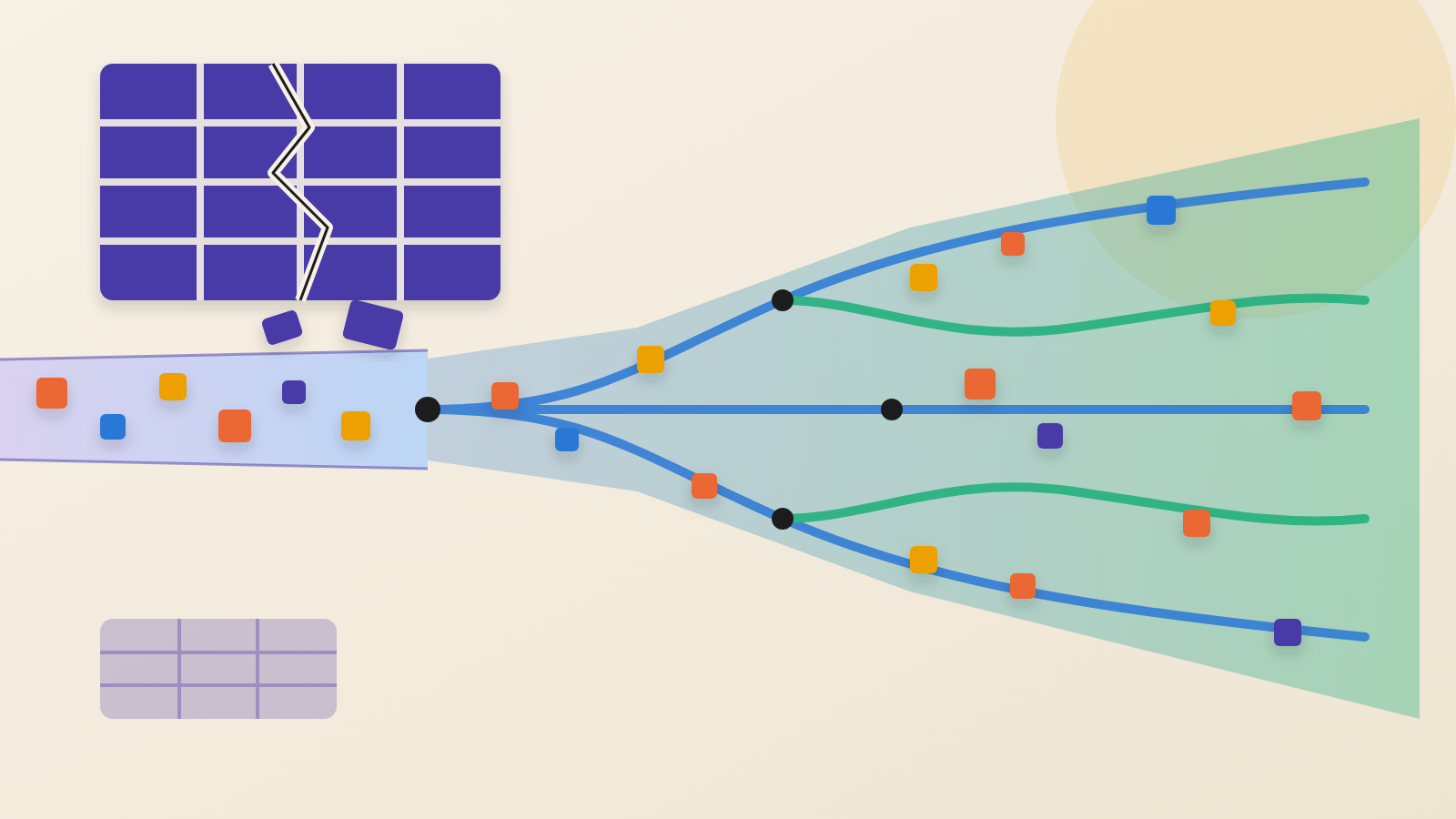
- Anthropic says its daily merges rose from about 2,500 in May 2026 to over 30,000 in September, and git could no longer keep up.
- It built Scion, a server-centred replacement, and reports a footprint 200x smaller than its old git mirrors in CPU and memory. These figures are self-reported by one company with an unusual workload.
- Leaders should ask which tools assume a human at the keyboard, and where waits appear as AI-written code volume grows.
Cheap code moves the bottleneck
Making code faster to write does not remove the slow step. It moves the slow step somewhere else. Anthropic's engineering team says this has happened to them. Coding, they write, is no longer the bottleneck. The tools built around it for human pace are: source control, builds and continuous integration (CI), the automated checks that run on every change.
That is a useful way to read the company's account of Scion, the version control system it built to replace git for its monorepo, a single large codebase shared by many teams. The lesson is not about git. It is about what breaks first when software starts to be written by machines.
Why git strained
Git is decentralized. Every copy holds the full history and can work offline. Anthropic says that is the right design for most repositories.
Its monorepo no longer fits that design. The history of the main branch alone is almost 100 GB. A single packed snapshot of the working files weighs more than 25 GB.
CI alone pulls the code roughly 25 million times each day. That count leaves out engineers' workspaces, sandboxes for AI agents and research runs. Anthropic estimates that fetching all of it the plain way would push more than 600 petabytes through git every day.
Anthropic used the standard workarounds, including shallow clones and internal copies called mirrors. At peak it ran several hundred mirrors. They bought time but grew harder to run as merges increased.
The insight: design for who actually uses the tool
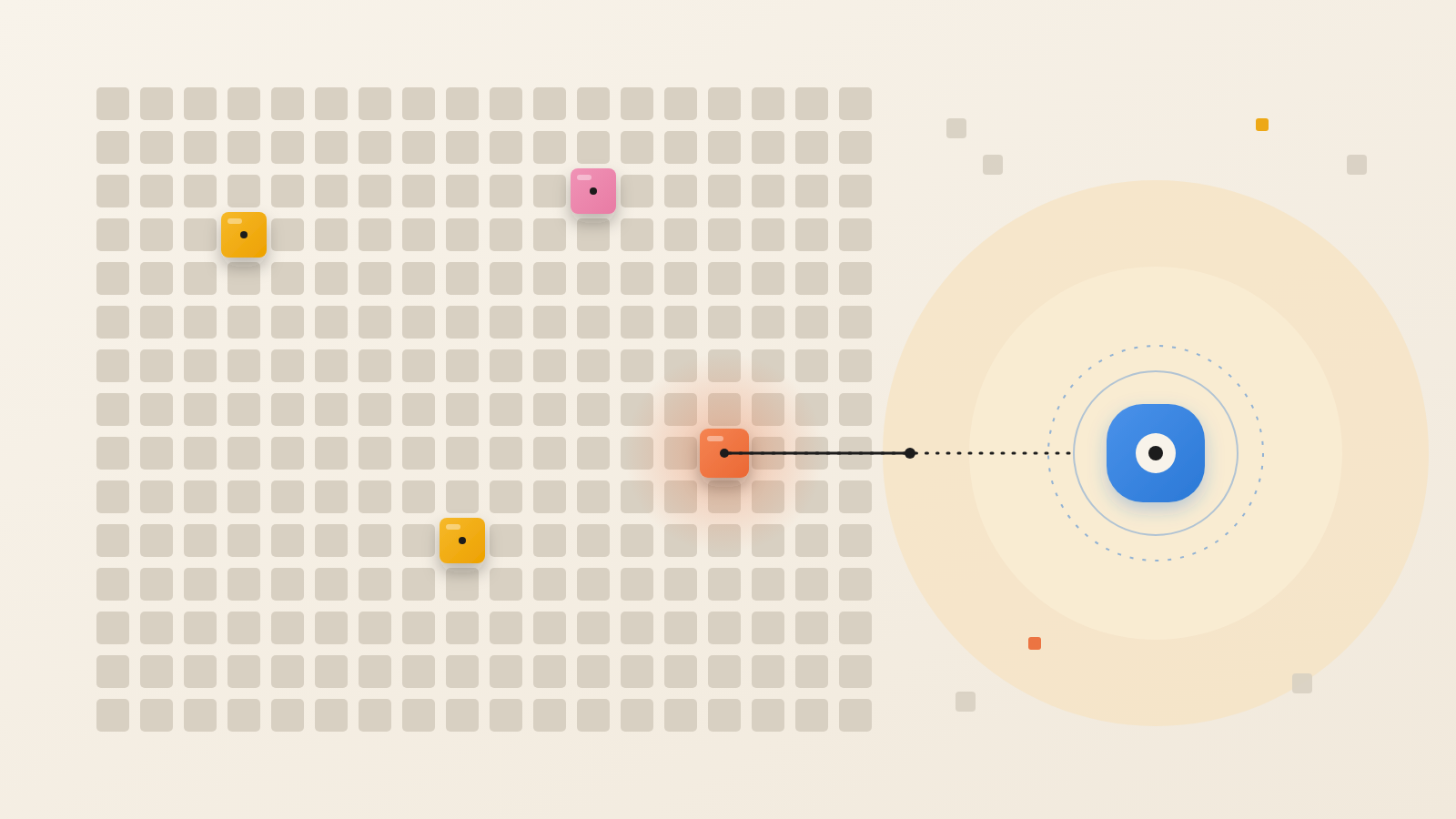
The team noticed a mismatch. It was running git as a central system with one authoritative copy. Yet nearly all its clients were agents and automated jobs, which are connected to the network by definition.
Git's offline strength was therefore a cost with no benefit. Every client carried data it rarely needed. The question Anthropic asked was what source control looks like if you assume the client is a machine that is online.
How Scion works
In Scion, the server does the work. Commits, merges and rebases happen on the server, so there is nothing to push. The client keeps a small local cache and lays out files on disk.
Each change is stored as a "changeset" in a write-ahead log, an append-only record. Questions such as who last changed a line are answered by the server and exposed through an API. Many jobs therefore do not need a local copy of the repository at all.
File contents are stored by a fingerprint of the content, so stored data does not change. That lets any cache serve it without checking with the others. Anthropic describes three tiers: a daemon on each machine, regional caches, and authoritative servers backed by Google's Spanner database. Clients request only the folders and files they need.
What Anthropic reports, and its limits
Anthropic says each cache tier holds a hit rate above 99%. It says Scion's footprint is 200 times smaller than the old mirror setup in CPU and memory. Jobs now fetch code about 100 times faster, in seconds instead of minutes. CI alone gained 25% in CPU capacity.
These figures are Anthropic's own. The post offers no independent measurement.
The company also calls its workload unusual and says it does not expect many organizations to hit these problems soon. This is one company's case, not a measured trend. Anthropic notes that Google's Piper and Meta's Sapling were prior art for huge monorepos.
Anthropic adds that Claude helped build Scion. It began the project at roughly the time two internal Claude releases, Claude Mythos Preview and Claude Tag, came into use. Those releases, it says, raised the need for Scion and sped up the build.
What leaders should ask
The wider argument is ours, not Anthropic's claim: AI multiplies the load on every system designed around a human at a keyboard. Source control is one example. Builds, test runs and access controls may be others.
Four questions are worth putting to engineering teams:
First, which internal tools assume a patient human, a full local copy or an offline worker? Second, where do waits show up today: merge queues, CI time or checkout time? Third, do automated jobs keep full copies of the repository to answer questions a server could answer? Fourth, who and what can read and write the code when most clients are machines? Anthropic says it built a source control access system alongside Scion.
At Anthropic, writing code got cheaper, and the systems that carry code to production now set the pace.
Produced by the WebPulse Newsroom with AI assistance from the original reporting credited below, and checked against that source by our editorial review. How we use AI.
Original reporting: Anthropic.