- OpenAI will add an invisible watermark to eligible ChatGPT and Codex text in the EU, to meet transparency rules in the AI Act.
- By OpenAI's own tests, editing weakens the signal sharply, and the detector will at first go only to approved researchers and expert organisations.
- Do not treat a missing watermark as proof of human authorship, and ask who in your organisation labels AI text published on public-interest matters.
A receipt that tears easily
Think of a tamper seal that only a few approved inspectors can read. It tells you something about where a product came from. It does not tell you what happened to it afterwards. OpenAI's new text watermark works in a similar way, and the company says so itself.
OpenAI will add an invisible watermark to eligible text from ChatGPT and Codex in the European Union, The Hindu reported on October 17. The rollout runs over the coming weeks and covers eligible users on all plans in the EU. It is not a global default at launch. Separately, API customers worldwide can opt in for select models from October 5.
The lesson for leaders is simple. A watermark makes AI text easier to trace. It does not make AI text easy to detect. Policies built on the second idea will fail.
Why the EU is asking for this
The push comes from the EU AI Act, in its Article 50(2). Providers of generative AI systems must make sure what their systems produce, text included, is marked so that software can read the mark. That lets others spot the content as machine-made or machine-altered. The Commission says the technical measures must be effective and reliable "as far as technically feasible". These duties have applied since August 2, 2026.
The law does not require a watermark specifically. A voluntary Code of Practice sets out ways to comply. OpenAI is one of six signatories to the Code's section on marking and detection, alongside Google, Anthropic, Meta, Microsoft and Mistral.
How the watermark works
OpenAI calls the method textGrain. It does not add hidden characters or special tokens. A token is a small chunk of text, often a word or part of one.
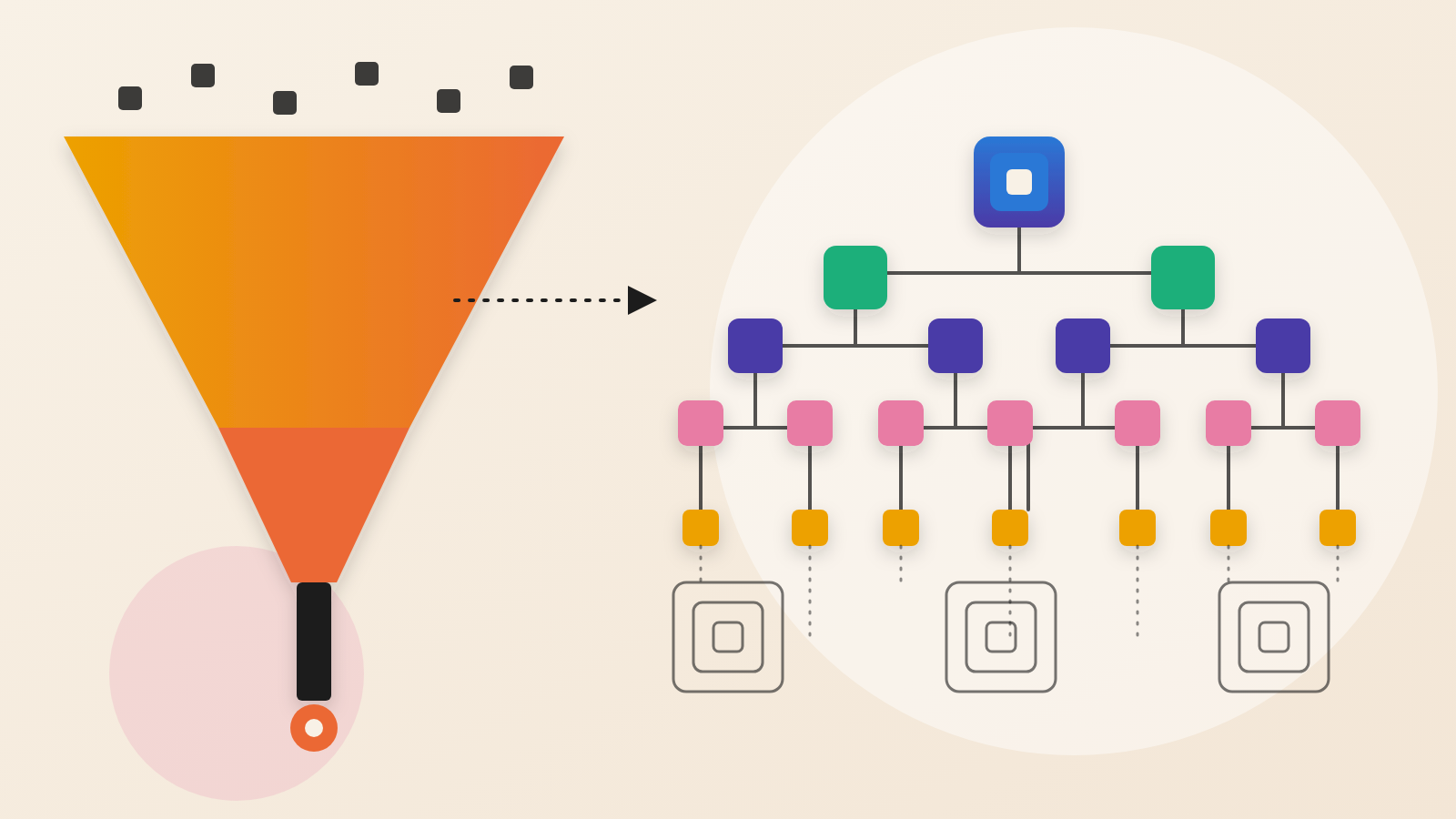
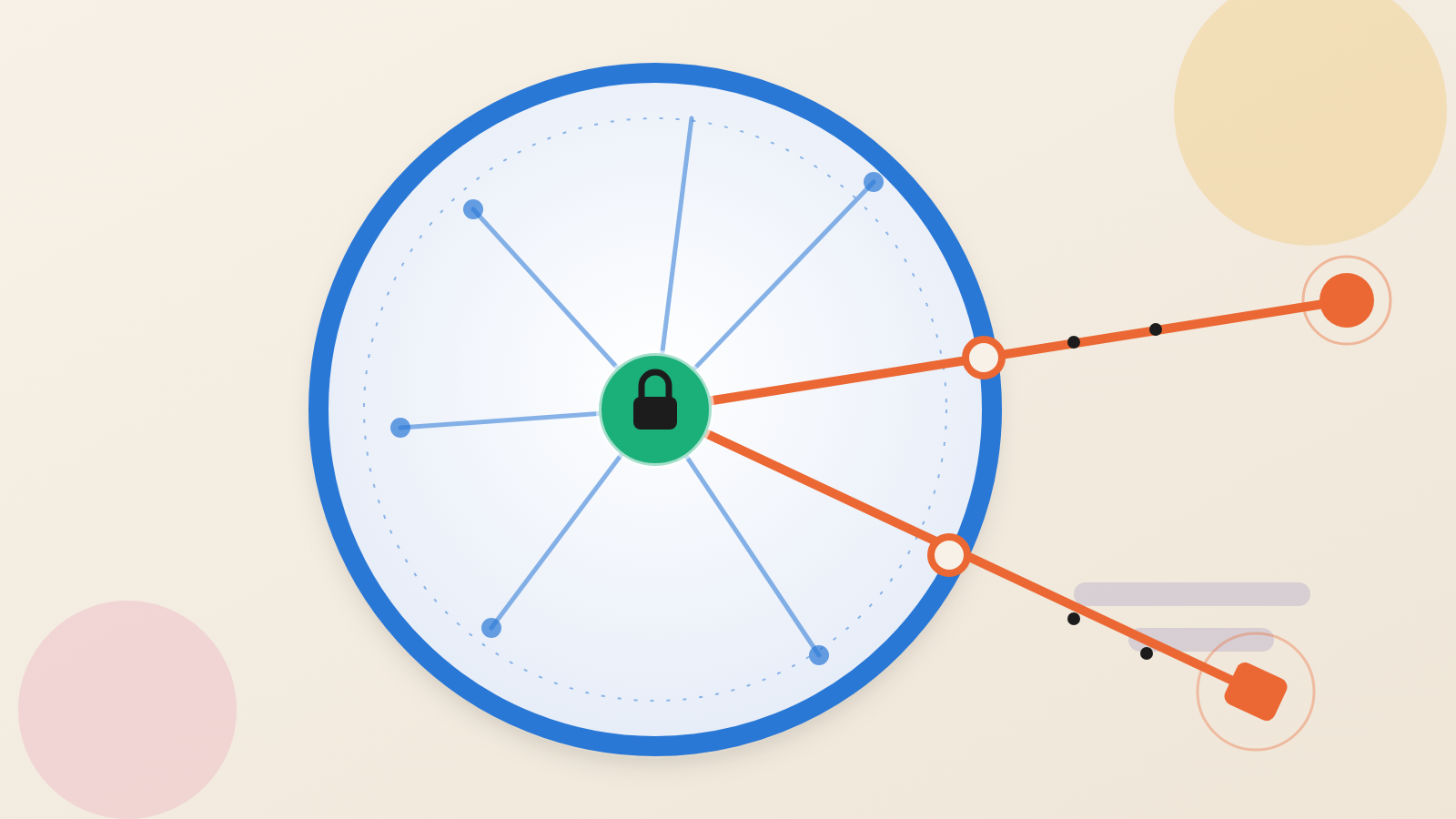
Instead, the model's word choices are nudged during writing. The nudge depends on a secret key and the words that came before. The result is a faint statistical pattern. A detector that holds the key can later test whether a text carries that pattern.
The method needs room to work. Where many wording choices are acceptable, the pattern is easy to build in. OpenAI reported that detection was substantially lower for mathematics, where wording is more fixed.
That figure was measured at a 1% false-positive target. In plain terms, about one in 100 unmarked texts would be wrongly flagged. For 200-token passages, detection was about 80%. Shorter text carries less signal.
Editing erodes the signal
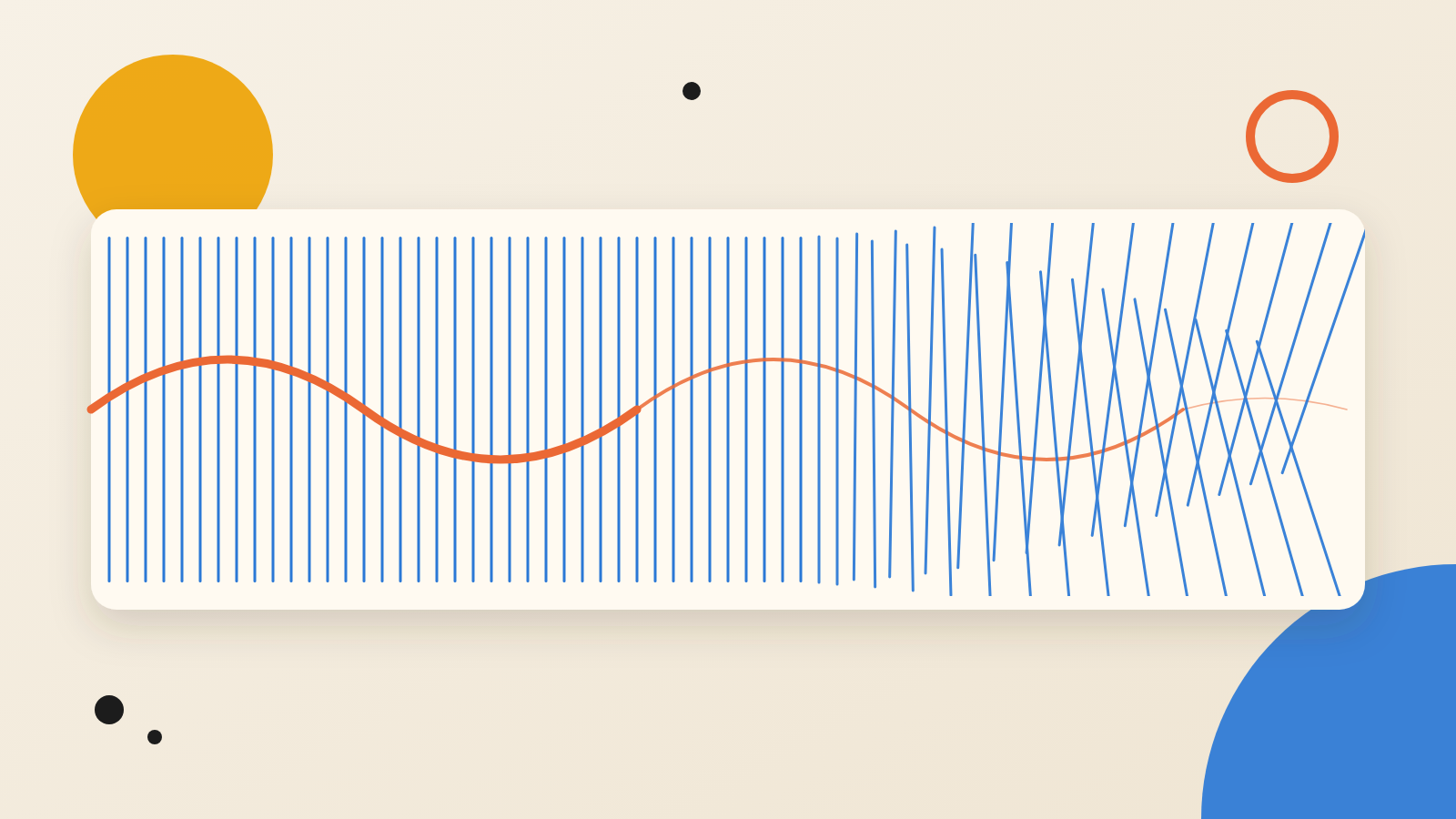
The harder test is what happens after a person touches the text. OpenAI evaluated 400-token passages with words swapped for synonyms. Replacing 10% of words cut detection from about 92% to 66%.
Most business writing is edited, translated or pasted into other documents. OpenAI lists these as reasons detection may fail. Others are very short text, an unsupported model, text that predates watermarking, and text from another AI system.
What a missing watermark does not mean
OpenAI is direct about the limits. A watermark cannot show how much human judgment went into a passage. It cannot show who generated it, who owns it or whether it is accurate. A blank result does not establish that a person wrote the text, because it could still be machine-written.
Access adds another limit. OpenAI will first restrict its detector to approved researchers and expert organisations. It says the detector will report only whether a watermark was found, without identifying the user or revealing prompts. So most companies cannot run the check themselves.
OpenAI plans to release textGrain as open-source technology. It also says no single provenance technique is enough. For images and audio, it already uses other tools, such as C2PA-based Content Credentials and SynthID.
What to ask your teams
First, check whether any policy treats "no watermark found" as proof of human authorship. Hiring, procurement and compliance reviews are places to look. OpenAI itself says a missing watermark does not establish that.
Second, ask who labels AI-generated text your organisation publishes. The EU rules also place a labelling duty on deployers. Where certain AI-generated or manipulated text is published to inform the public on matters of public interest, it must be clearly labelled. That duty is separate from the vendor's watermark.
Third, if you use the API, ask whether your models support the opt-in and whether you need it. Fourth, ask suppliers how they disclose AI use, since you cannot verify it yourself.
A watermark is a receipt from the vendor, not a lie detector for your inbox. Budget for disclosure and process, not for the hope of perfect detection.
Produced by the WebPulse Newsroom with AI assistance from the original reporting credited below, and checked against that source by our editorial review. How we use AI.
Original reporting: The Hindu.