- The Hindu reports that Meta, NVIDIA, Mistral AI and Reflection AI released or announced open-weight models in October, aiming to attract developers and build ecosystems.
- Hardware, upkeep and licensing still cost money when you self-host, The Hindu reports. In our view, misuse monitoring also falls to the user.
- Before approving self-hosted models, ask who runs them, under what licence, at what total cost, and who watches for misuse.
A free download is not a free product. The price has not vanished. It has moved to whoever downloads the model. That is a useful way to read October's wave of AI releases.
What was released, and why
Several US and European firms put out open-weight AI models in October, The Hindu reports. Reflection AI published the weights for Beam on October 16. Meta released Muse Spark Open on October 15. NVIDIA released two Nemotron models the same day. France-based Mistral AI announced Timestral, a family built to forecast time-series data.
Why give away something so costly to build? The Hindu describes a race. Firms want developers on their side and a say in how AI gets used. They hope to earn from the services, businesses and computing built around the models. The model itself is not the product.
How open weights work
A model learns patterns during training. The result is a huge set of numbers called weights. They shape how the model turns a question into an answer.
With a proprietary model, the provider keeps the weights. You reach it through a website or an API, which lets software call a service. The provider sets the access rules and often charges for use.
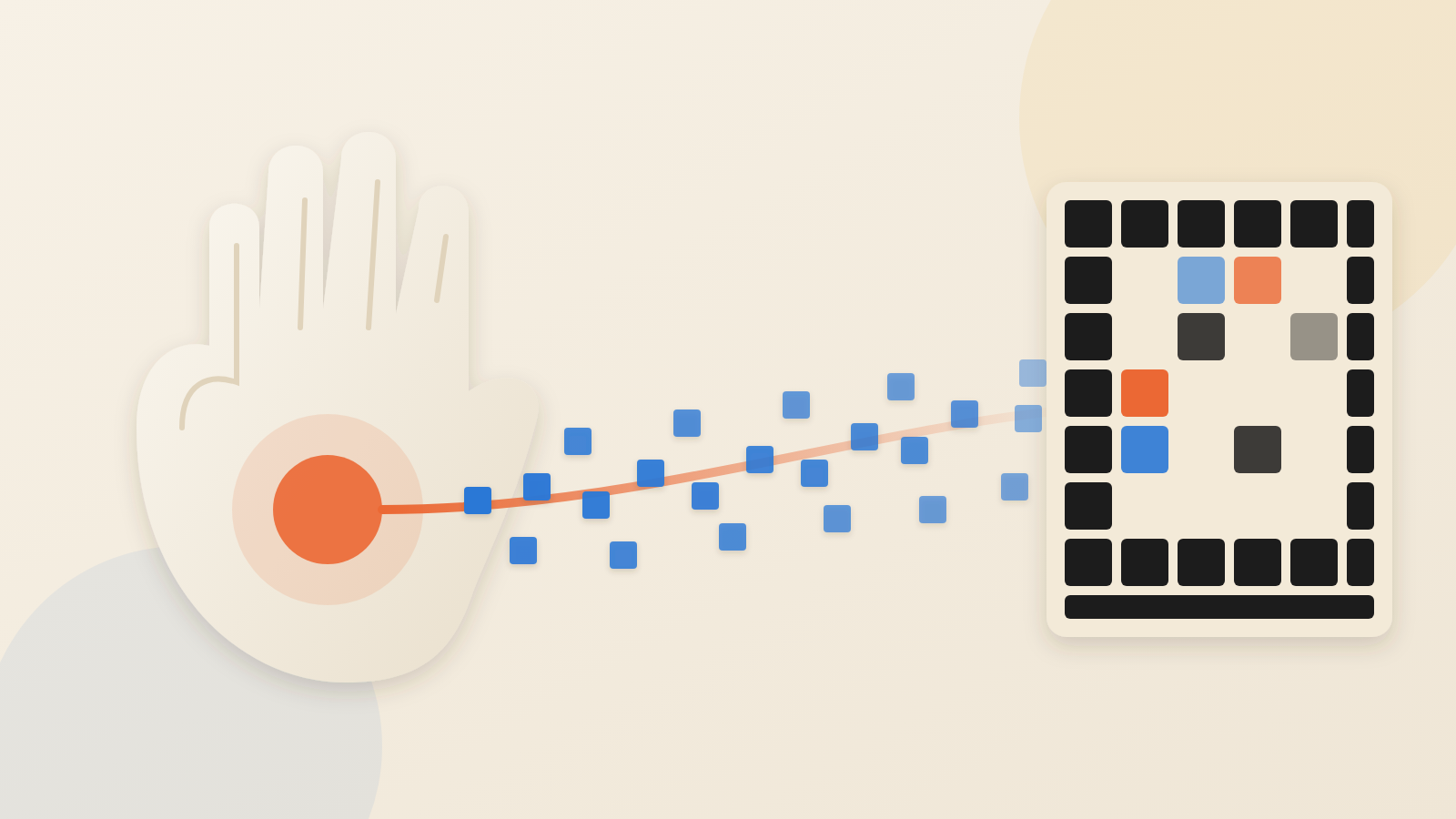
With an open-weight model, you download the weights. You can run them on your own machines, adapt them to a task, or build them into your product.
Be careful with the label. The Hindu points out that open-weight and open-source are not the same. A firm can share weights but keep its training code private. It may say little about its training data. Licences can also limit some uses.
Free for whom?
Each firm has its own bet. In a July 2024 essay, Meta chief executive Mark Zuckerberg said selling model access is not how Meta makes money. He compared Llama to Linux. A wider ecosystem of tools, he argued, would keep Meta from depending on rivals.
NVIDIA sells chips and software. If more people use AI, demand for computing may grow. But buyers can run open models on another company's hardware. The Hindu adds that NVIDIA's gain from any single release is not certain.
Mistral can sell paid hosting, support, tailored models and private deployments. Alibaba's Qwen models sit alongside its cloud services.
This shows the pattern. The weights are the free sample. The paid products sit around them. A company that runs the weights alone may never pay the creator. That is the creator's risk. It is also the buyer's opening.
The cost moves to your side
Skipping a licence fee does not make a model cheap. The Hindu lists the bills that remain: machines to run the model, people to maintain it, work to keep its performance up, and licence terms to honour. Its advice is to price self-hosting against a hosted service before choosing.
In our view, this decision belongs in the executive suite. A hosted service arrives as a single invoice. A self-run model spreads the same cost across servers, staff time and legal review. It is easy to notice the missing licence fee and overlook the rest.
Control also means responsibility
OpenAI makes a point about oversight. Access through an API lets a provider watch how a model is used and cut off access. Downloaded weights can run on their own, outside the original developer's reach. In a 2024 filing with a US agency, OpenAI also warned that users can alter models and strip out safeguards.
Dario Amodei, chief executive of Anthropic, sees public value in open-weight models. He also warns about releasing models with dangerous abilities. Misuse is harder to stop, and widely spread weights cannot easily be pulled back.
The lesson here is about who watches. With a hosted service, the vendor can see misuse and step in. With your own copy, nobody does unless you build that ability. The sources describe the original developer losing its power to intervene. Our reading is that the customer gains independence and inherits that duty.
Questions to put to your team
First, which models already run inside the company, and who approved them? Second, what licence does each carry, and does it limit your planned use? Third, what does self-hosting really cost, counting hardware, upkeep and staff time, against a hosted service?
Fourth, who monitors how a self-run model is used, and who can switch it off? Fifth, how does the company pick between models? The Hindu says developers weigh performance, cost, hardware needs and licensing.
The Hindu adds a point for Indian organisations. Open weights offer an alternative to relying only on foreign AI services. Models can be adapted to Indian languages. It names Sarvam AI, AI4Bharat at IIT Madras and BharatGen as local efforts.
A free download is an invitation, not a gift. Read the terms before you accept it.
Produced by the WebPulse Newsroom with AI assistance from the original reporting credited below, and checked against that source by our editorial review. How we use AI.
Original reporting: The Hindu.