- Microsoft Security says frontier AI is raising patch volumes for on-premises software, with September 2026 Patch Tuesday a record at close to 1,000 vulnerabilities.
- Microsoft argues the hard part is now triage and safe patching, not discovery, and suggests fixing critical systems within 24 hours.
- Leaders should check patching capacity, weekend patch windows, code scanning and fallback controls. Microsoft's tool advice comes from a vendor.
Finding flaws is no longer the hard part
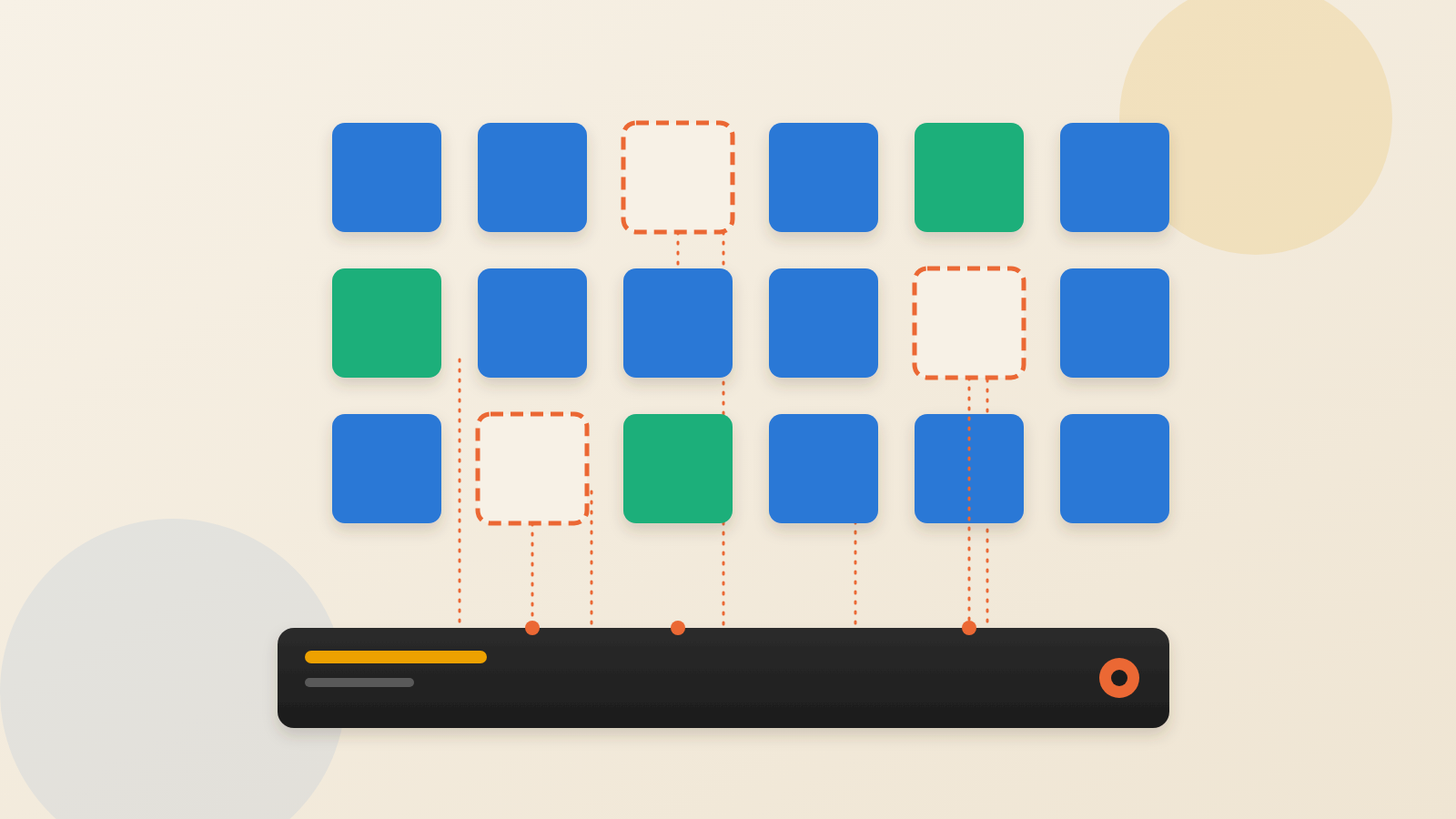
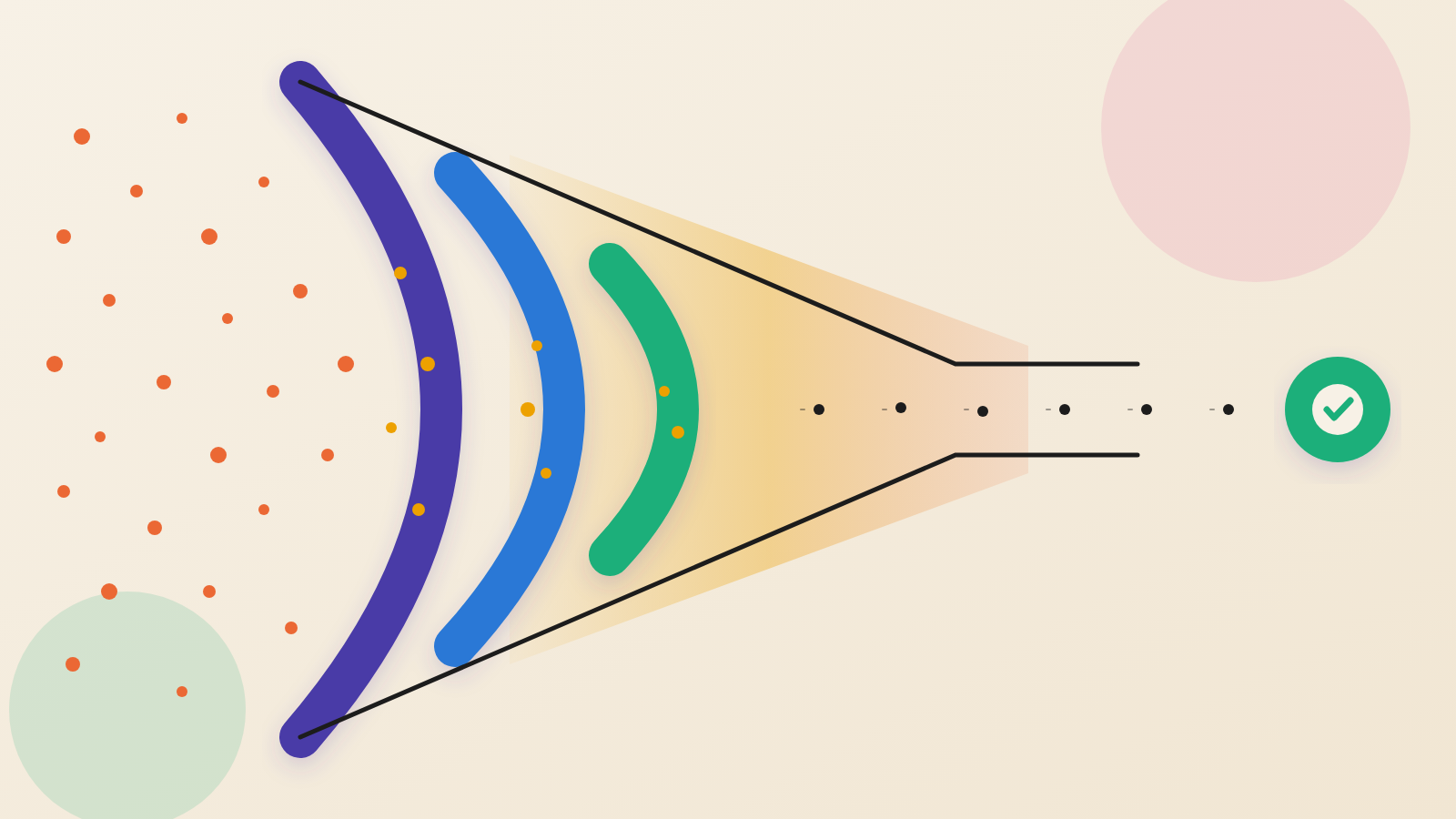
Microsoft's argument is that discovery is no longer the main constraint. The new constraint is how many flaws a team can sort, test and fix without breaking something else.
That is the case made in a CISO guidance post from Microsoft Security, published October 6. Microsoft says most writing on AI and vulnerabilities is about speed. It argues the harder question comes after the scan.
In the post, Microsoft says frontier AI models are about to give every security team far more findings than any has had to work through. The real test, it says, is balancing fast patching with correct patching at that scale.
The lesson here is that AI may be moving the pressure from discovery to judgment. Judgment is slower to scale than a scanner.
What Microsoft reported
Microsoft says it now uses frontier AI models to find flaws in its own code. Each potential flaw is reviewed for validity, severity and impact. Many steps in its handling and disclosure process are also AI-powered. That lets the process scale.
The result shows up in the monthly patch release. Customers who run Microsoft software on their own servers should expect far more fixes on Patch Tuesdays than before frontier models arrived earlier this year. September 2026 set a record at close to 1,000.
Cloud customers are in a different position. Microsoft says it fixes most cloud flaws without any customer action. The extra work lands on organizations that run Microsoft software in their own data centers.
How the scanning works, and why results vary
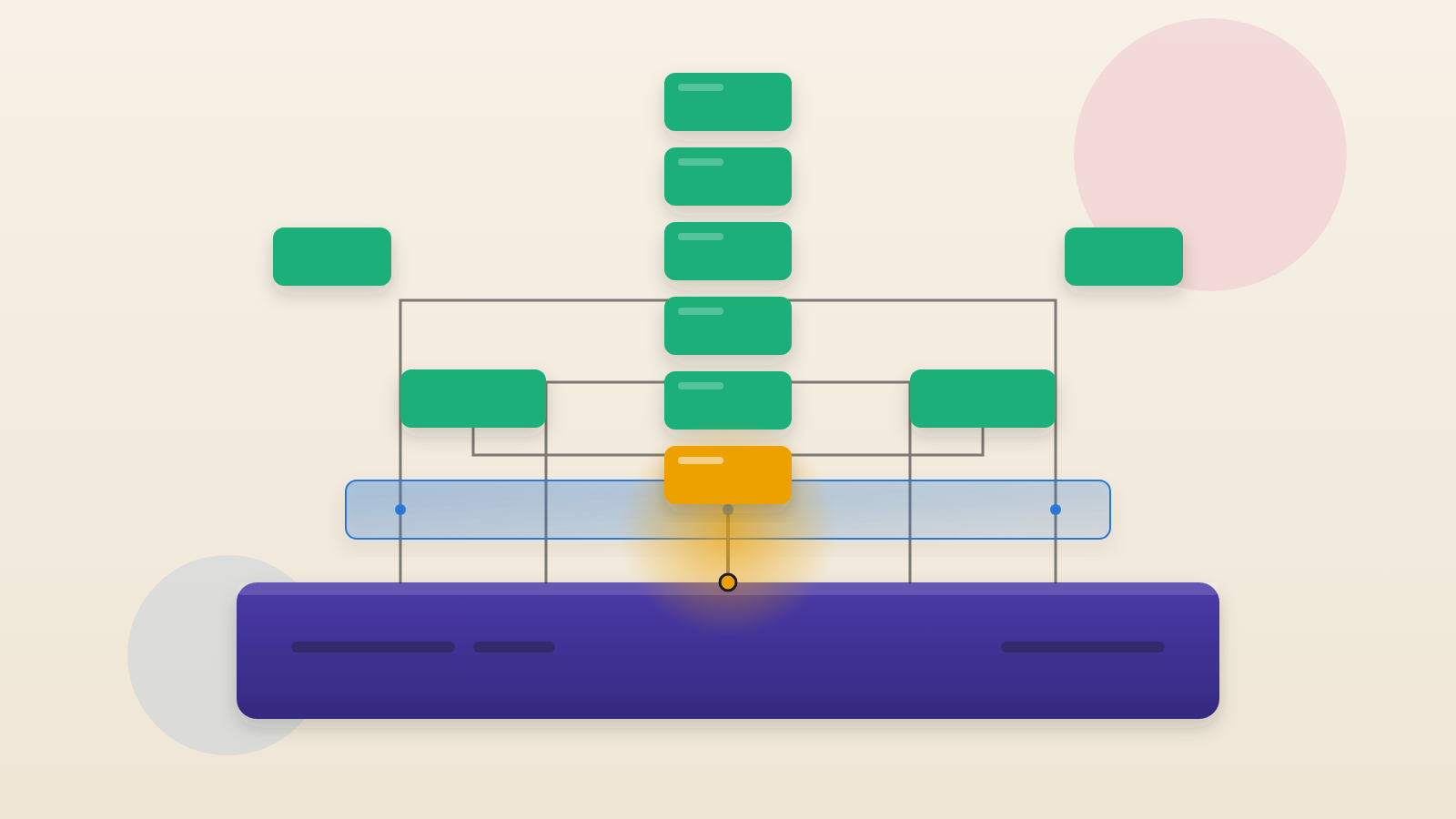
Microsoft describes a "harness": a layer of software around the AI model. The harness controls how the model reads code and checks its own output. It also passes findings into the team's triage and repair workflow.
This matters because AI models are non-deterministic. The same model can give different results on different runs. Different models can also disagree. So one scan is not a clean bill of health.
Microsoft says AI scanning should become part of standard security assurance. It should be repeated as models improve.
One of its harnesses, codenamed MDASH, is now available to customers. Microsoft also says its internal red teams, which play the role of attackers, now use AI.
The weekend patch window is under question
Microsoft's most concrete advice is about timing. Teams have usually patched domain controllers and edge devices when downtime hurts least. That means weekends or holidays.
Microsoft says that trade-off may need to change. AI is shortening the gap between a patch's release and its exploitation.
This is Microsoft's recommendation, not a measured industry standard. The post gives no data on how much exploitation has sped up. Each organization must weigh the risk of a rushed patch against the risk of waiting.
When patching cannot keep up
Microsoft concedes that not every flaw will be patched in time. So it stresses controls that limit an attacker's reach, a layered approach called defense in depth.
It points customers to Microsoft Baseline Security Mode. The tool helps apply and monitor secure settings at scale. Microsoft says existing customers get it within their current license.
Note the source. This is a vendor post, and it recommends the vendor's own tool. The reasoning about triage stands on its own. The product advice deserves an independent check.
Microsoft also describes work with industry peers to scan and patch key open-source components before attackers find flaws in them. It says many open-source maintainers lack the tools or resources to respond quickly. That raises supply chain risk for any company that depends on their code.
Questions to put to your team
First, does the team that patches on-premises Microsoft software have the staff and budget for a lasting rise in volume? Microsoft advises more resources for patching, prioritization and timing.
Second, which systems would justify a 24-hour patch? Is there a tested way to deploy that fast? Domain controllers and edge devices are Microsoft's examples.
Third, is anyone running AI-assisted scans of your own code? Microsoft says not to wait for frontier model access. It also says to budget for tokens and for the people who triage the results.
Fourth, if a patch arrives late, which controls limit the damage? Someone should be able to show they are switched on.
More findings do not make a company safer by themselves. The organizations that fare best will be those that can decide quickly what to fix first.
Produced by the WebPulse Newsroom with AI assistance from the original reporting credited below, and checked against that source by our editorial review. How we use AI.
Original reporting: Microsoft Security.