- On July 7, 2026, CISA added CVE-2026-48282, a maximum-severity Adobe ColdFusion flaw, to its exploited-vulnerabilities catalog, triggering the 3-day federal patch deadline under its new directive BOD 26-04.
- WebPulse says closed platforms like ColdFusion give off none of the open-source signals its tools track, so they show up in security data mainly after an incident or a federal directive.
- Organizations running closed commercial platforms, including those outside CISA's mandate, should check whether their monitoring can see those platforms between incidents, not just whether one patch gets applied.
A New Directive's Harshest Tier
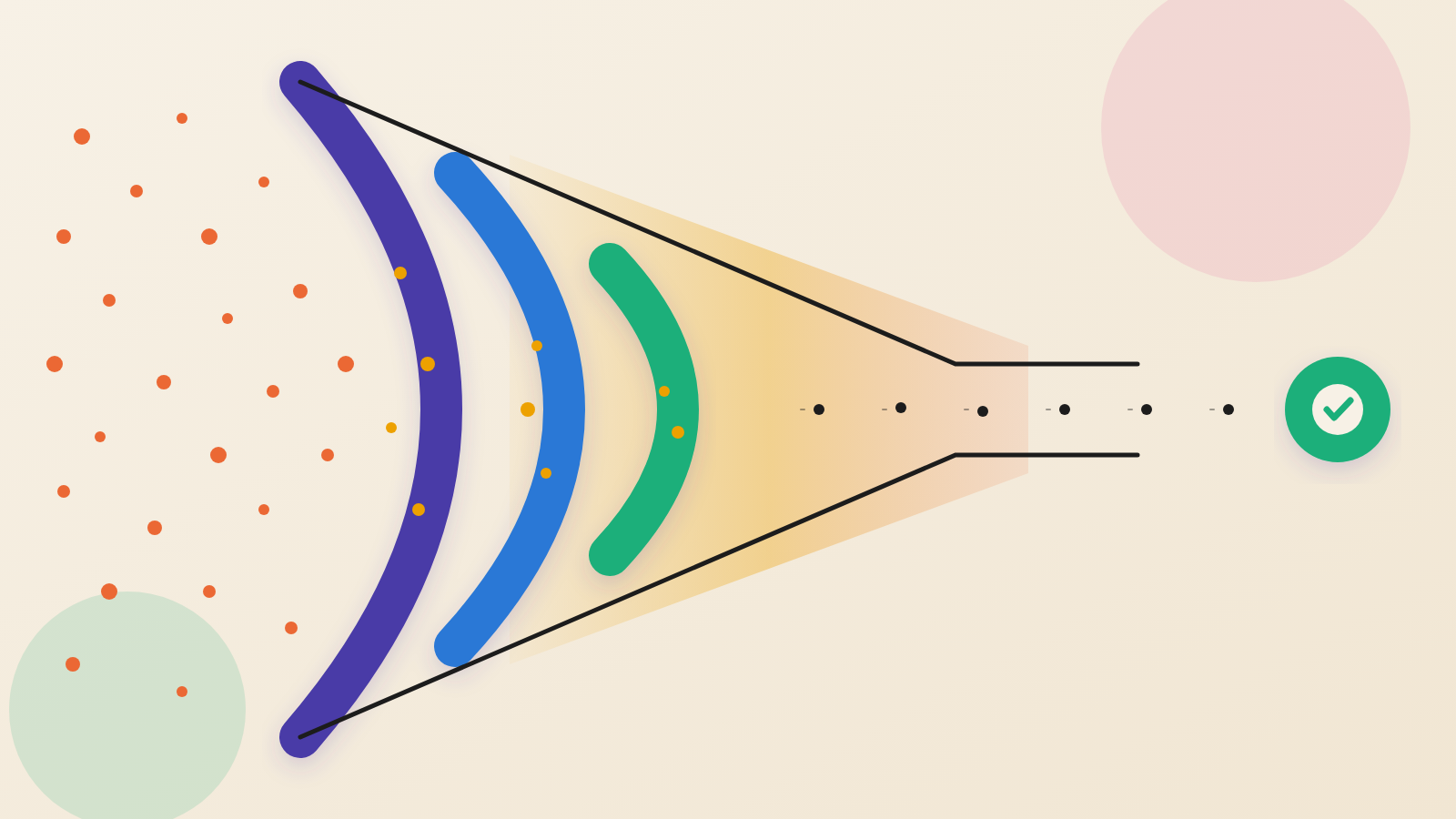
On July 7, 2026, CISA added CVE-2026-48282 — a maximum-severity path traversal and remote code execution flaw in Adobe ColdFusion — to its Known Exploited Vulnerabilities catalog. That addition triggered the top tier of Binding Operational Directive 26-04, a new standing framework CISA issued on June 10, 2026 to replace its older, case-by-case Emergency Directive program (retired in January 2026 after issuing only 10 directives since 2019). Under BOD 26-04, any KEV entry that meets four criteria — confirmed exploitation, public exposure, automatable, and total control — gets a mandatory 3-day remediation window for federal civilian agencies. CVE-2026-48282 met all four.
The Platform Most Dashboards Never Flag
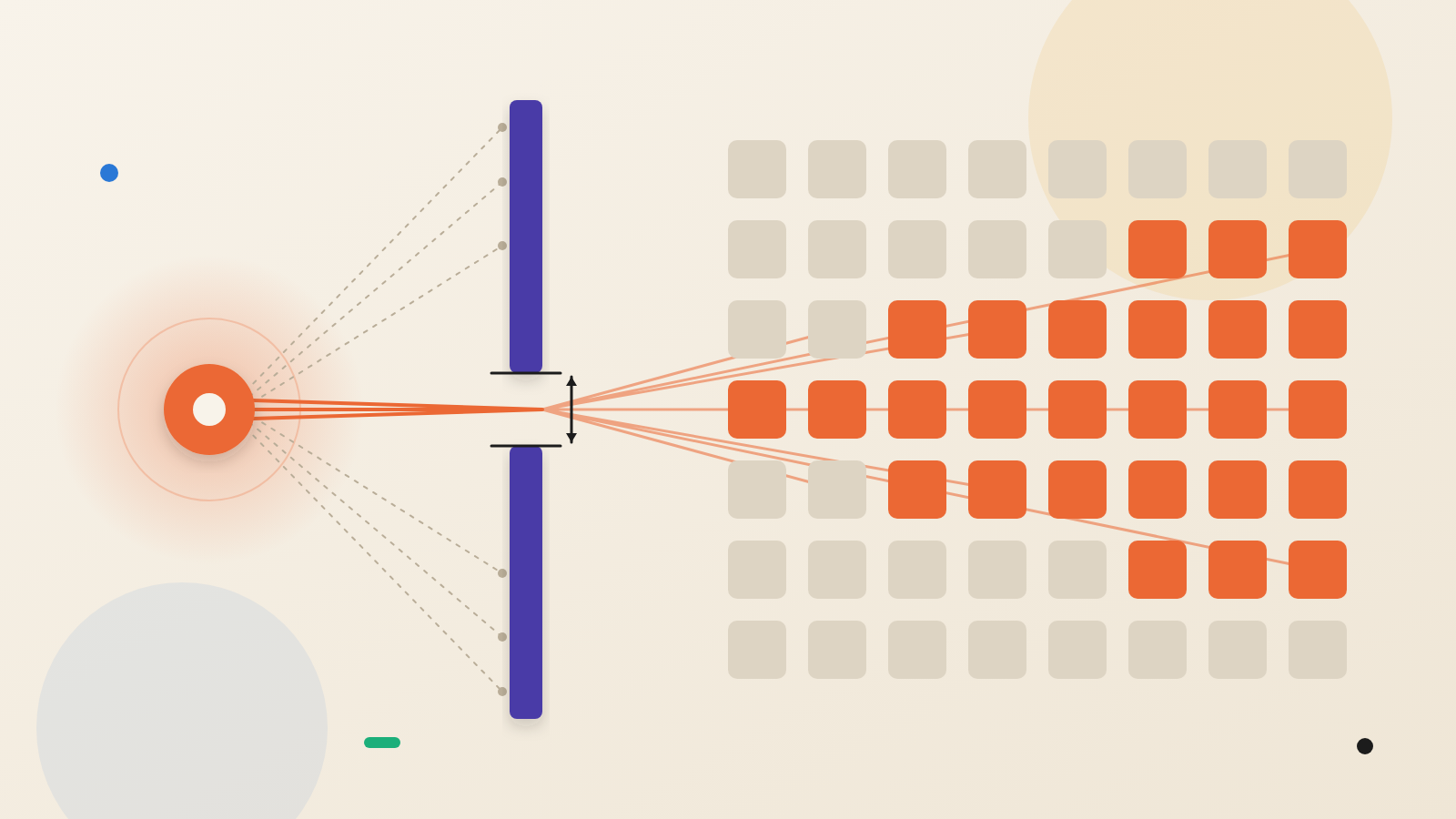
ColdFusion sits outside the framework ecosystem that WebPulse and comparable open telemetry tools track by default. It has no public GitHub repository, no open contributor graph, no release changelog visible to outside scanners. WebPulse's own detection layer, built to fingerprint 30 frameworks across a sample of 466,000+ scanned sites, reads open-source signals — commit activity, release cadence, dependency manifests — as proxies for a platform's health. Closed, licensed platforms like ColdFusion do not emit those signals. They surface in intelligence data almost exclusively through incident response: CVE disclosures, KEV catalog entries, and now, the automatic triggers of a standing federal directive.
Open vs. Closed Telemetry
WebPulse's framework threat data shows what continuous monitoring looks like on the open-source side: WordPress-ecosystem CVEs (core, plugins, and hosting tools combined) account for 4 entries in the CISA KEV catalog, each with documented patch timelines, public disclosure histories, and machine-readable severity data. WordPress is exhaustively documented — its vulnerability history and patch cadence are visible to any scanning tool in near real time. ColdFusion's equivalent history is comparatively opaque, tracked mainly through vendor advisories and federal directives rather than open vulnerability telemetry.
Both categories end up in the same place: production infrastructure carrying actively exploited flaws. But one category is visible to continuous monitoring between incidents. The other surfaces only when something has already gone wrong — or when a federal directive forces disclosure into the open.
Why This Extends Past Government Networks
BOD 26-04's remediation deadlines apply to federal civilian executive branch agencies under the directive's authority. But the underlying exposure is not government-specific. Adobe ColdFusion still runs production applications across healthcare portals, financial back offices, and state and municipal systems that fall outside CISA's direct mandate and outside the open scanning coverage that flags exposure on frameworks like WordPress or Next.js in near real time.
The directive itself is a 3-day patch order for a specific CVE. The pattern behind it — infrastructure running on platforms that only appear in security data after something has already gone wrong — is the part worth tracking on a longer clock. For organizations running closed commercial platforms, the question BOD 26-04 raises is not whether a specific patch gets applied by Friday. It is whether their monitoring infrastructure can see these platforms at all between the incidents that force them into public view.
Written by the WebPulse Newsroom with AI assistance, and checked by our editorial review: every quotation was verified against the recording's transcript. How we use AI.
Conversations this essay draws on