- Crescendo AI reports the Model Context Protocol (MCP) passed 97 million installs by March 2026, and the article says Anthropic, OpenAI, Google and Microsoft all ship MCP-compatible tools.
- The article argues businesses without MCP interfaces are invisible to AI agents, while agentic web traffic grew 7,851% year over year, according to HUMAN Security in April 2026.
- WebPulse's analysis says modern frameworks can add MCP support in hours, while legacy CMS sites like WordPress need months, so executives should decide how fast to adopt.
97 Million Installs and Counting
Model Context Protocol (MCP) has crossed 97 million installs as of March 2026. What started as Anthropic's open protocol for connecting AI models to external tools has become the de facto standard for agent-to-tool communication across the entire AI ecosystem.
The install count reflects adoption across Claude Code, VS Code extensions, JetBrains plugins, standalone MCP servers, and enterprise tooling. Every major AI provider — Anthropic, OpenAI, Google, Microsoft — now ships MCP-compatible interfaces. The protocol has achieved the network effect that turns an open standard into essential infrastructure.
The TCP/IP of Agent Communication
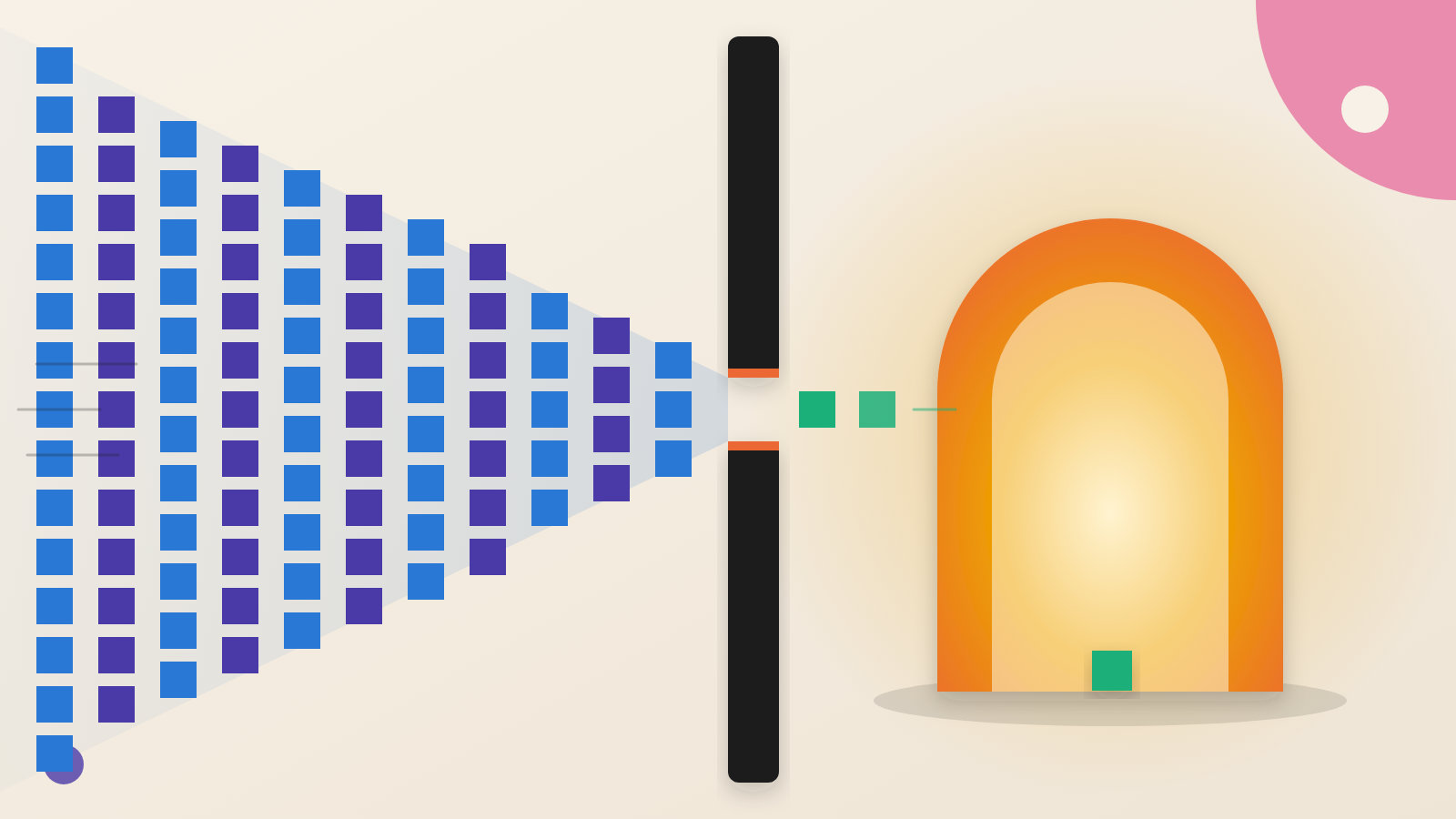
MCP serves the same function for AI agents that TCP/IP serves for internet communication: it provides the standardized protocol layer that allows any agent to communicate with any tool. Before MCP, every AI model required custom integrations for every data source, API, and web service. Each integration was bespoke, fragile, and expensive to maintain.
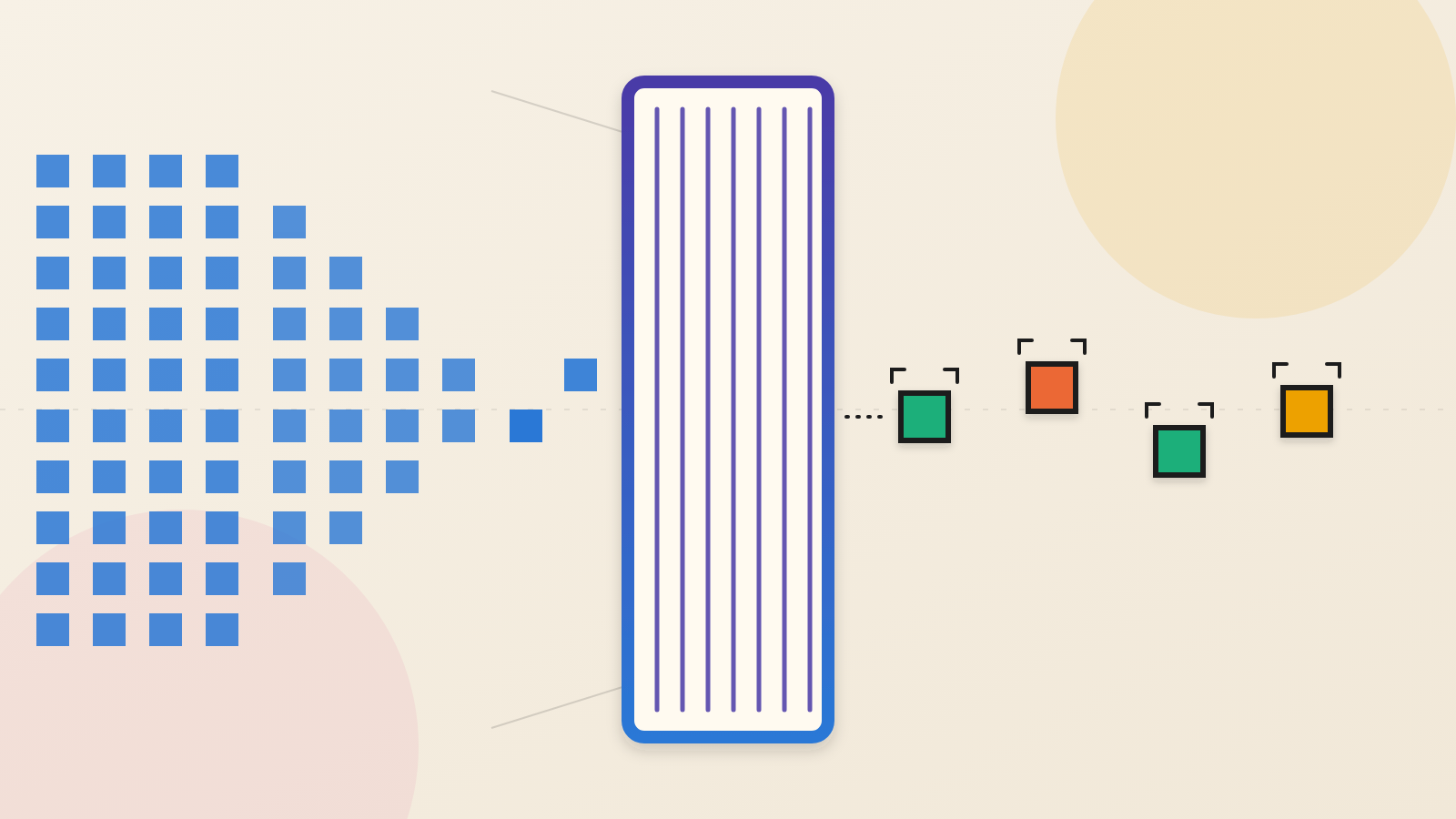
MCP replaces this with a standard interface. An MCP server exposes a set of tools with typed inputs and outputs. Any MCP-compatible client — Claude, GPT, Gemini, or any other model — can discover these tools, understand their parameters, and invoke them correctly. The protocol handles authentication, capability negotiation, and response formatting.
The Visibility Threshold
At 97 million installs, MCP has crossed the threshold where not supporting it creates a visibility problem. AI agents increasingly discover and interact with web services through MCP tool registries. A business that exposes its API through an MCP server appears in agent tool discovery. A business that does not is invisible to the fastest-growing category of web traffic.
This is analogous to the early web's SEO moment. In 2005, businesses without web presence were invisible to search engines. In 2026, businesses without MCP-compatible interfaces are invisible to AI agents. The traffic patterns have shifted. The protocol has been decided. The only question is adoption speed.
Framework Implications Are Binary
Modern frameworks have a clear path to MCP compatibility. FastAPI applications can expose their typed endpoints as MCP tools with minimal wrapper code. Next.js API routes map cleanly to MCP tool definitions. Django REST Framework serializers translate directly into MCP parameter schemas. The typed, structured nature of modern framework APIs makes MCP adoption a configuration task, not an architecture change.
Legacy frameworks face a fundamentally different challenge. A WordPress site with 47 plugins, custom shortcodes, and server-rendered HTML has no typed API surface to expose. Building MCP compatibility on top of a legacy CMS requires constructing an entirely new API layer — effectively building the modern framework integration that the CMS was supposed to make unnecessary.
The cost calculus is stark. For a modern framework, adding MCP support is measured in hours. For a legacy CMS, it is measured in months. And during those months, the site remains invisible to the 97 million MCP clients already installed and the agents they power.
Enterprise Adoption Is Accelerating
Enterprise adoption of MCP has moved beyond developer tooling into production infrastructure. Financial services firms use MCP to expose trading APIs to AI compliance agents. Healthcare organizations use MCP to connect diagnostic models to patient record systems. E-commerce platforms use MCP to let AI shopping agents access inventory, pricing, and fulfillment data in real time.
Each of these enterprise use cases reinforces the same pattern: MCP-compatible interfaces receive agent traffic. Non-MCP interfaces do not. The protocol layer is now the gateway between AI capabilities and business operations.
The Standard Is Set
At 97 million installs, MCP is past the point of competition from alternative protocols. The network effect is self-reinforcing: more MCP servers attract more MCP clients, which attract more MCP servers. This is the same dynamic that established HTTP, TCP/IP, and USB as standards. The protocol war, if there ever was one, is over.
For executives making framework decisions, the question is no longer which protocol to support. It is how quickly their web properties can expose MCP-compatible interfaces. Every day without MCP support is a day invisible to the agent web — and the agent web is growing at 7,851% year over year.
Produced by the WebPulse Newsroom with AI assistance and checked against our data by our editorial review. How we use AI.