- Viren Baraiya argued that an AI model should only plan what happens next, while fixed code decides how each step is done.
- He said approval gates and recorded side effects belong in that code, so a model's guess cannot skip them.
Viren Baraiya argues that a production AI agent should only plan. He co-founded Orkes, where he is CTO, and he first built Netflix Conductor. On the AI Engineer show, he said the model should choose what happens next. Plain, predictable code should choose how it happens. In his view, this split keeps a model's mistakes away from the systems that matter.
What was said
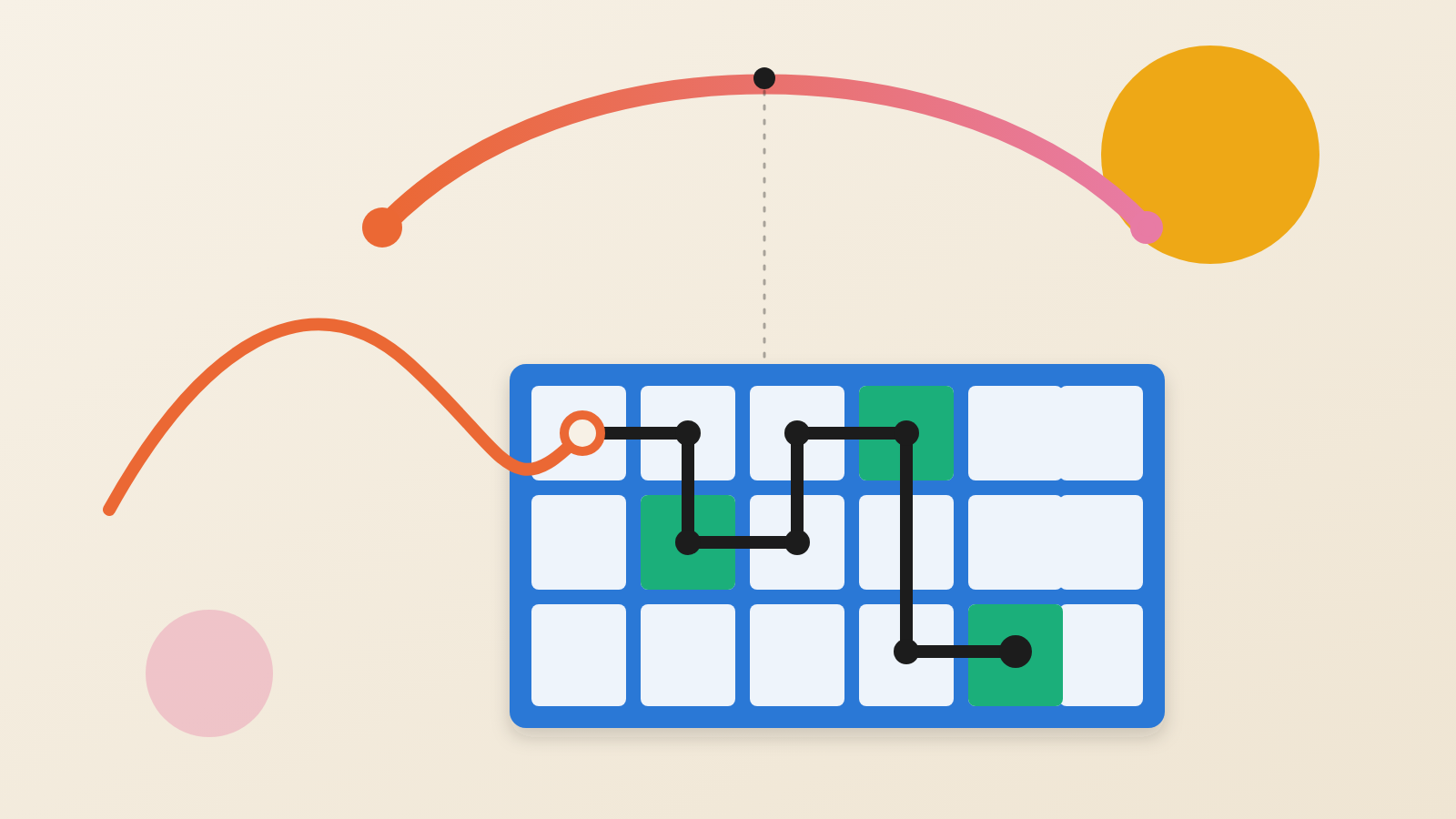
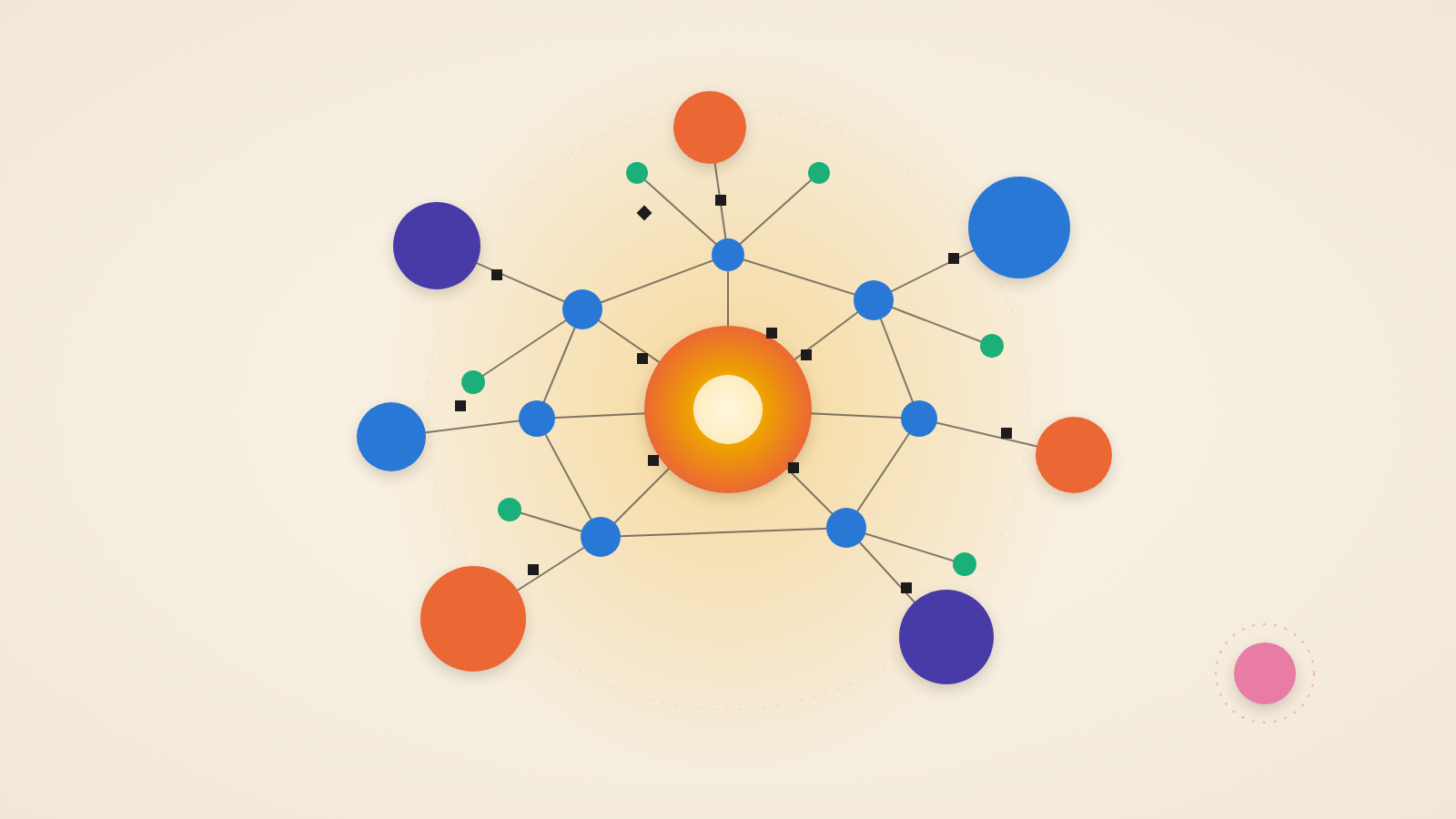
Baraiya calls the two halves the brain and the hands. The language model is the brain. The harness is the hands. That is the software wrapped around the model that carries out the work. He gave an example from operations. Say an agent watches a Kubernetes setup. Kubernetes is software that manages groups of servers. The agent sees an unhealthy cluster and says it needs a restart. Fixed code then works out the restart steps. Those steps never vary, so every cluster is handled alike. He also wants a human to approve a production restart, for example through a Slack message. He said: "I do not want this to be left to a hallucination by an LLM that it doesn't need to do it." Steps should be safe to run twice. If they are not, the harness should record what changed. His summary: "the responsibility of a non-deterministic agent is to plan, is to plan what should happen next, not really to do things." He likened agents to sagas, older workflows with fixed steps. The difference is that the agent builds its steps as it goes, from a limited toolbox.
Why it matters
Our reading: this gives managers a concrete test for agent risk. An agent that acts directly turns one wrong guess into a wrong action. An agent that only plans passes that guess to code. The code can check it, pause for approval and keep a log. Baraiya also said the harness must survive failures. He called that the price of entry, not a selling point. When you build or buy an agent, ask who owns the "how". Ask where the approval step sits. Ask whether side effects, such as a restart or a sent email, are recorded.
The other side
Baraiya said the idea is not new. Fixed workflows have existed for years. Agents mainly let the plan be built later. The design also leans on people. Someone must build and maintain the limited set of tools the code can run. A human must answer the approval message. The excerpts do not say how a bad plan is caught beyond that step. He added that an agent may plan one step or several at a time, depending on its planning range. The excerpts end before he finishes that point.
Written by the WebPulse Newsroom with AI assistance, and checked by our editorial review: every quotation was verified against the recording's transcript. How we use AI.
The conversation this talking point comes from
- AI Engineer: Brains vs Hands: How to Run AI Agents Safely in Production — Viren Baraiya (2026-10-08)