- Gabriel Martinez of G2i argued that AI makes code cheap to produce, while the costly work of judging it falls to reviewers.
- He said the generator can skip decisions without noticing, and the reviewer must find and remake them.
Gabriel Martinez, an engineering manager at G2i, argues that AI does not remove the work of building software. On the AI Engineer show, he said that work moves to reviewers. In his telling, generating code is cheap and judging it is costly. He argues the bill lands on whoever did not write it.
What was said
Martinez calls the problem slop. He defines it as polished-looking output whose reasoning has not been done. He stressed that this is not the same as code written by an AI.
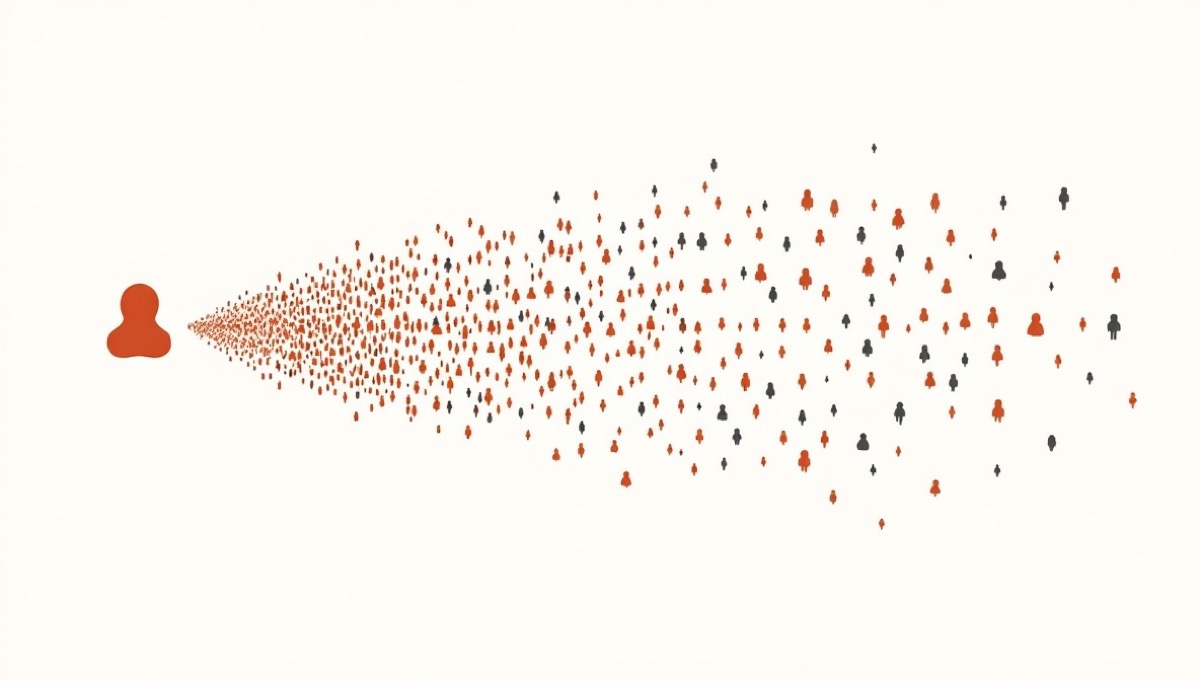
His mechanism is about hidden decisions. A vague task contains choices. Someone using AI can fill each gap with a guess and never see that a choice existed. In his words: "The danger is that the engineer never noticed that there was a choice to make."
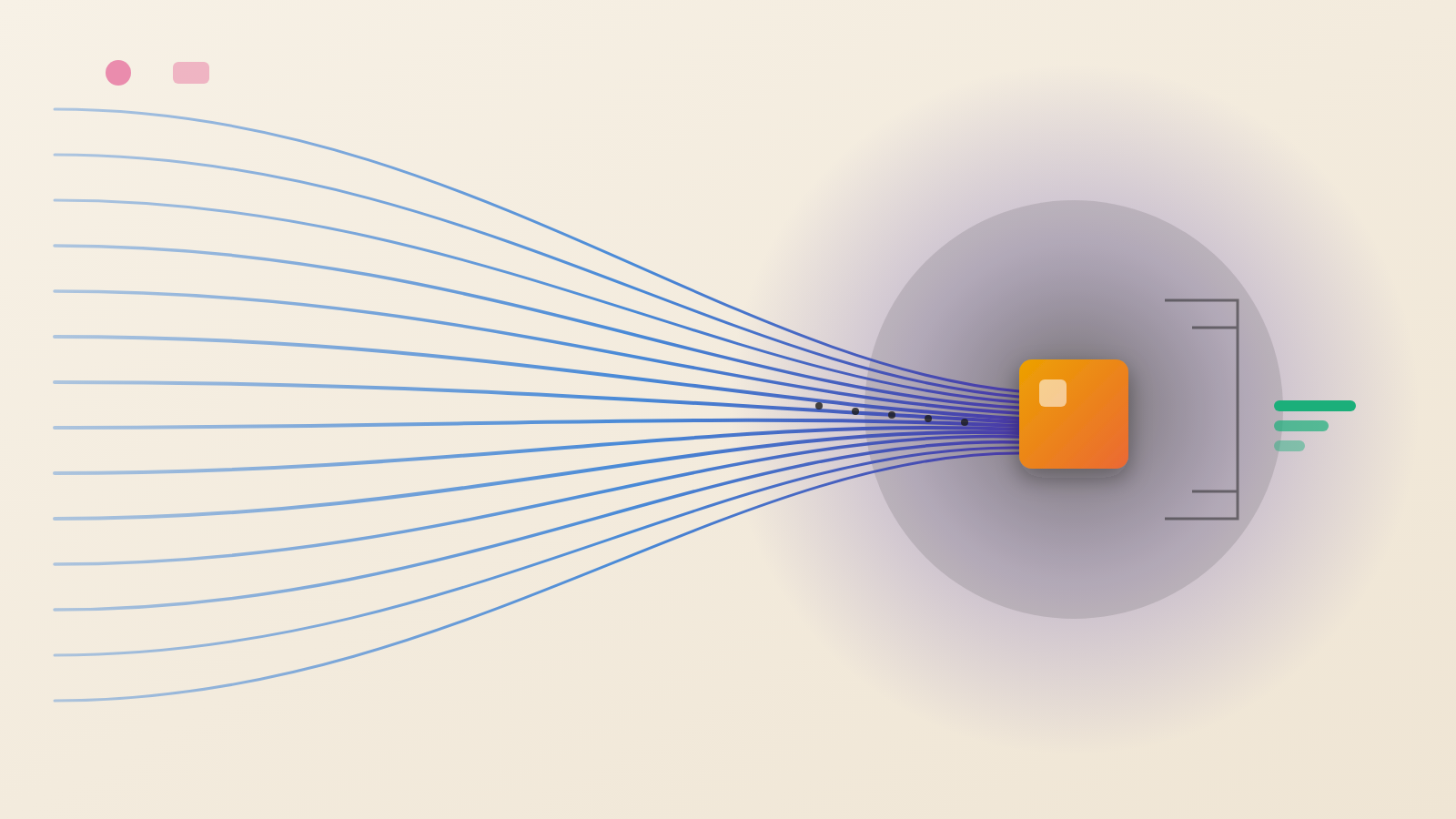
The reviewer inherits those choices. Martinez said someone must read the code, test how it behaves, weigh the trade-offs, spot missing requirements, and decide whether the change belongs in the system. His example: ten bullets of scope came back as a 20-page document, and checking it for real thinking took hours. His summary: "Generation is cheap, but evaluation is expensive." Output beyond what people can evaluate, he said, creates a bottleneck.
Why it matters
Our reading: a team that counts lines written or tokens spent is measuring the cheap side. The costly side is human attention, and lines written or tokens spent do not measure it.
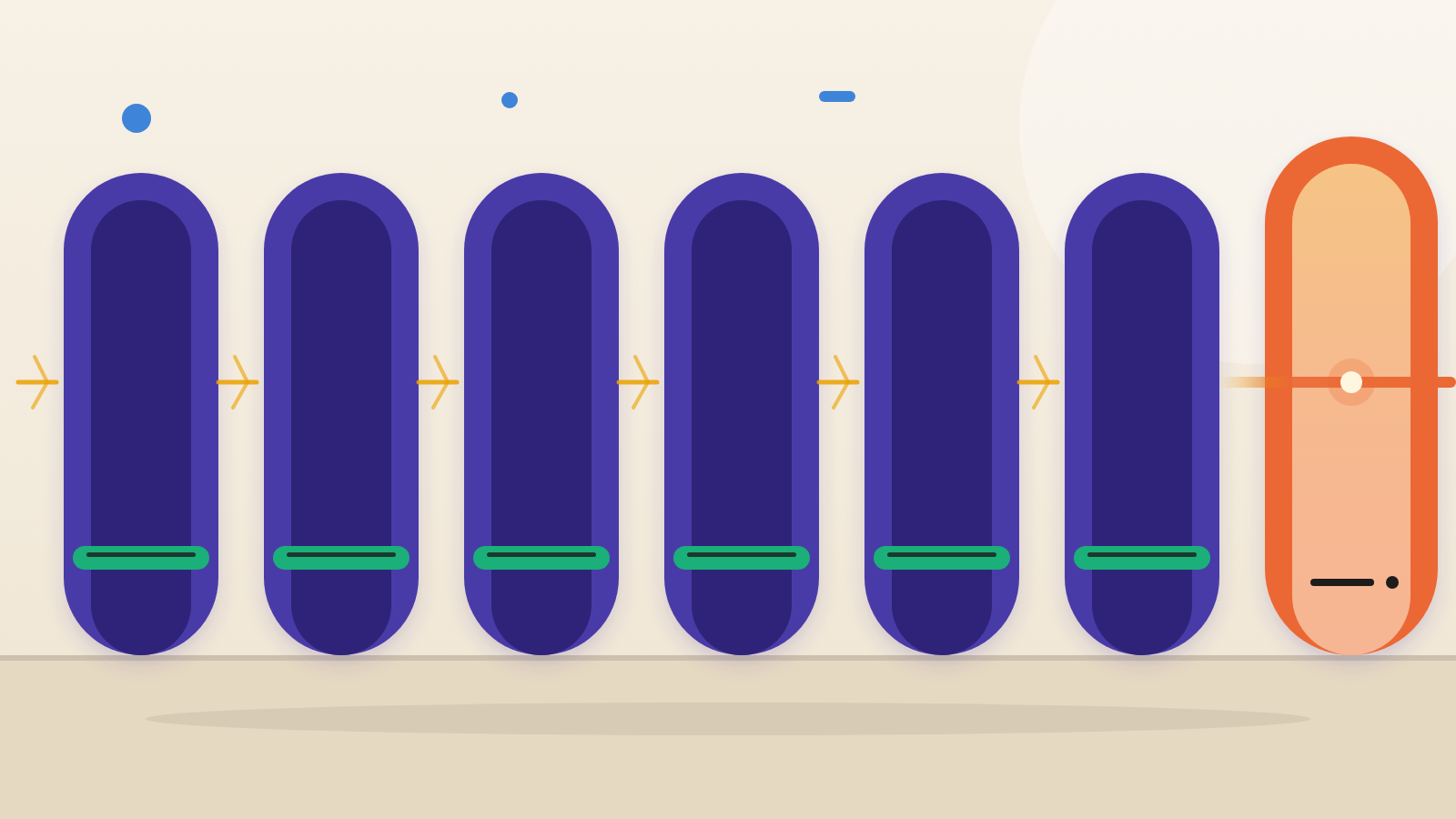
Martinez offered two remedies. Break work into small pieces a person can hold in their head. Give reviewers a compressed view of the system, such as diagrams of service boundaries, data flows and failure modes.
For a budget signer, three questions follow from his argument. How does the team measure review capacity, and is it planned alongside generation? Who owns code once it is merged? What is the largest change one person may submit for review?
The other side
Martinez said he is not anti-AI. He conceded that much implementation detail may eventually be hidden from humans, as it was when programmers moved from machine code to higher-level languages. But he argued that this abstraction does not excuse anyone from grasping how the whole system hangs together.
His evidence in these excerpts is experience, not measurement. He gave no data on how much review time AI adds. He also admitted that fast-merging colleagues once pushed him to merge code he had not reviewed as closely as he should. The excerpts do not show whether diagrams and small changes work at scale. Nor do they say how to stop careful engineers from looking slow beside careless ones.
Written by the WebPulse Newsroom with AI assistance, and checked by our editorial review: every quotation was verified against the recording's transcript. How we use AI.
The conversation this talking point comes from
- AI Engineer: Generation Is Cheap, Review Is Expensive: How to Stop Shipping AI Slop — Gabriel Martinez, G2i (2026-10-09)