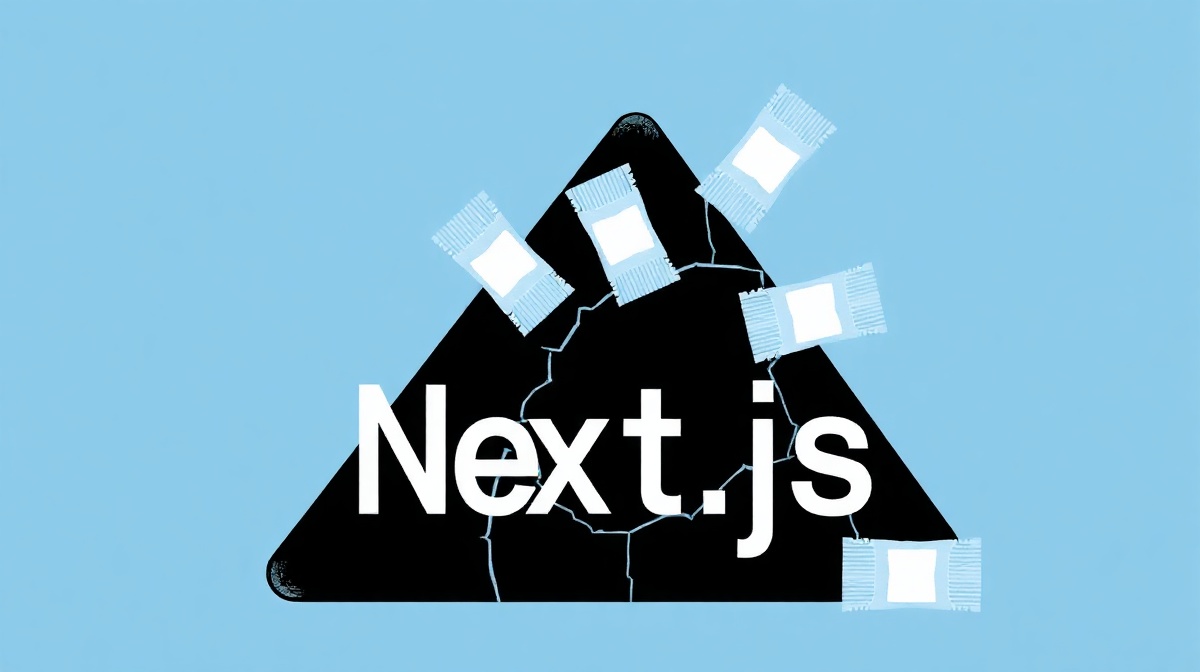
Enterprise framework diversity: 6 different frameworks across 15 sites (Source: WebPulse regional scans. The most fragmented industry in our data.)
The Distribution
Fintech converged on Next.js. Government converged on Drupal. Education converged on WordPress. Enterprise converged on nothing. BP (Next.js), Rolls-Royce (Drupal), Petronas (Drupal), Siemens (custom), HCL (WordPress), Infosys (custom). Every large enterprise made an independent decision.
Why Enterprise Is Different
Enterprise web infrastructure is a side effect, not a strategy. The CTO's attention is on ERP, CRM, supply chain, and AI — not the corporate website. The website gets built by whichever agency won the last RFP, using whatever framework that agency specializes in. The result is maximum diversity with minimum strategic intent.
The Hidden Pattern
When we look deeper, a pattern emerges: enterprises that view their website as a digital product (BP, Vodafone) chose modern frameworks. Enterprises that view their website as a brochure (Rolls-Royce, Petronas) run whatever was built 5 years ago. The framework choice is a proxy for how seriously the organization takes its digital presence.