- Apple says its Secure Exclaves process always-on camera and microphone sensing in isolated chip runtimes. In ambient mode, only metadata leaves; the main OS, apps and Apple cannot read the rest.
- Full sensor data is released only in active mode, such as a Siri session or FaceTime call, and only after the gatekeeper confirms the indicator is visible.
- The claims are Apple's own. Apple says its formal verification of the microkernel does not cover everything. Buyers should ask vendors how indicators are enforced and what data leaves the device.
A privacy promise that does not rest on the main OS
A software-drawn recording indicator asks you to trust software. Apple's latest security blog post describes an effort to move part of that trust into isolated runtimes on its own chips. The lesson here is simple. A recording indicator means something only if the device cannot show it falsely. Apple is trying to build that check outside the main operating system.
What Apple described
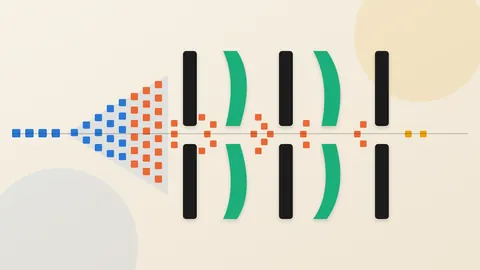
Apple published details of Secure Exclaves. Think of them as sealed rooms inside its chips. Camera and microphone data is handled in those rooms, away from the rest of the device. Apple says data handled there "cannot be accessed by the main operating system, apps, or Apple."
The scope matters. That promise covers data processed inside an exclave, which Apple describes chiefly in the ambient-sensing flows, where a device watches or listens for a trigger.
These are Apple's own claims. Neither Apple's post nor SecurityWeek's report cites an outside test of the design.
Why build this? Devices now listen continuously for words such as "Hey Siri". Apple's new HomeView display can also recognise enrolled faces and voices, for up to six people. Apple says a hardwired LED suits these uses poorly. It would glow all the time. Users could not tell background listening from active recording.
Apple does not dismiss LEDs. It calls them clear to users and useful across its products. HomeView still uses one for its camera indicator. The problem is ambient sensing, not the LED itself.
Two modes and one gatekeeper
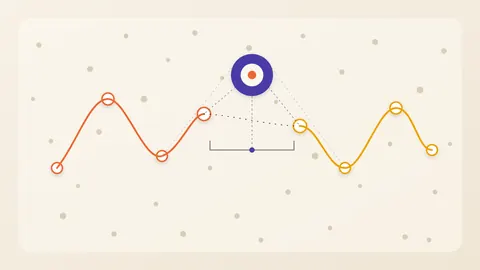
Apple splits sensing into ambient mode and active mode. In ambient mode, only specific metadata leaves the exclave. On HomeView, a recognition result carries three things: who, where and how sure. Apple says no audio or video is shared.
Active mode is different. During a Siri conversation or a FaceTime call, Apple says full sensor data can go to the main OS. A visible indicator tells the user this is happening.
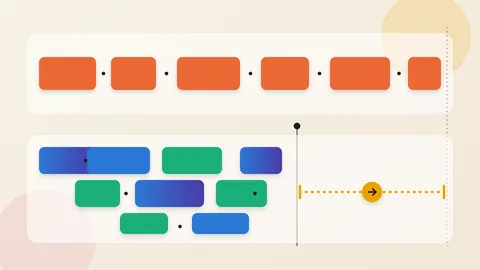
A component called the Exclave Indicator Controller guards that step. Apple says it lets data flow only once the indicator is on and has been visible long enough. For Siri audio, the indicator stays up until the session ends. Apple gives a minimum of three seconds.
On iPhone, the indicator is a dot drawn on the screen. Software draws it, so Apple adds a second check. A separate display exclave reads from a hardware block in the display system. That block reports which pixels reached the screen. Apple says the check covers minimum brightness and whether nearby pixels hide the dot. Trusted firmware in the display controller supplies the backlight values.
How the isolation is built
Apple describes several layers. The first is a custom microkernel based on L4. A microkernel is a very small operating system core. It uses capabilities, which are handles that name a resource and grant access to it. Components start with no permissions.
The second is the Secure Page Table Monitor. It controls how the main processor's memory is divided up. It runs with more privilege than the main kernel. Apple says it gives exclaves a memory view separate from the main system's.
The third is the Neural Engine, which handles machine learning. Apple added isolated work queues to it. Apple says switching back to a standard queue clears local storage, so nothing leaks.
The fourth is Secure IPC, a messaging layer written in Swift. Apple says it audits every link from an exclave to the main OS. Only the minimal metadata a feature needs may pass.
The limit Apple states itself
Apple applies formal verification to the microkernel. That means mathematical proofs that the code does what its specification says. Apple says the work surfaced serious flaws in many subsystems. Apple says these flaws had the potential to lead to full kernel compromise. Many were caught early in development.
Apple is also direct about the gap. The microkernel changes often. "We do not claim complete coverage of all aspects of the kernel," the company says. Verification is applied gradually. So the strongest assurance covers the parts proved so far.
What this means for organisations
The design changes what an on-screen indicator is. A dot drawn by software is only as trustworthy as the software. Here, an exclave checks the pixels before data moves. If the design works as described, a compromised app or OS faces an extra barrier. It would also have to defeat the check on what the screen shows.
Apple names the products covered: iPhone 18 Pro, iPhone 18 Pro Max, iPhone Duo, MacBook Neo and HomeView. The sources do not say how other devices are protected. A fleet with mixed hardware will not have the same assurance everywhere.
Leaders can put four questions to their security and procurement teams.
First, which devices with sensors sit in boardrooms, clinics and shared offices? Second, do vendors enforce indicators outside the main operating system, or only inside it? Third, what metadata leaves a device during ambient sensing, and who audits it? Fourth, what independent assessment exists beyond the vendor's own blog post?
Apple has described an indicator check that runs in an isolated chip runtime and reads from the display hardware. Buyers should now ask who else has tested it.
Produced by the WebPulse Newsroom with AI assistance from the original reporting credited below, and checked against that source by our editorial review. How we use AI.
Original reporting: Apple.