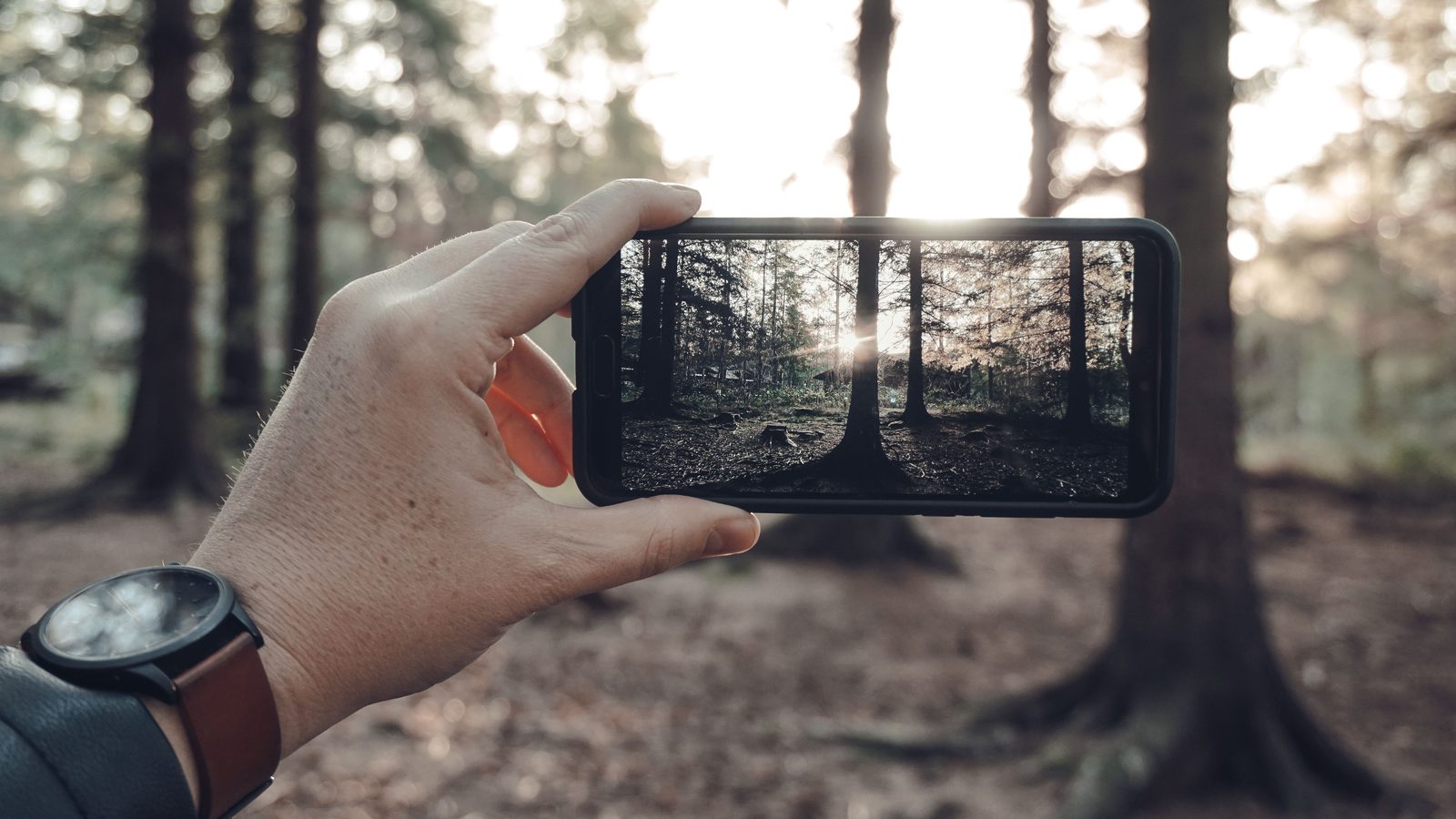
- Apple says its Reference Image mode, on iPhone 18 Pro and Pro Max, signs pixels inside the camera sensor and proves a photo was taken between two timestamps.
- The idea is that trust starts at capture, not in the edit trail. Apple describes its own design, and the post reports no outside testing.
- Anyone who relies on photos as evidence should ask what a verified image proves, which devices qualify, and who signs.
A photo that looks real no longer proves much. Apple's security team makes this point itself. Its post says AI tools now make it hard to tell real events from synthetic images. Apple's answer is a camera mode meant to show that a photo came from a real sensor at a real time.
What Apple released
Apple calls the mode Reference Image. At launch, only two phones get it, and only through their main camera: the iPhone 18 Pro and iPhone 18 Pro Max. Photographers must switch it on. The result is a photo with a secure timestamp that Apple says matches what the sensor captured.
Security researcher Bruce Schneier flagged the release and recommended Apple's report. His short post says the system can link several photos to one phone. Apple's own text says the opposite. It says an outside observer cannot tell whether two reference images came from the same device. This story follows Apple's text.
The idea: sign at capture, not at the end
Apple contrasts its design with approaches built on the C2PA standard. Those attach provenance data after capture and certify the edit history from there. Apple says the chain can break at any point. It also says a viewer has no way to spot the break.
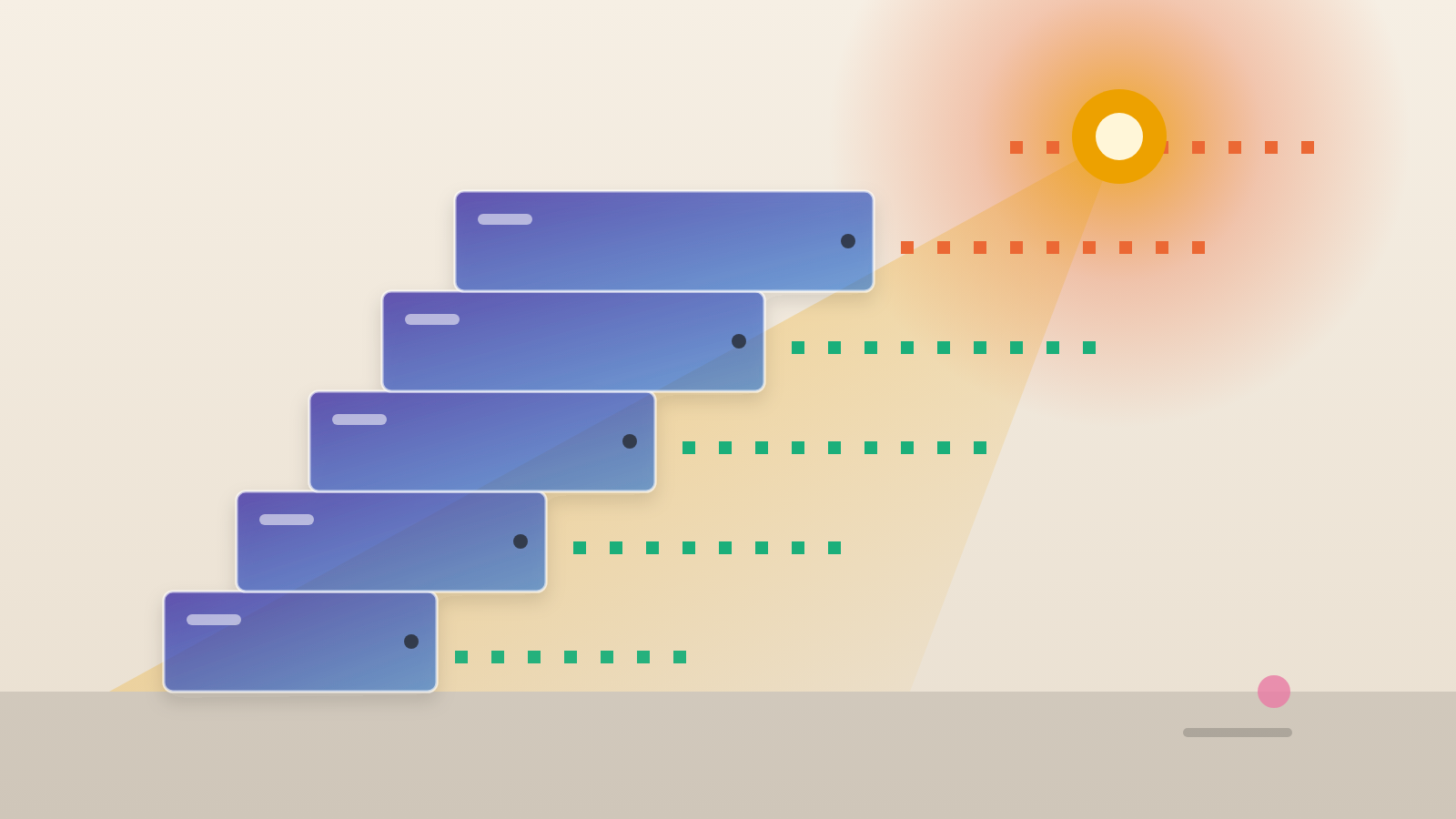
Apple says older systems sign at the end of the software pipeline, which leaves them open to attack. An attacker could feed fake pixels in on the path from the sensor. Or a compromised operating system could change the image before it is signed.
The lesson here is a shift in what authenticity means. It moves from a record of what happened to a photo toward a guarantee about the instant of capture. That relocates the trust question. It does not remove it.
How it works, in two phases
In phase one, the camera sensor restarts into a special reference mode. It signs the pixel data cryptographically right after capture. The sensor's firmware cannot change that data. Apple says this means the operating system gets the pixels exactly as the hardware captured them.
Some details come from outside the sensor, such as digital zoom and focal length. The phone's Secure Enclave Processor signs those. The output is a "secure digital negative" in DNG format. It holds the pixels, key metadata and timestamps.
In phase two, the photographer chooses to develop the negative. The phone uploads it to Private Cloud Compute (PCC), Apple's secure cloud environment. PCC checks the signatures. It confirms the sensor and Secure Enclave belong to the same phone. It then runs the usual steps, such as demosaicing, tone mapping and compression. Apple's signing service signs the result.
Proof of time, and a way to take it back
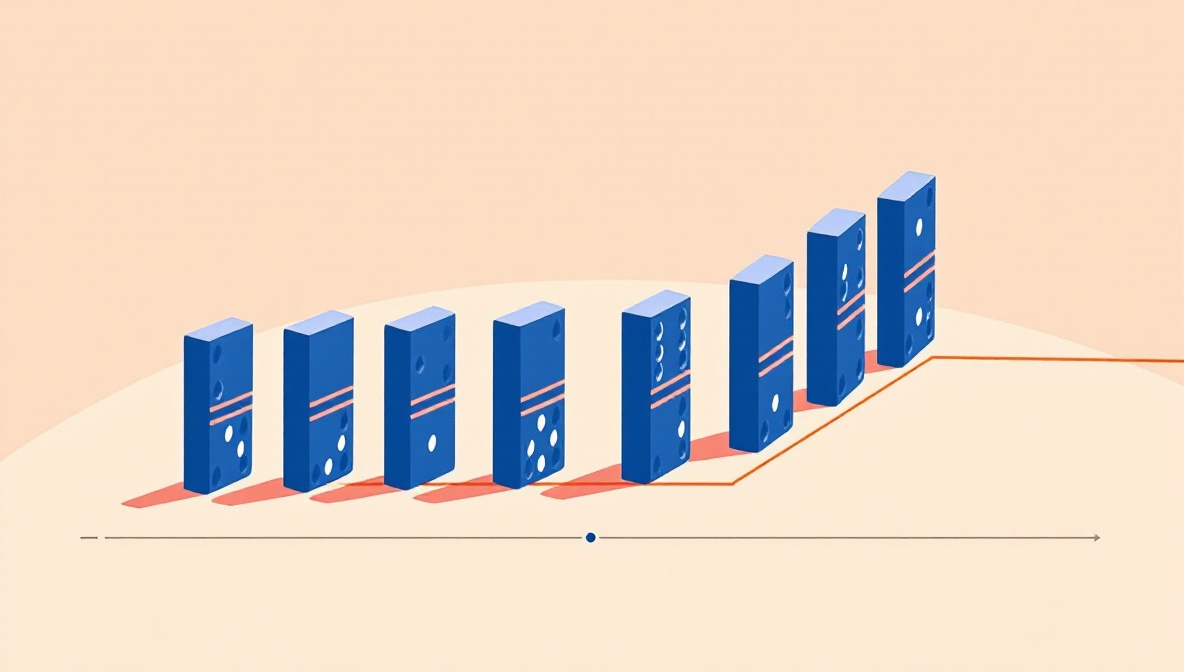
Apple does not trust the phone's own clock. The phone regularly collects a signed timestamp token from Apple's timestamp service. Apple says this happens about every 15 minutes worldwide, depending on network conditions. That token sets the earliest possible capture time.
After the shot, the phone asks for a second token. That sets the latest possible time. Apple says it guarantees the photo was taken between the two.
If the phone is offline, the second token arrives later, once a background process succeeds. If the earlier timestamp fails checks, PCC substitutes March 31, 2026. Apple says the feature did not exist before then.
Apple also says no security system is perfect. PCC scores each image with a neural network. The score checks whether the image has the traits of raw output from Apple's sensors. Scores are tracked per sensor. A low-scoring sensor can be revoked, and so can single photos. Phones check revocation lists before showing a reference image.
Privacy by design, trust by design
Apple says photographers need no public credential. Instead, Apple's signing service signs the image after PCC validates it. Apple's concern is for photographers such as those in conflict zones. In its view, they should not have to give up anonymity to show a photo is genuine.
Apple also says PCC is built so that even Apple cannot see the image data. A separate protection works at the network level. Timestamp requests go out over Oblivious HTTP, so the service issuing the time has no view of the phone's IP address.
Apple also says its signature is post-quantum, meant to stay verifiable over the long term. It says it knows of no other image provenance system with that property.
These are Apple's descriptions of its own system. The post reports no independent testing. Apple does say every PCC production build is logged and its binaries are open to public inspection.
What leaders should ask
This is one vendor's design on two phone models. The sources do not say how newsrooms, insurers or courts will treat the result. Still, it shows how trust in digital evidence may be rebuilt. It is fair to ask what that means for your own processes.
First, find where your organisation treats a photo as proof. Think of claims, inspections, compliance records or press material. Second, ask what a verified image would prove there. Apple's claim covers a real sensor and a time window. It does not say the scene was not staged.
Third, ask which devices qualify. Apple names only the new Pro models, and the mode is opt-in. Fourth, ask who you are trusting. Here the signer is Apple. A verified image is only as good as that signature and the revocation lists behind it.
Proof of reality is becoming something a platform issues. Decide now how much of that trust you are willing to hand over.
Produced by the WebPulse Newsroom with AI assistance from the original reporting credited below, and checked against that source by our editorial review. How we use AI.
Original reporting: Apple.