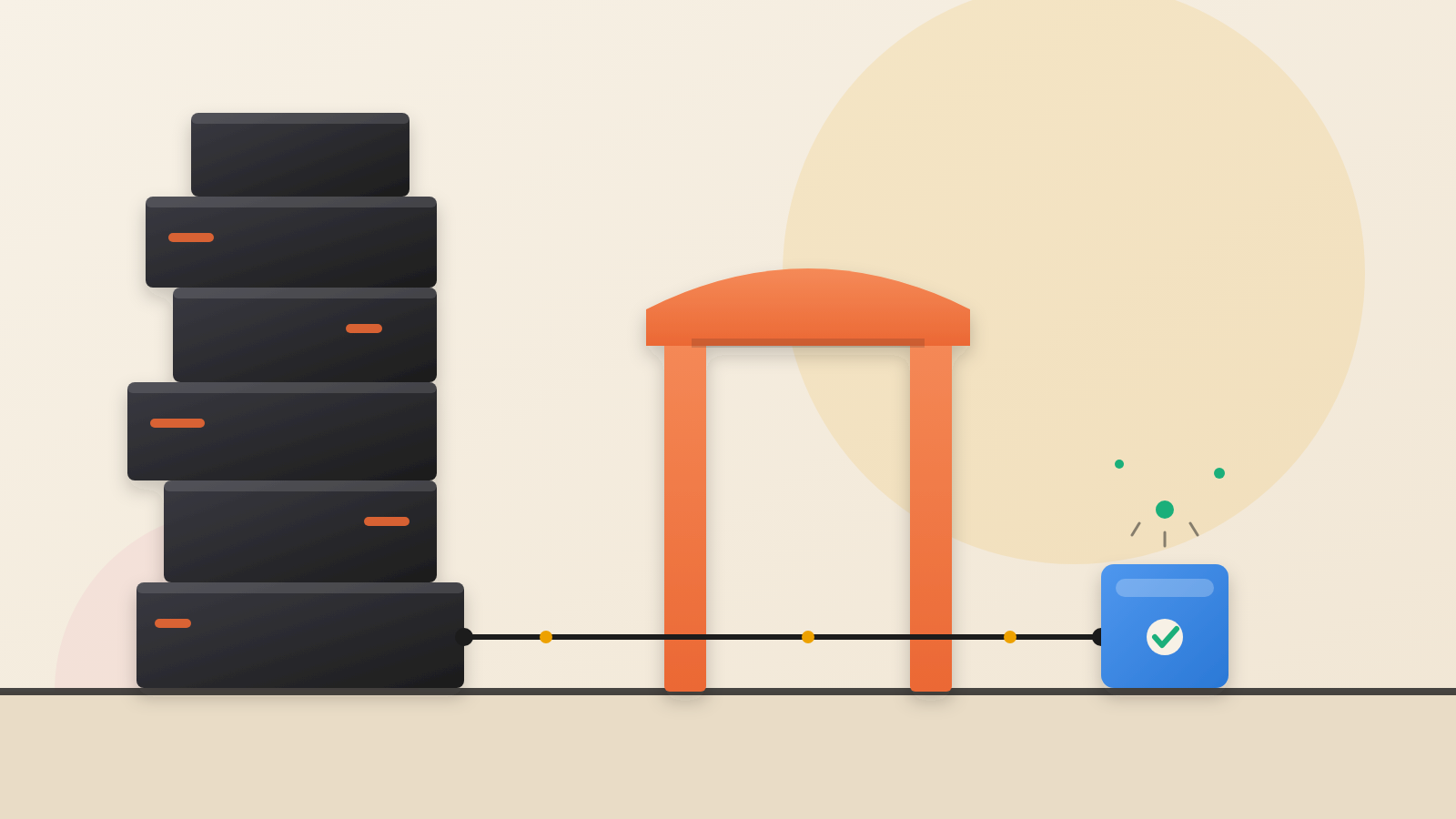
- Jan Curn of Apify argued that heavily subsidised tokens let agents build anything from scratch, so they have no reason to buy existing services.
- He suggested that when subsidies end, buying a service may become cheaper for an agent than building one, and that could create a real market.
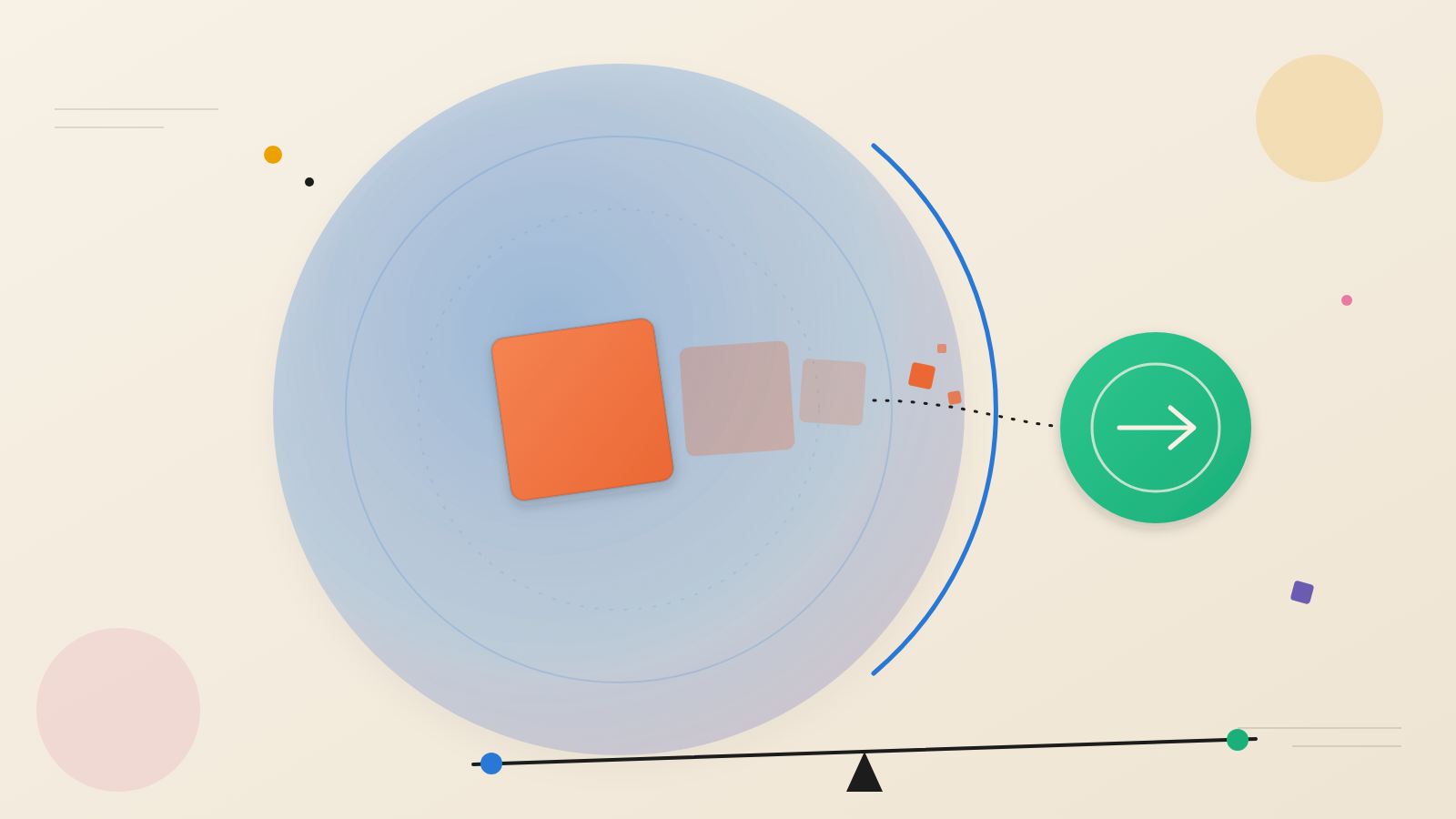
Jan Curn, founder of Apify, argued on the AI Engineer podcast that cheap, subsidised AI tokens are one reason agents do not buy services. Tokens are the small units of text that AI models read and write, and the unit in which usage is billed. Curn's point was simple. When building costs almost nothing, an agent builds. If that pricing ends, buying may start to make sense.
What was said
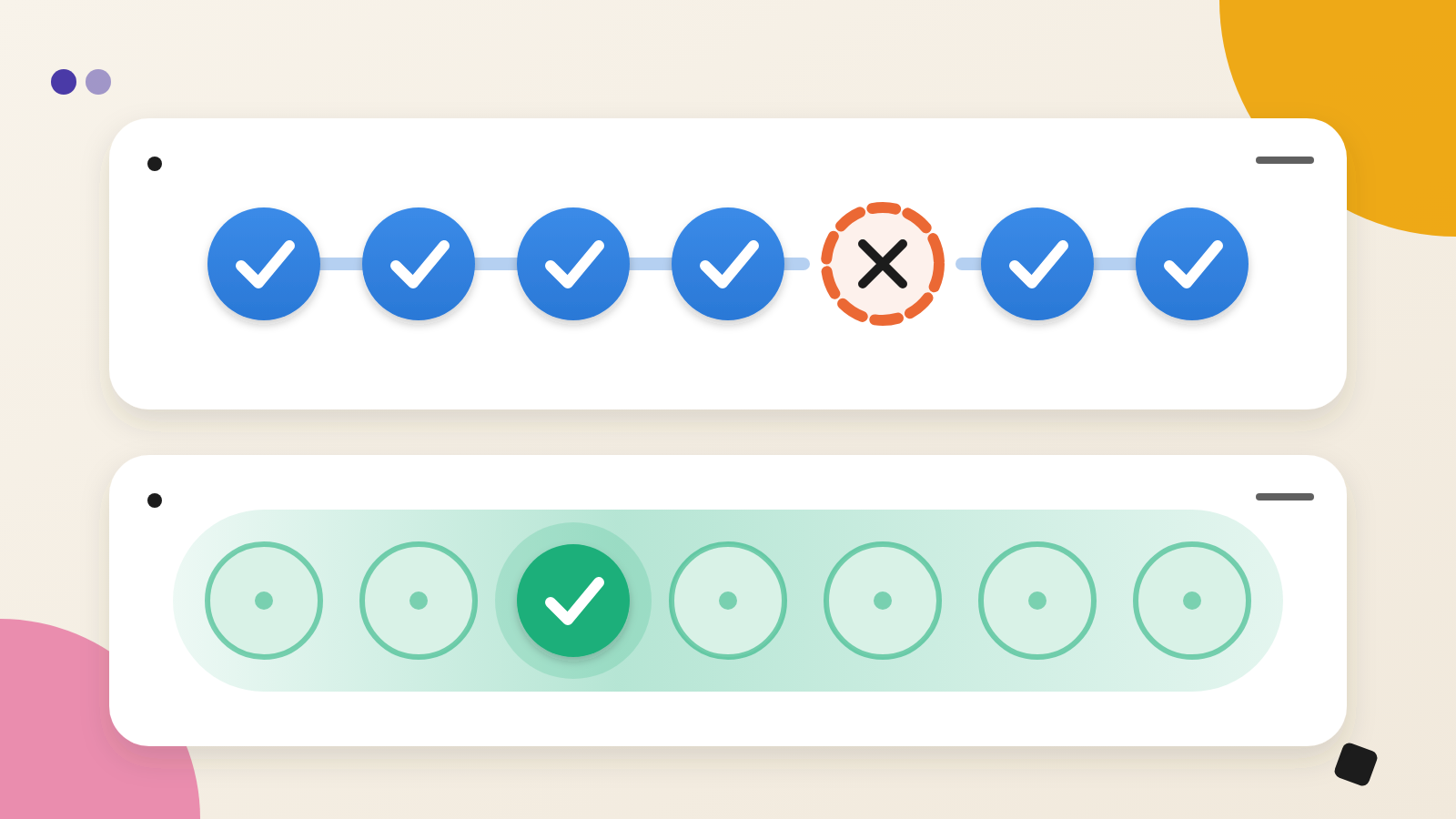
Curn walked through what he called the agent payment funnel: need, setup, discovery and purchase. At the first step, he said, new payment standards face a rival that is hard to beat. "They are competing with API keys because it's just the more convenient way." An API key is a simple access code that lets software use a service.
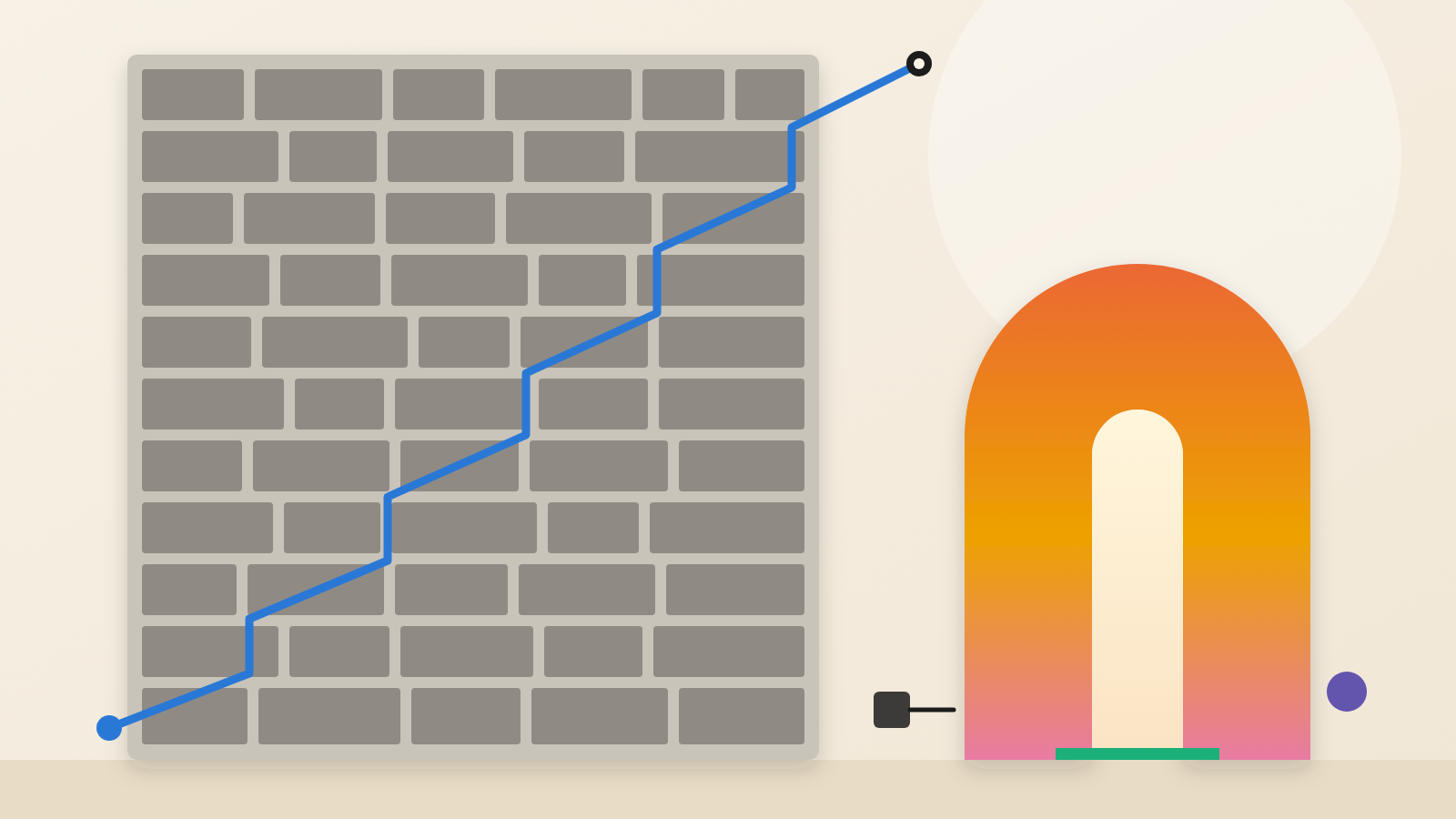
He then raised the subsidy problem. Of Claude's pricing he said: "$100 per month on Claude you can buy, I don't know, like $14,000 worth of tokens if you max it out this is crazy". His reasoning was that agents then have no incentive to look for existing services. They can build almost anything from scratch, because it costs them next to nothing.
Curn said he thinks this will end at some point, maybe with IPOs at OpenAI and Anthropic. Agents might then decide it is more economical to buy a service than to build it. He also expects always-on personal agents to be given budgets.
Why it matters
Our reading: low agent spending on services may say little about whether those services are any good. It may mostly reflect the price of building. Anyone selling to machine buyers should keep that in mind when adoption looks weak.
The same logic applies to teams that run agents. An agent's choice to build rather than buy looks free only at today's prices. Curn's argument suggests asking what the build-or-buy choice looks like once the price of tokens changes.
The other side
Curn hedged his own case. He offered the $14,000 figure as a rough guess, and he linked the end of subsidies only loosely to possible IPOs at OpenAI and Anthropic. He named no date.
He also did not present subsidies as the only obstacle. He said crypto wallets are still hard for most people to set up, and that credit cards are easier because everyone already has one. He called finding services an agent can trust the big question. He expected wallet tooling to improve, but he did not claim that trust in discovery is solved. Even if subsidies fade, those gaps could still keep agents from buying.
Written by the WebPulse Newsroom with AI assistance, and checked by our editorial review: every quotation was verified against the recording's transcript. How we use AI.
The conversation this talking point comes from
- AI Engineer: Why AI Agents Still Won't Pay for Anything — Jan Curn, Apify (2026-10-18)