- Jemima Abu argued that an AI coding agent treats the existing code as its guide, so it repeats a codebase's neglect of accessibility.
- Her advice is to audit and fix the codebase before adding an agent, then give the agent a standing accessibility instruction.
AI coding agents learn from the code around them. Jemima Abu made this point in a talk on the AI Engineer show. If a codebase ignores accessibility, she argued, an agent working in it will ignore it too. Each new feature then adds more inaccessible code.
What was said
Abu said developers often work with a "works on my laptop" attitude. They check that a feature behaves the way they meant. They do not check screen readers or poor viewing conditions.
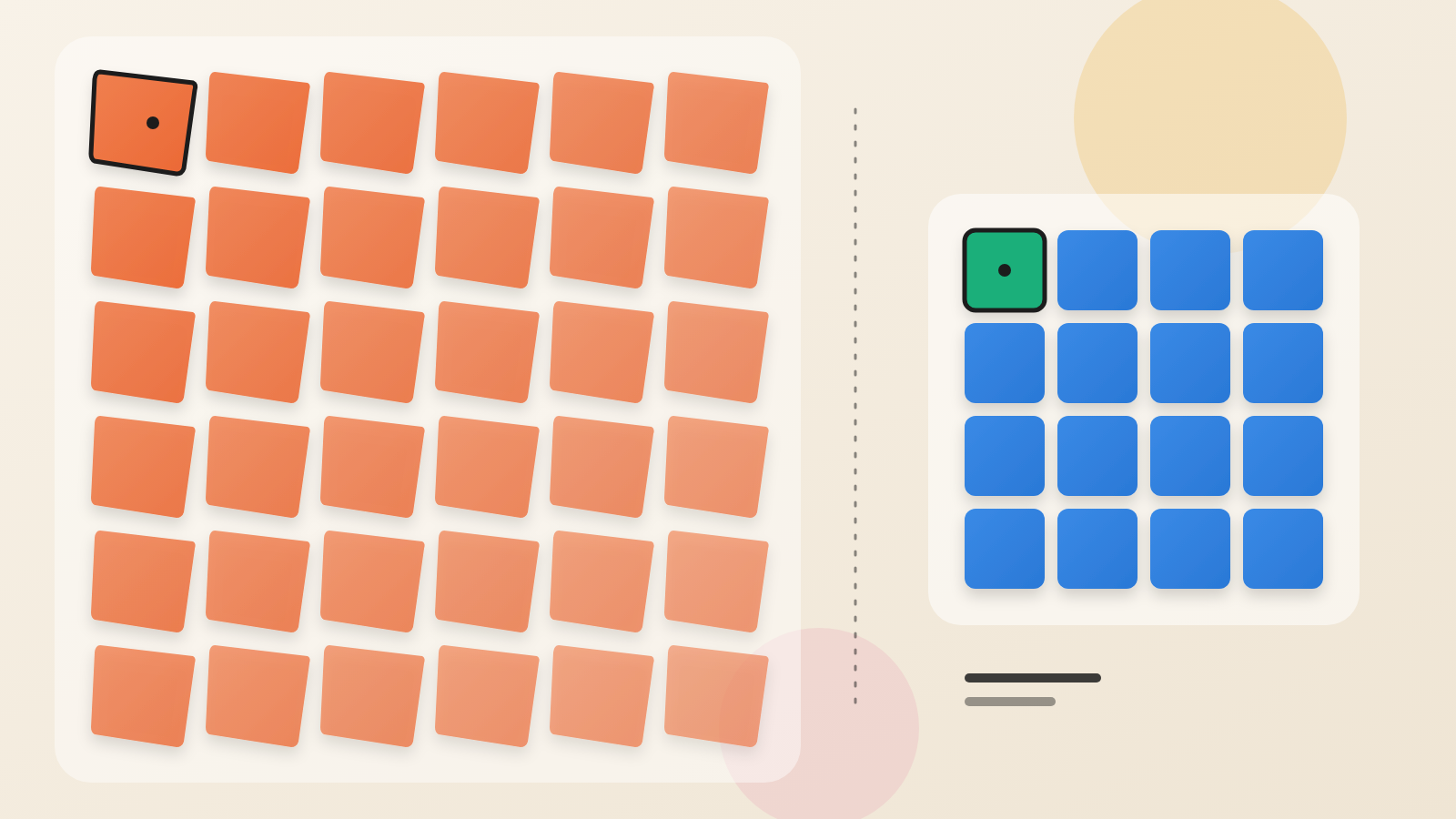
Put an agent into a codebase built that way, she said, and it absorbs the same habits. Accessibility was never mentioned in the past, so the agent assumes it does not matter. The more the team uses the agent, the more inaccessible the codebase becomes.
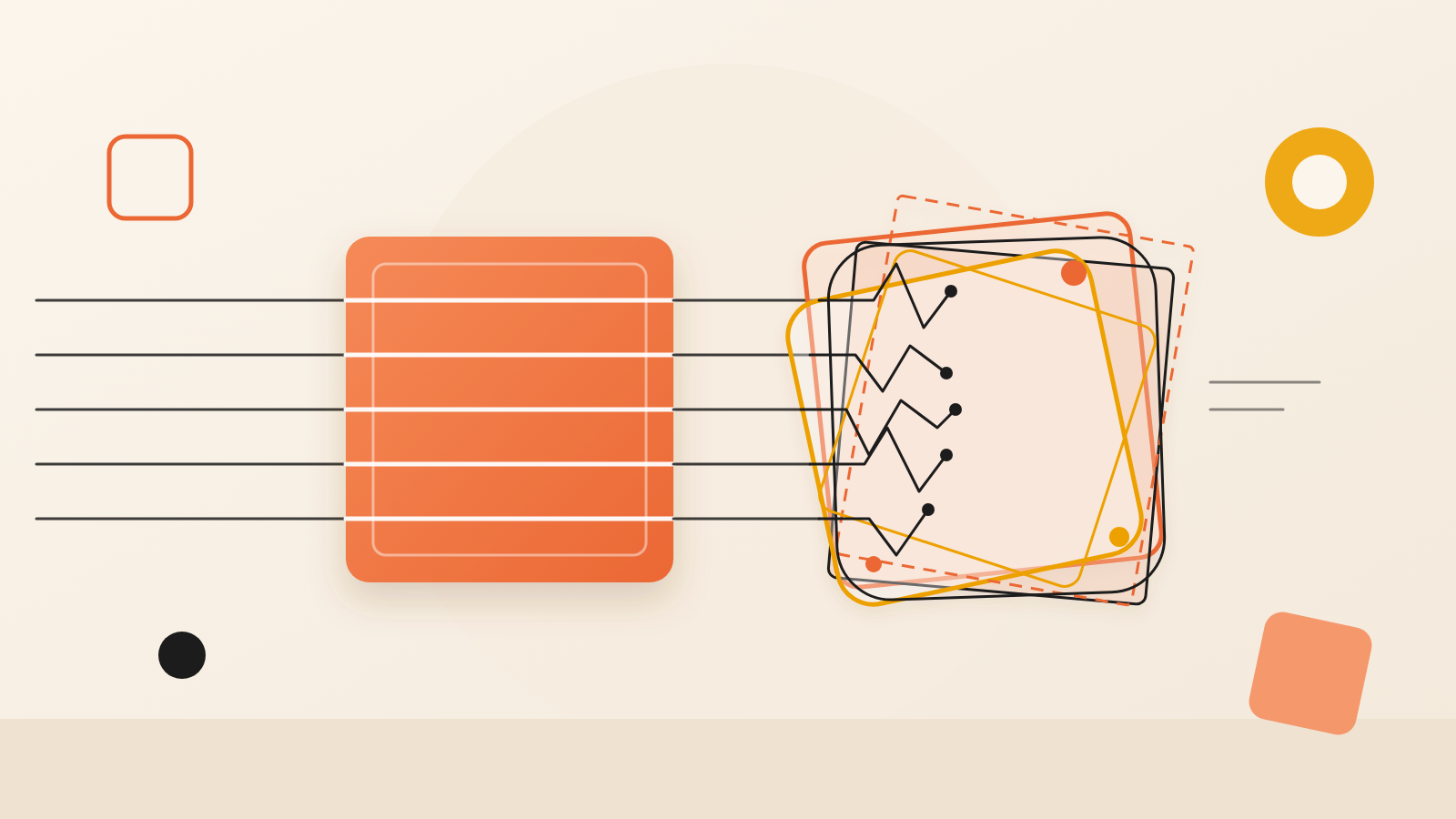
She noticed a second problem in her own experiment. Asked for a simple accordion or modal window, the agent did not look for a built-in HTML element that already does the job. It wrote one from scratch. In her words, it "will reinvent the wheel as many times as it wants to." She added: "AI loves to write code."
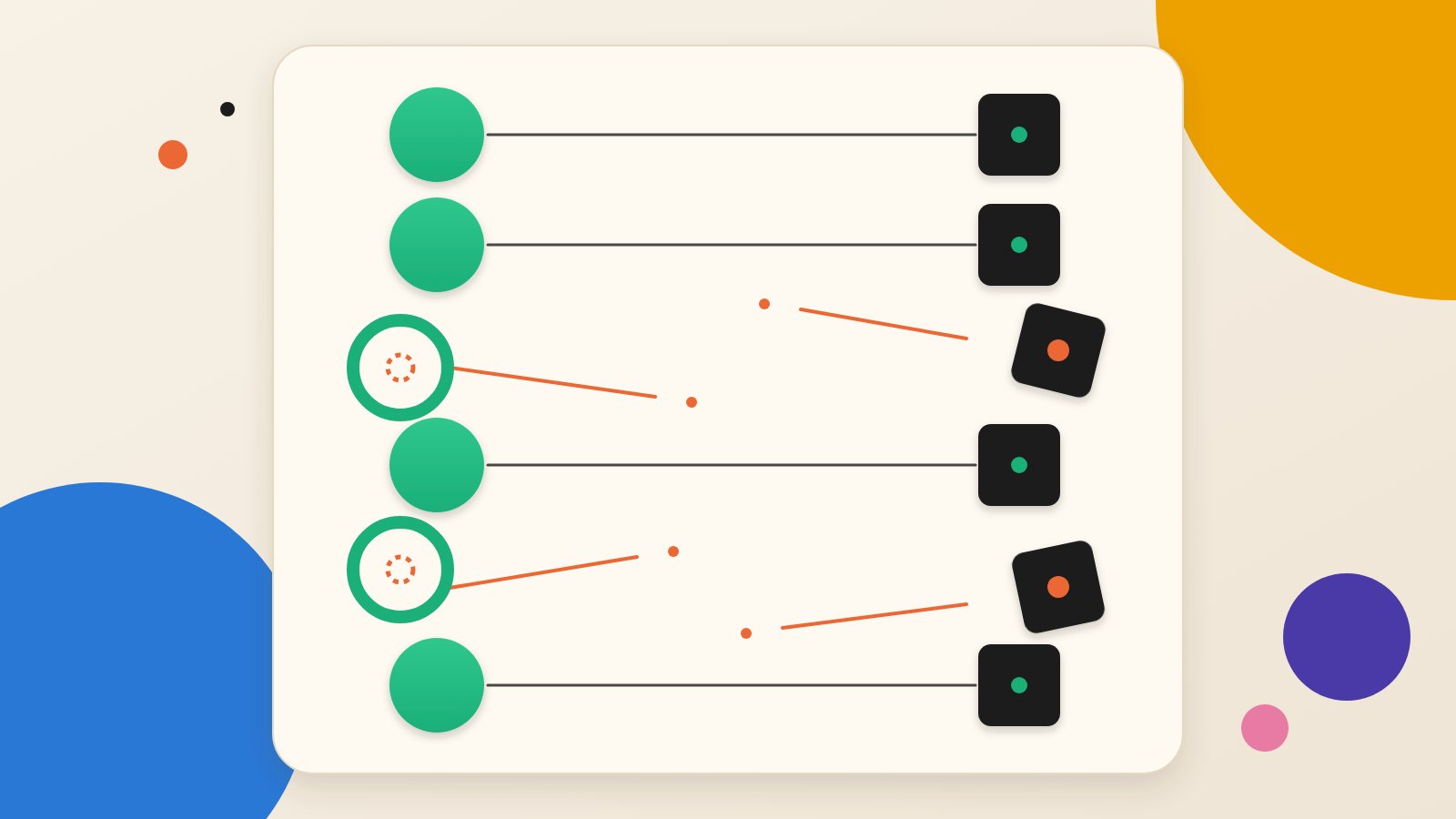
Rebuilding native behavior means more features to write and more testing. Her fix has four steps: define the accessibility requirements, audit the existing code before adding an agent, fix what the audit finds, and give the agent a mandatory accessibility skill. A skill is a standing set of instructions the agent consults.
Why it matters
Our reading: the existing code works as an instruction to the agent, whether or not anyone wrote it as one. A team that adopts coding agents without cleaning up first may be paying the agent to spread old flaws.
For engineering leaders, the audit becomes a first step rather than later cleanup. Abu said that fixing problems late means rewriting more code than building accessibly from the start. Faster output makes that rewrite larger.
For buyers, one question follows. When a vendor says its team uses AI agents, ask what the agents are told about accessibility and what code they learn from.
The other side
The evidence here is thin. According to the show notes, Abu's experiment was small and uncontrolled. She acknowledged that one comparison like this cannot show accessible work is cheaper in every case.
Her account of agents absorbing a codebase's habits is her own observation. The excerpts show no measurement across many codebases or tools.
She also conceded that her lightweight checklist is not enough. No single tool makes a site fully accessible, so manual testing is still needed. The excerpts do not say how long an audit takes in a large, older codebase.
Written by the WebPulse Newsroom with AI assistance, and checked by our editorial review: every quotation was verified against the recording's transcript. How we use AI.
The conversation this talking point comes from
- AI Engineer: The Cost of Accessibility in AI — Jemima Abu, CAIS (2026-10-14)