WordPress TTFB (origin server): 800-2,500 ms (Source: WebPulse scan (initial baseline) data. Measured TTFB for WordPress sites in our sample.)
What Changed
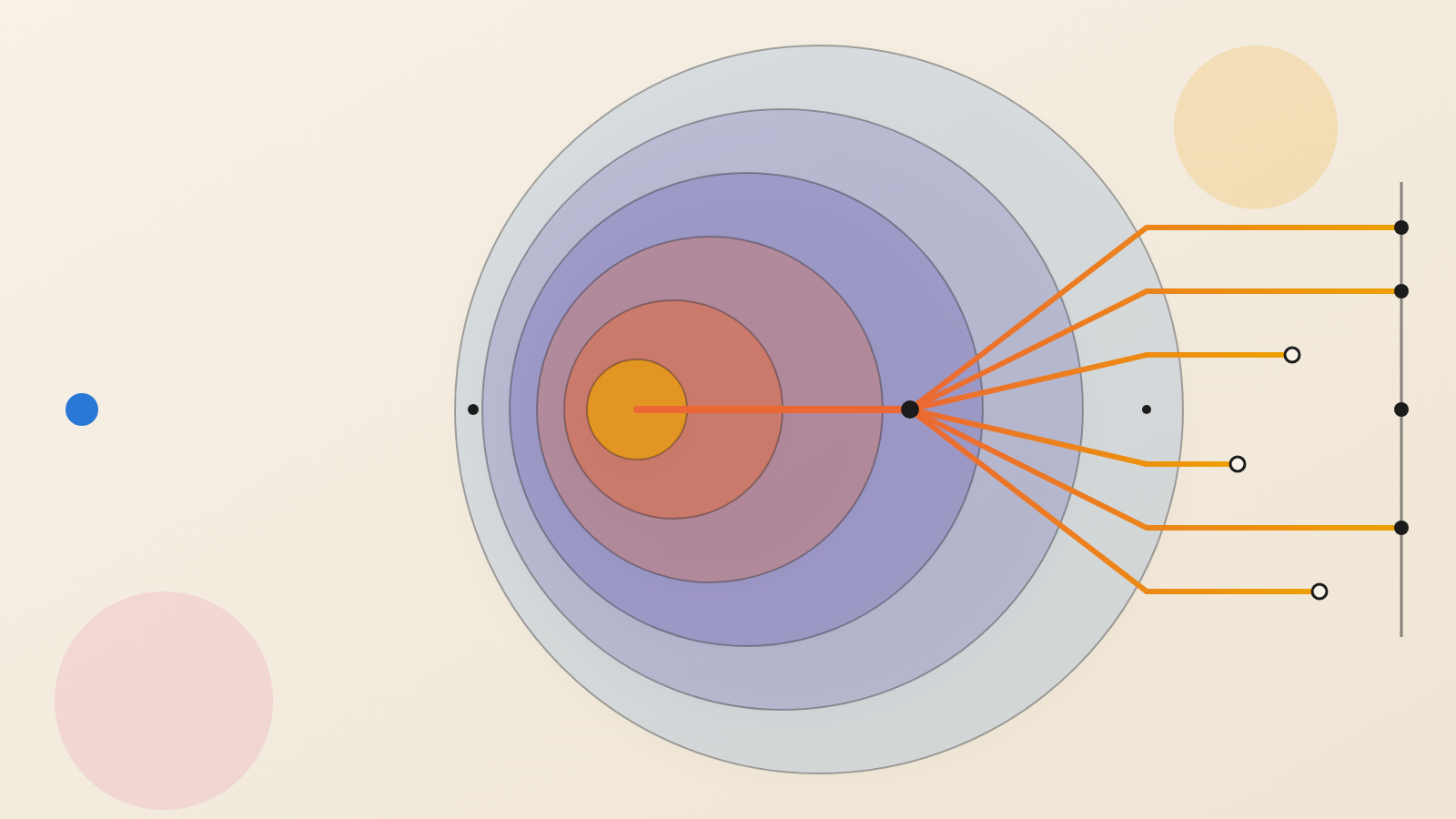
Edge computing moved code execution from centralized servers to 300+ locations worldwide. A request from Tokyo is served from Tokyo. A request from São Paulo is served from São Paulo. The result: sub-50ms response times globally, at a fraction of the cost of traditional hosting.
But there's a catch: edge runtimes don't run PHP. They don't run MySQL. They don't execute WordPress. The edge was built for modern frameworks — JavaScript, WebAssembly, static assets. Legacy architectures are architecturally excluded.
The Performance Gap
The Cost Inversion
Traditional hosting: you pay for servers that sit idle most of the time, scaled for peak traffic. Edge hosting: you pay per request, with no idle capacity. For most sites, this means:
The Reach Multiplication
A WordPress site on a US server takes 3-4 seconds to load in India. The same content on Astro deployed to the edge loads in under 1 second in India, because it's served from Mumbai, not Virginia. This isn't optimization — it's architecture. Legacy frameworks physically cannot close this gap.
What This Means
Every organization running a legacy CMS is paying more for worse performance than what modern frameworks deliver for free. The edge didn't just improve web hosting — it made the cost structure of legacy frameworks indefensible.