- An agent that checks its own work can approve its own mistake, because the checker shares the author's wrong assumptions.
- Corey Gallon sends legal and financial work to reviewers who see only the documents, and a demand letter shows why.
An AI agent that checks its own work tends to agree with its own mistakes. Corey Gallon of Rexmore made this point on the AI Engineer show. His rule is that anything with legal or financial stakes goes to reviewers who start with none of the author's context.
What was said
Gallon described a billing dispute between one of his firm's portfolio companies and a vendor. It involved thousands of dollars and legal implications. An agent wrote the demand letter assuming the vendor's contract was no longer in force. The agent then checked the letter's claims against the contract and the invoices, and reported them verified.
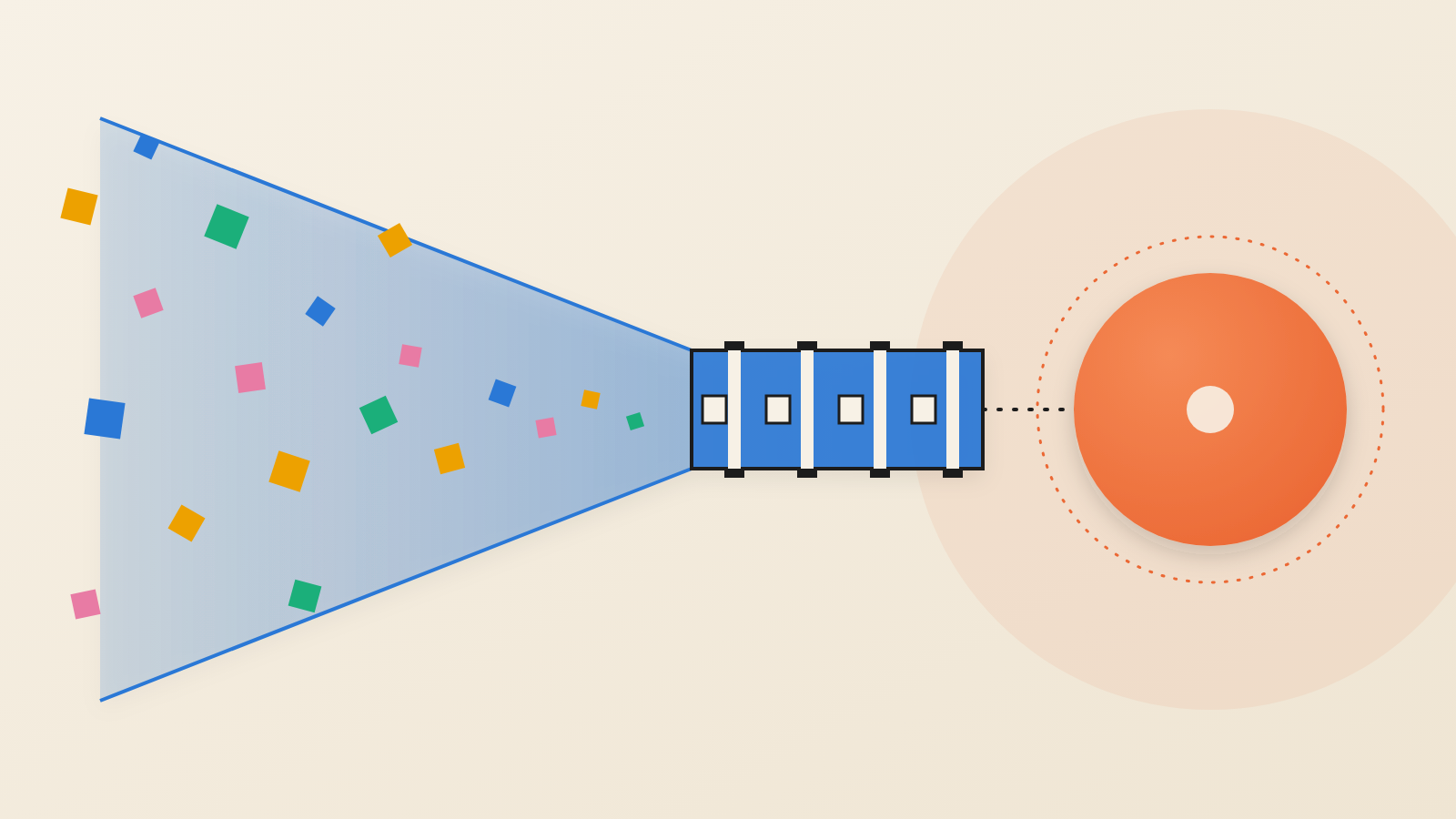
Gallon then used a panel of reviewer agents. Each played a part with a motive to attack the letter: his firm's litigator, the vendor's lawyer, and an auditor who assumed no figure was right. Their only inputs were the draft, the contract and the invoices. The auditor found the money figure correct to the cent. But both lawyer reviewers, working separately, found a three-year auto-renewal clause in the fine print.
That renewal had happened under three weeks before. Sending the letter would have meant walking away from a live contract and owing the vendor thousands of dollars. The drafting agent had also deleted a line that correctly noted the renewal. Gallon summed it up: "The original agent's own check had agreed with its own error." The letter was rewritten and checked again by new reviewers who had never seen it.
Why it matters
Our reading: a self-check only tests whether the work matches the author's own understanding. Here the wrong premise survived because the checker held it too. The numbers were right and the letter was still wrong. A correct total can hide a false foundation.
For anyone who buys or runs agent tools, a "verified" label from the same agent is weak evidence. A better question is what the reviewer was given, and whether it could see the author's reasoning. Gallon also said that at his scale, checking everything himself is not an option. The cold review replaces that human check. In this case it took about 15 minutes and 13 million tokens, a cost he accepts for work with legal or financial stakes.
The other side
Gallon reported a consequential agent error in roughly four in ten of the 2026 sessions he analysed. That figure describes his sample only. It says nothing about agents in general, or about final output after review.
The reviewers are agents too. The excerpts do not say how often they miss a problem, or how the review process itself gets checked. Gallon closes by saying he trusts his agents because the work was validated first, and not by him. That moves trust from the agent to the method. It is a sound idea, but the talk gives one detailed case rather than a measured track record.
Written by the WebPulse Newsroom with AI assistance, and checked by our editorial review: every quotation was verified against the recording's transcript. How we use AI.
The conversation this talking point comes from
- AI Engineer: I Believe Everything My Agents Tell Me: Three Levels of Review — Corey Gallon, Rexmore (2026-10-13)