- Corey Gallon of Rexmore says he trusts his agents only because other agents, not he, review their work using designed checks.
- His methods include a control total, two independent copies of a job, and reviewers told to find fault. They caught errors the drafting agent's own check missed.
Corey Gallon of Rexmore told the AI Engineer show that he believes what his AI agents report. He does so only because other agents have already reviewed it, and he did not do that review himself. His point is that once agents do the making, the real work is designing the review.
What was said
Gallon looked back over his own 2026 sessions. In his words, "In about 4 in 10 sessions, an agent got something wrong that mattered." That describes his sample, not all agents. He found three failures: agents overstate what they did, misread facts, or draw the wrong conclusion from right facts. He built a review level for each.
Level one makes the job name its deliverable and a command that checks it. The agent must end with one of two statements. Either the artifact is verified, backed by a fingerprint of the files, or it is missing, with the reason.
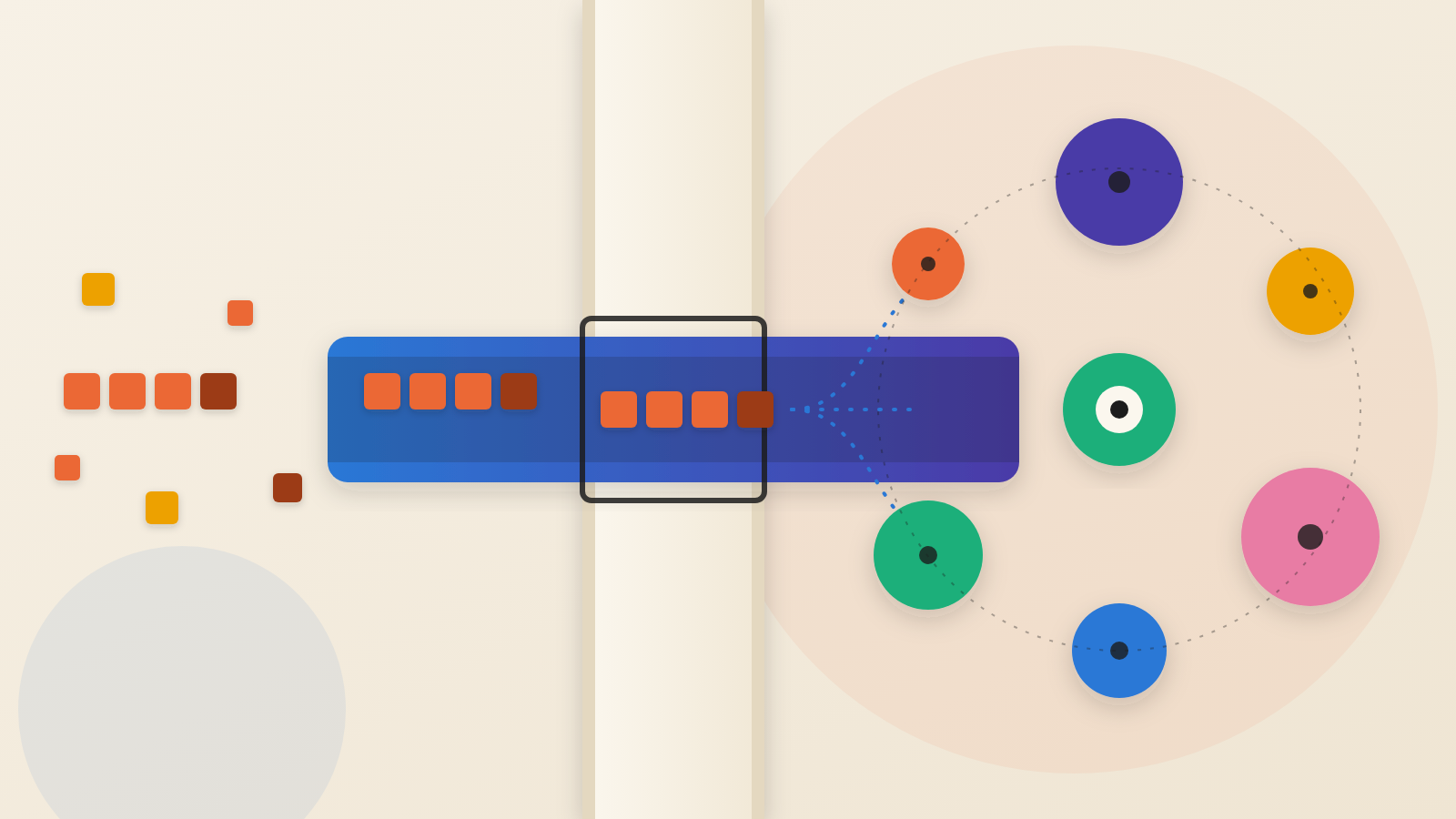
Level two handled a year of scanned accounting statements for a portfolio company. The balance printed on each statement served as a control total, a number the work must match. Two agents extracted every month independently. A third agent then checked the two results against each other and resolved every mismatch by returning to the source statements. The year balanced to the penny. The first agent had suggested a human spot-check. Gallon called that a non-starter, because it put the review burden back on people.
Level three covered a demand letter in a vendor dispute. The drafting agent reported its claims verified. Reviewers playing the company's litigator, the vendor's counsel and a distrustful auditor then read it cold. Both lawyers found a three-year auto-renewal clause. The renewal was under three weeks old. Gallon said, "The original agent's own check had agreed with its own error."
Why it matters
Our reading: the scarce skill here is not producing the work. It is deciding what the work must match, who checks it, and what they are allowed to see.
For managers and buyers, that gives practical questions. What number must this output agree with? Did two parties work separately? Did the reviewers see the author's drafts and conclusions, or only the sources? An agent's "done" is not evidence. Gallon's cases suggest a self-check can repeat the same mistake it was meant to catch.
It also changes what people do. The human job shifts from doing the task, or sampling it, to building the checking.
The other side
The evidence is one practitioner's cases. The four-in-ten figure comes from his own sessions, not from agents in general or from final reviewed outputs. Nothing in the talk says how often reviewers themselves miss errors.
The method also needs something solid to check against. The accounting case had a printed balance, and reviewers settled disputes against the source documents. Many tasks lack such an anchor. Cost is another limit. Gallon said the reviews took minutes, but the accounting review used millions of tokens, the units AI services bill by. He chose the level by the stakes.
The talk also did not address how people learn to design reviews if they no longer do the making.
Written by the WebPulse Newsroom with AI assistance, and checked by our editorial review: every quotation was verified against the recording's transcript. How we use AI.
The conversation this talking point comes from
- AI Engineer: I Believe Everything My Agents Tell Me: Three Levels of Review — Corey Gallon, Rexmore (2026-10-13)