- An NBER working paper on 500,000+ GitHub developers finds autonomous coding agents raise commits by 240% but actual releases by only 30%.
- The authors say the pattern is consistent with human bottlenecks: AI and human effort appear strongly complementary, with an estimated elasticity of substitution of 0.23.
- Leaders should measure shipped and used software, not commit volume, and ask where work waits on people once code is written.
Coding activity jumped. Releases rose far less.
Commits are easy to count. Working software that customers use is what a business pays for. A new working paper from the National Bureau of Economic Research (NBER) measures the gap between the two.
Its authors are Demirer, Musolff and Yang, and it is titled "Writing Code vs. Shipping Code." The lesson here is simple: AI has sharply raised coding activity, and the later steps toward release have risen far less.
What the researchers measured
The study links GitHub activity for over half a million developers to telemetry from the AI tools they used. It uses a matched event study, which compares developers who adopted a tool with similar ones who had not.
The paper covers three generations of tools. Autocomplete raised commits, the saved units of code changes, by 30% cumulatively. Interactive coding agents raised them by 180%. Autonomous coding agents raised them by 240%.
Then the gains shrank at each later step. For autonomous agents, the 240% rise in commits became 80% for the number of projects. It became 30% for actual releases.
The authors also checked four major software marketplaces. New apps rose sharply there, but overall usage of apps did not rise. The authors conclude that big gains at the task level have so far reached shipped and used software only in part.
A likely reason the gain leaks away
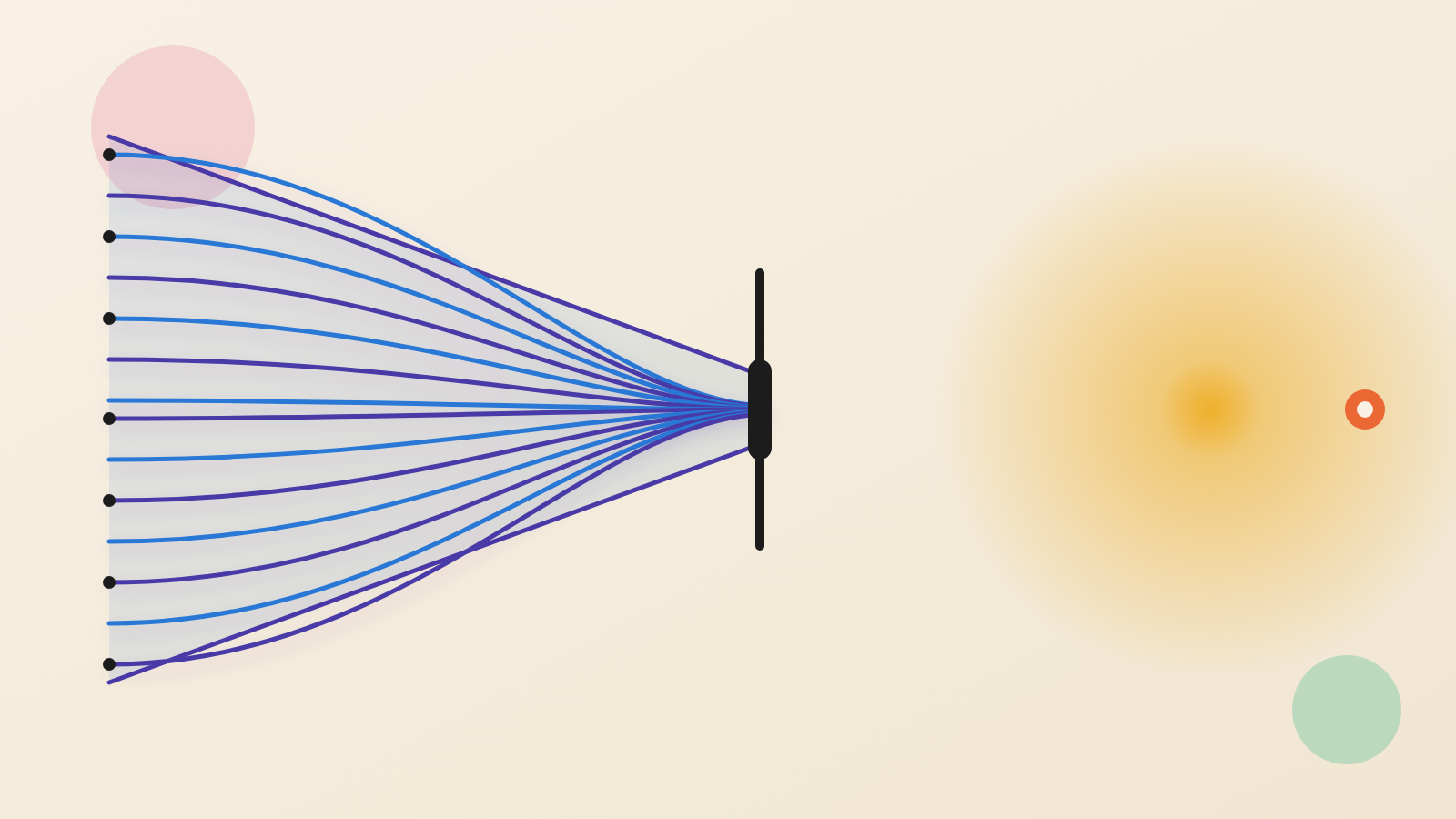
The authors say the pattern is consistent with the weak-link hypothesis. Think of an assembly line. Doubling the speed of one station does not double the output if the next station still works at the old pace.
They put a number on this. Their estimated elasticity of substitution between AI and human effort is 0.23. That term measures how easily one input can stand in for another. A low value means the two work as complements. If so, more AI cannot easily replace scarce human effort, and human effort can limit the result.
The summary we reviewed does not say which human tasks form the bottleneck. Leaders should not assume it is any one step, such as code review.
A different bottleneck: attention
A separate report describes a different kind of human bottleneck, one of attention rather than of the path to release. On October 16, Anthropic published research on its own workforce. It drew on internal employment, AI use and hiring records, plus 17 employee interviews.
Anthropic reports that juniors made up 21% of technical-department staff in early 2025 and 14% since. Among technical hires, the junior share fell faster, from 27% to 9%. It also reports that productivity "leapt up" once staff adopted coding agents.
One engineer described facing "an army of Claudes, with every one asking for my attention." Anthropic says the pressure in such a workplace is to streamline oneself out of the bottleneck.
This parallels the NBER finding but does not confirm it. The engineer's bottleneck is attention across many agents. The NBER paper does not name its human step.
Two caveats apply. This is one company reporting on itself. The part of the report we reviewed does not say how it measures output, so it cannot be compared directly with the NBER figures.
Two findings, one uncomfortable question
The NBER authors say human bottlenecks fit their results across a large developer sample. Anthropic reports that it is hiring fewer junior technical staff. These sources do not link the two findings, and neither claims the other's result.
Still, a board can ask the question. If people are the scarce link in turning code into releases, what is the plan for building experienced people? Anthropic itself says its commitments raise difficult questions, and it has prioritized redeploying staff as jobs change.
Limits of the evidence
This is a working paper, not a final published result. Its data covers GitHub developers and four software marketplaces, not every kind of software work. The authors write "thus far," which describes the past rather than a forecast.
Demirer and Musolff each disclose a past postdoctoral post at Microsoft and current paid consulting for the company. The paper also states that Wharton's Mack Institute for Innovation Management and the Chicago AI Incubator funded it in part.
What to ask your team
First, what do we count as productivity? Commits and pull requests measure effort. Releases and customer use measure results.
Second, where does finished code wait? Map the steps after the code is written, and see which depend on a scarce person.
Third, what does a vendor's productivity claim actually measure? Ask whether it stops at the task or reaches shipped, used software.
Fourth, if we hire fewer juniors, who will hold the judgment we need in five years? Ask for a plan, not an assumption.
Autonomous agents raise coding activity sharply. Releases still depend on people.
Produced by the WebPulse Newsroom with AI assistance from the original reporting credited below, and checked against that source by our editorial review. How we use AI.
Original reporting: National Bureau of Economic Research (NBER), NBER Working Paper 35275 by Mert Demirer, Leon Musolff, and Liyuan Yang.