- LocalStack's survey says 65% of respondents produce at least twice as much code with AI, and 97% report production failures that staging cannot reliably catch.
- LocalStack, a vendor, argues testing is now the bottleneck. The data shows strain, but it is self-reported and does not measure that directly.
- Leaders should ask where code waits, what credentials agents hold, and whether teams measure tested, released code rather than code written.
Where the delay may now sit
Writing code has long been seen as the limit on how fast software ships. AI tools loosen that limit. LocalStack, which sells cloud test environments, argues the limit has moved to checking that the work holds up.
LocalStack's CTO, Waldemar Hummer, frames it as a question of confidence. Code now arrives faster than teams trust it enough to release, so he calls testing and validation "the new bottleneck". That is the vendor's framing. The survey figures below show strain, but they do not measure the bottleneck directly.
The analogy is a factory line. When one machine speeds up, the pile-up moves to the next machine. For software teams, the next machine may be testing.
What the survey reports
In LocalStack's 2026 State of AI in Cloud Development report, nearly two-thirds of respondents (65%) say their teams now write at least double the code they wrote before adopting AI. At the top end, 32% report output of five times as much or more.
The summary we reviewed does not say whether that 32% is a share of all respondents or of the 65%. Read it as a sign of heavy output, not a precise count.
Quality is a worry. Some 54% of respondents say AI-written code brings them more bugs. Close to half find code written by people easier to debug. Respondents estimate that just under 40% of AI-generated code ends up not being released.
Autonomous agents, which write code without waiting for a human prompt, add to the volume. LocalStack says teams that use them feel more confident releasing AI-written code. Heavy agent users also tend to release more often.
One caveat applies. LocalStack sells isolated cloud environments for developers and AI agents. The text we reviewed does not say how many people responded or how they were chosen. Treat the figures as self-reported views, not measured outcomes.
Why staging misses what production finds
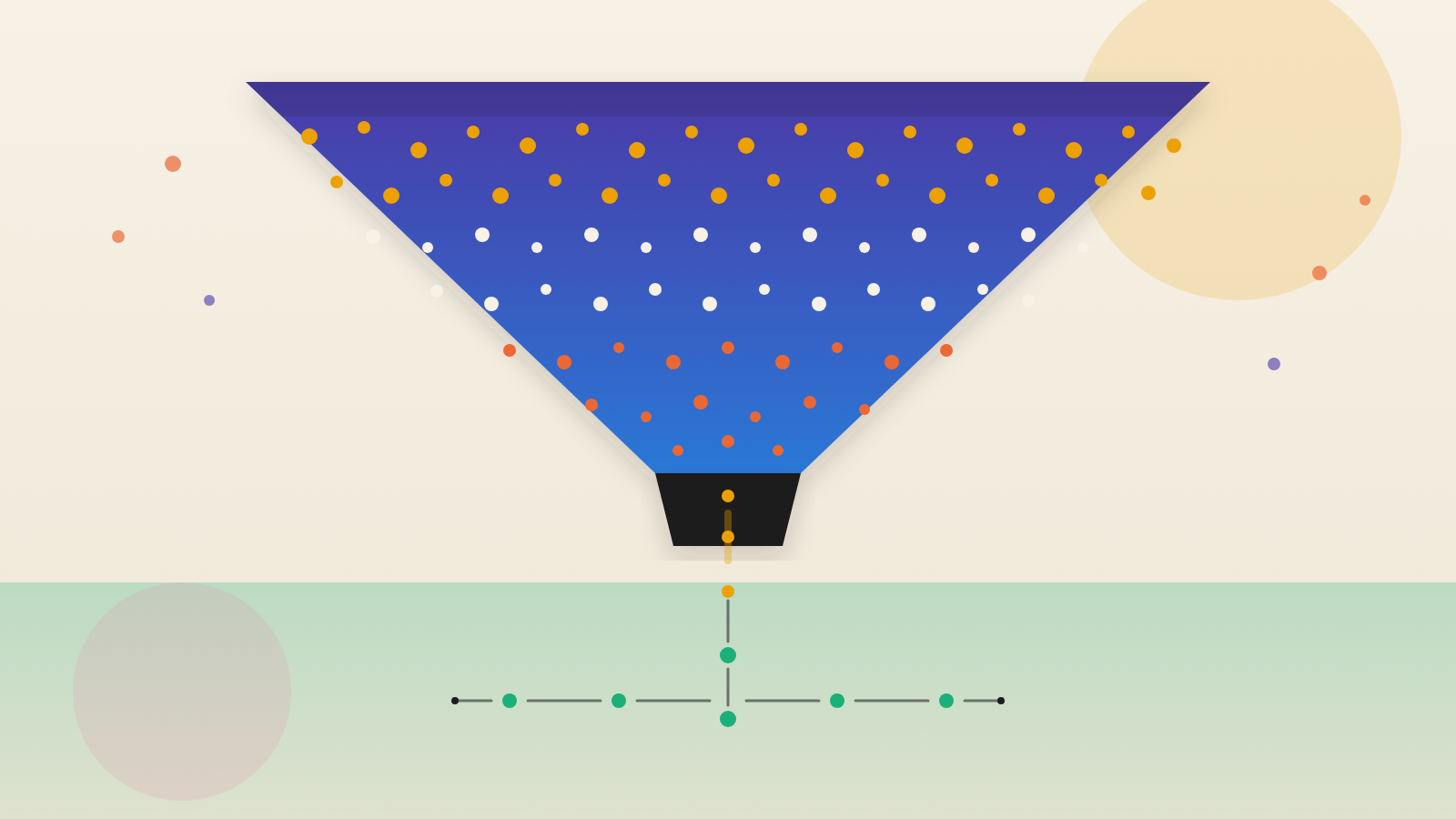
A staging environment is a copy of the live system where code is tried before release. It is meant to catch problems early. LocalStack says 97% of respondents have seen production failures that staging cannot reliably catch.
That figure counts respondents affected. It does not say what share of all failures staging misses.
The report names several causes: network problems, mismatched resource limits and quotas, drifting secrets and settings, and DNS differences. It also names failed identity and access management policies, which are the rules that decide who or what may do what.
Staging is also slow and crowded. LocalStack says 42% of respondents wait more than 10 minutes for staging to reflect each code update. Developers who share an environment often take turns pushing changes, to avoid conflicts that can crash it. Most respondents who share environments say outages interrupt their work at least weekly.
This suggests a plain problem. If more code passes through the same checkpoint, the queue plausibly grows longer.
Most teams give agents cloud access despite their worries
The report shows a gap between concern and practice. Respondents cite credential leaks, misconfigurations, higher cloud costs and production failures as worries. Yet 79% say their teams let AI agents into cloud environments used for development, testing or staging.
Human access is broad too. LocalStack says 45% of respondents report that every human developer can reach these environments.
Roles also differ. Compared with managers, developers are more worried about bugs in AI-written code and the effort of fixing them. LocalStack reads this as a sign that views of AI's impact vary by role. The people who approve the speed may see less of the friction than the people who absorb it.
Questions for your teams
Ask where code waits. How long does a change take to appear in staging, and how often does a shared environment go down?
Ask what agents can touch. Which credentials do they hold, and are those separate from production? Cloud access for an agent is a security decision, not only a convenience.
Ask which of the failure types above have already hit you: configuration drift, quota differences, DNS or access policies. Each points to a specific gap between staging and production.
Ask what you measure. Counting code written or merged says little. Counting code that is tested and released, and failures found after release, shows whether the extra output helps.
Ask the developers, not only their managers. The survey suggests their view of AI's cost differs.
Faster writing does not by itself mean faster shipping. The speed of the checkpoint sets the speed of the line.
Produced by the WebPulse Newsroom with AI assistance from the original reporting credited below, and checked against that source by our editorial review. How we use AI.
Original reporting: Help Net Security.