- A speaker on AI Engineer argued that teams should work on the harness, meaning the memory, tools and loop around a model, rather than chase frontier models.
- Our reading is that buyers should ask what surrounds the model, and the staff who review an agent's output need to understand it.
A speaker on the AI Engineer show argued that teams should spend less effort choosing a frontier model and more on the harness around it. The harness is the memory, tools and control loop that surround the model. The talk was about an agent that flags suspicious bank transactions.
What was said
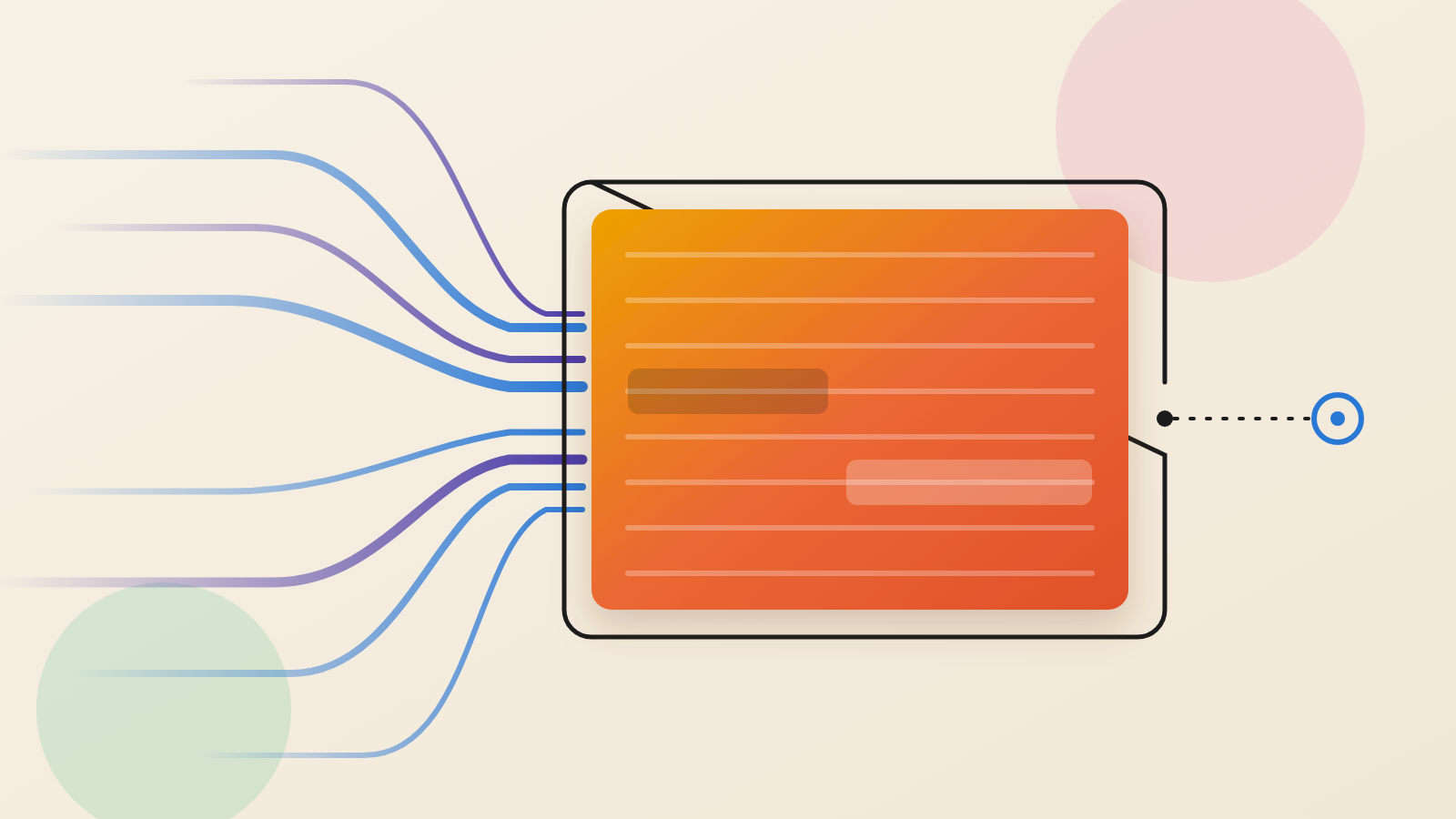
The speaker described an agent stack of four layers: the application, the model, the infrastructure and the compute. The model is the layer teams control least, especially when a third party owns it. The harness is the part they can shape. It covers tool use, memory and perception.
The speaker said agents need this extra work. A model can only hold so much in view at once, which is its context window. It also has no built-in memory. Teams must build both themselves if an agent is to run for many hours without a human.
The speaker also said that changing only the harness can make the same model do better or worse on specific tasks. They said this has been shown in some cases. They called harnesses the most interesting topic in AI because "these harnesses actually control everything that the AI agent can do."
The talk then applied these ideas to a medium-sized bank. Its agent flags suspicious transactions, so a human employee spends less time reviewing them. One example was a million-dollar deposit followed by $50,000 ATM withdrawals over three days.
Why it matters
Our reading is that a model's name alone is an incomplete answer for anyone buying or approving an agent. If the harness shapes what the agent can do, a buyer can ask other questions. What does the agent remember? Which tools can it call? How is its loop bounded?
The same reading applies to people. In the bank example, staff move from scanning transactions to judging what the agent flagged. To judge well, they need to know what the agent could see and recall. Training for reviewers may need to cover the harness, not just the output.
The other side
The speaker's focus is partly practical. The model is the part teams cannot change, so the harness is where their effort goes. That does not prove the harness matters more. The speaker said the effect has been shown only in some cases, and the excerpts cite no study.
The speaker did not dismiss models either, saying teams can still use them. The excerpts give no results for the bank agent, such as how often it was right or wrong. Nothing in them covers how a regulator would inspect a harness. The advice to buyers and regulators is our extension of the talk, not the speaker's claim.
Written by the WebPulse Newsroom with AI assistance, and checked by our editorial review: every quotation was verified against the recording's transcript. How we use AI.
The conversation this talking point comes from
- AI Engineer: Memory-Aware Agent Harnesses for Anti-Money Laundering — Nacho Martinez, Oracle (2026-10-17)