- WebPulse checked WordPress version numbers on 244 sites in the Tranco top 10,000 and found only 44% run WordPress 7.0, six weeks after its May 20, 2026 release.
- Another 52% remain on 6.x, and 11 sites run 4.x or 5.x, which no longer get security patches. NASA, CPanel and AppsFlyer are on 6.9.4.
- Sites on 4.x or 5.x are unpatched. The article says the slow upgrade shows WordPress's upgrade model is breaking down, so owners of those old versions should update.
The Version Gap
WordPress 7.0 launched on May 20, 2026 as the platform's most ambitious release — integrated AI content assistance, block-level collaboration, and a rewritten editor experience. Automattic positioned it as the upgrade that would keep WordPress competitive against modern frameworks. Six weeks after release, WebPulse scanned the Tranco top 10,000 and extracted WordPress version numbers from every site that exposed them. The result: WordPress 7.0 adoption sits at just 44%.
Of 739 WordPress sites detected in the top 10K, 244 exposed version information through meta generator tags or HTTP headers. Among those, 107 run WordPress 7.x. 126 are still on 6.x — the majority running 6.9.4, the last 6.x maintenance release. Eleven sites run WordPress 4.x or 5.x, versions that no longer receive security patches.
Who Is Not Upgrading
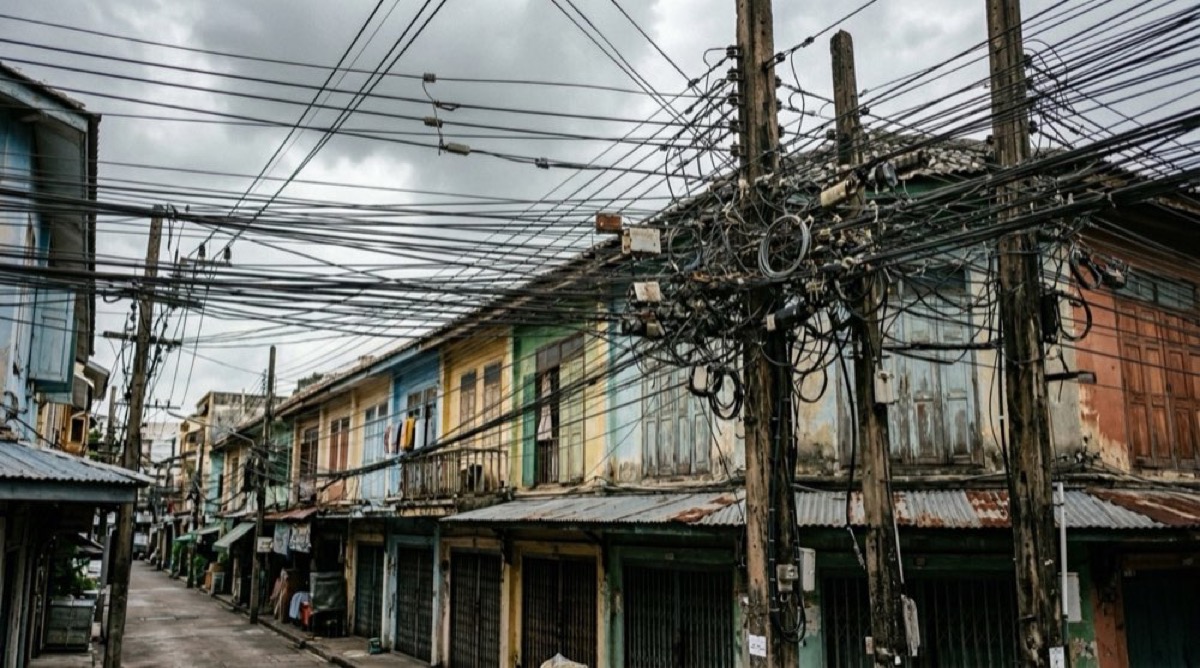
The sites running older WordPress versions are not abandoned blogs. NASA runs WordPress 6.9.4. CPanel — the server management platform used by millions of hosting accounts — runs 6.9.4. AppsFlyer, a mobile attribution platform processing billions of events, runs 6.9.4. These are organizations with engineering resources and security obligations. They are choosing to stay on 6.x.
The reasons are predictable. WordPress 7.0's AI features introduced new dependencies. The rewritten editor broke plugin compatibility. Organizations with custom themes and extensive plugin stacks face a testing burden that has no clear payoff — the AI features that motivated the release are not features that enterprise sites need. The upgrade path is effort without obvious return.
The Security Arithmetic
WordPress has accumulated 581 CVEs in the NVD core product listing. Each major version inherits the full vulnerability surface of its predecessors plus whatever new attack surface the release introduces. WordPress 7.0's AI integration added a new class of potential exposure — prompt injection through content pipelines, AI-generated content that bypasses editorial controls, and API surface for AI service connections.
For the 52% of sites still on 6.x, the calculus is straightforward: they get security patches for known vulnerabilities without absorbing the risk of a major version's new features. For the 4% on versions 4.x and 5.x, there is no calculus — those versions are end-of-life and receiving no patches at all.
What This Pattern Tells Us
The WordPress ecosystem has always had a version adoption lag, but 56% non-adoption six weeks after a major release is notable — particularly among the highest-traffic domains. The difference with 7.0 is that it asks organizations to accept AI-related complexity — and the organizations running WordPress on high-traffic domains are exactly the ones with the strictest change management processes.
Meanwhile, the framework that overtook WordPress in this same census — Next.js — deploys updates continuously. There is no major version upgrade ceremony, no plugin compatibility matrix, no theme regression testing. The architectural difference is not just technical. It is operational. WordPress 7.0 may eventually reach majority adoption. But the delay itself is the data point: the upgrade model that WordPress depends on is breaking down precisely when it matters most.