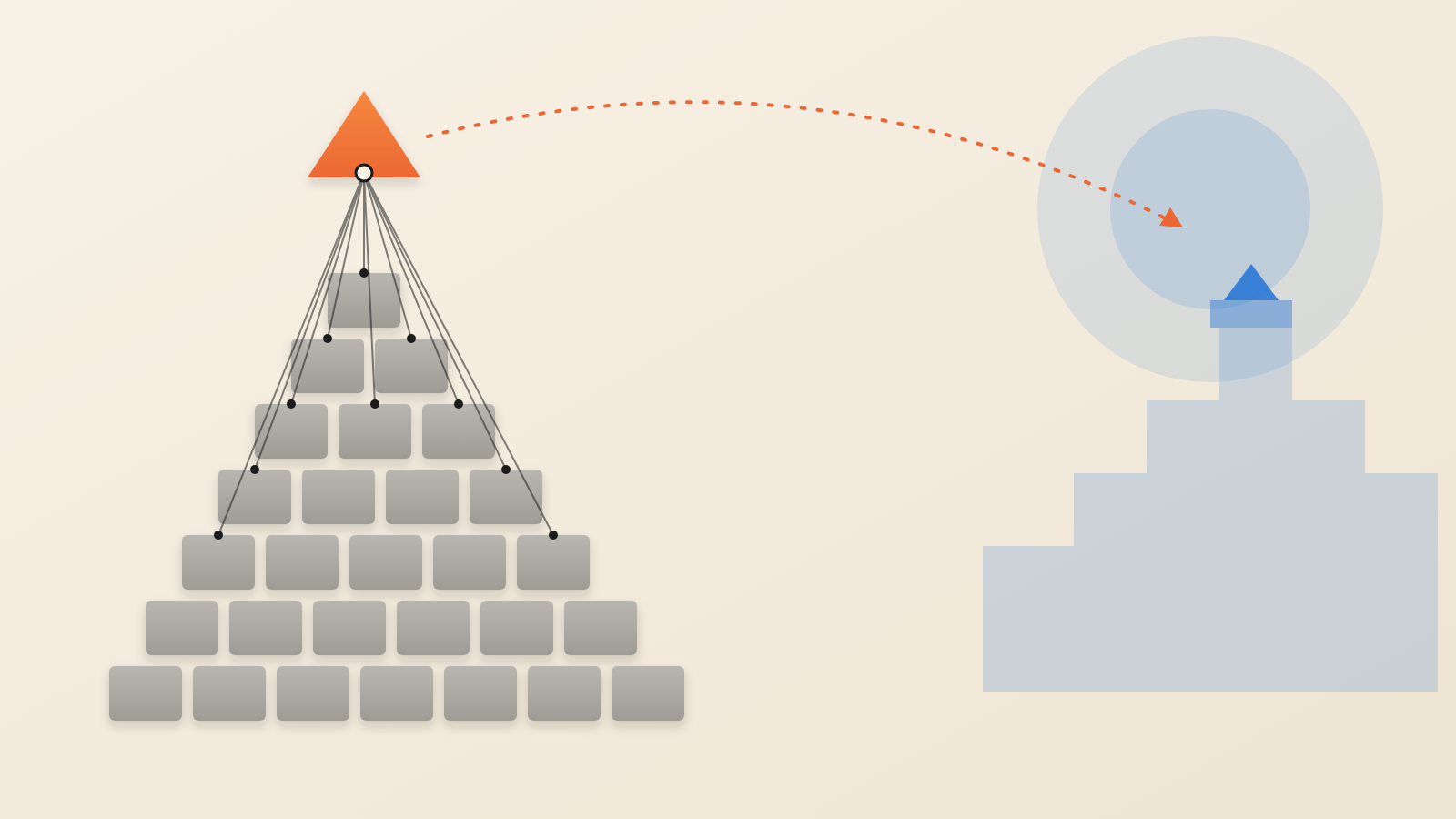
TMF allocations: $1B+ (Source: Technology Modernization Fund. Federal funding for state and agency modernization projects.)
The Spectrum
US state government digital services range from world-class to barely functional. California, New York, and Massachusetts have invested heavily in modern digital services. Rural states often run government websites on WordPress installations that haven't been updated in years.
The digital divide isn't just about websites — it's about the services those websites deliver. States with modern infrastructure can process benefits faster, serve citizens more efficiently, and respond to crises more effectively.
What We Found
Our scan of state government websites revealed a wide range of frameworks and infrastructure quality. States with larger IT budgets and dedicated digital services teams run modern frameworks. States without those resources default to WordPress or Drupal — often maintained by contractors who chose the framework a decade ago.
The Equity Dimension
When a state's unemployment system crashes during a recession — as happened across multiple states during COVID-19 — the people who suffer are the ones who most need the service. Legacy infrastructure failures disproportionately affect vulnerable populations.
Modern infrastructure isn't a luxury for wealthy states. It's a governance obligation. The cost of legacy isn't just financial — it's measured in citizens who can't access the services they're entitled to, when they need them most.
The Federal Push
The Technology Modernization Fund and other federal programs provide funding for state IT modernization. But the bottleneck isn't money — it's procurement culture. States that maintain outdated procurement processes will spend modernization money maintaining legacy, not replacing it.