- OpenAI's case study says Third Moment Research runs 10,000 agents at once on investigations lasting 36 to 48 hours, and tests whether agents can break out of their workspace.
- We argue the workspace is where control has to sit, and slow tools waste agent budget. The case study is vendor-published and reports no results from its security tests.
- Before running agents at scale, ask what each can reach outside its workspace, who tested that, and who decides when stalled work is retried or reviewed.
When one person runs one AI assistant, a mistake is a nuisance. When a lab runs 10,000 agents at once on investigations that last a day and a half or more, the workspace around them starts to matter as much as any single answer. OpenAI published a case study on October 14 about Third Moment Research. It does not prove the point, but it suggests it: as agents gain autonomy, the container they work in becomes the control that counts.
What Third Moment says it runs
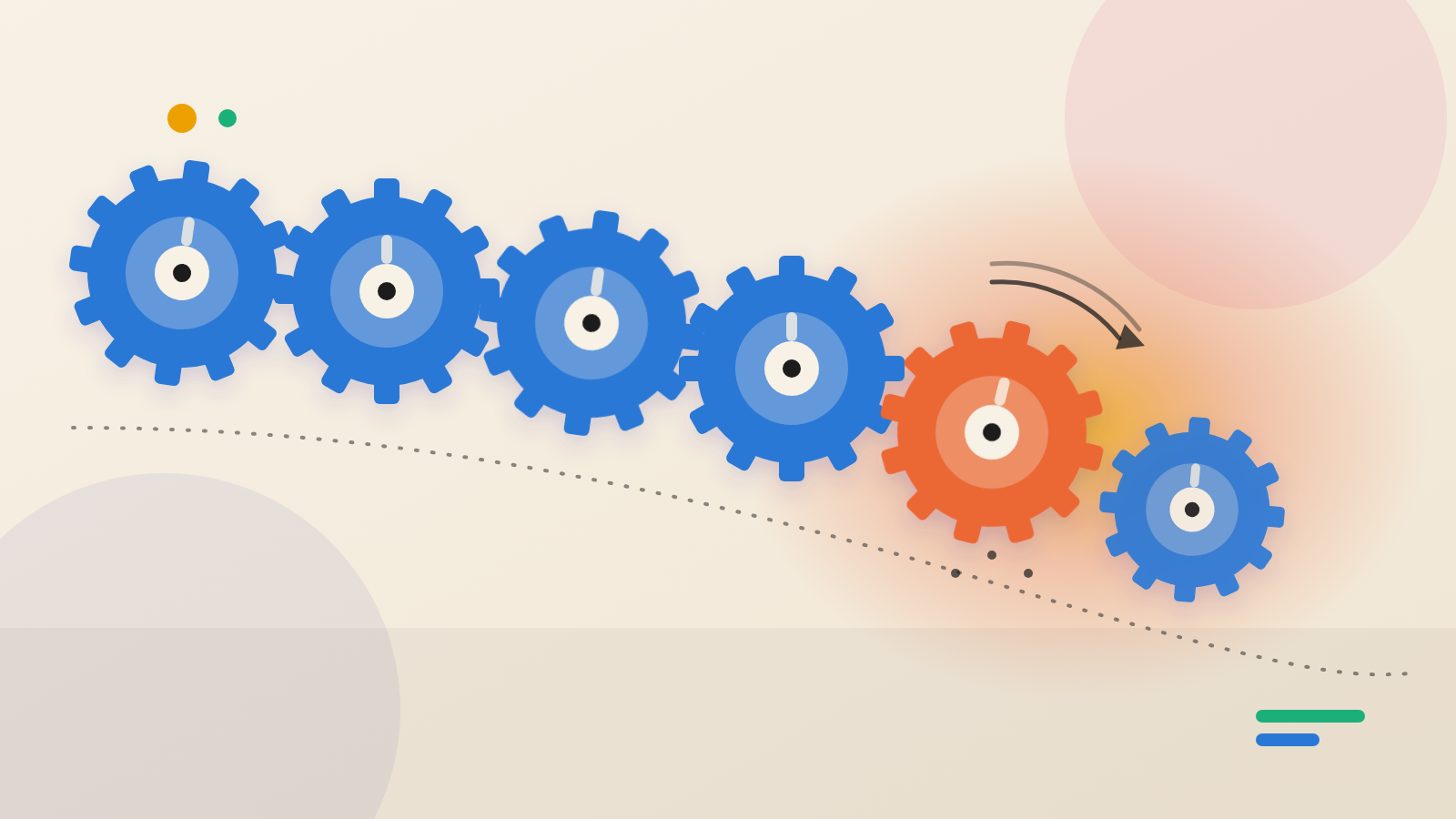
Third Moment is building a self-improving AI system. According to OpenAI, it studies how agents behave, finds their recurring weaknesses, and generates thousands of synthetic scenarios around those weaknesses. It then uses the scenarios to improve the agents and repeats the cycle.
OpenAI reports that Codex and several GPT-6 models support this work. The result is up to 10,000 agents running in parallel, with a single investigation lasting 36 to 48 hours, or a day and a half to two days. One early use is quantitative finance, where success is easy to measure.
How the setup works
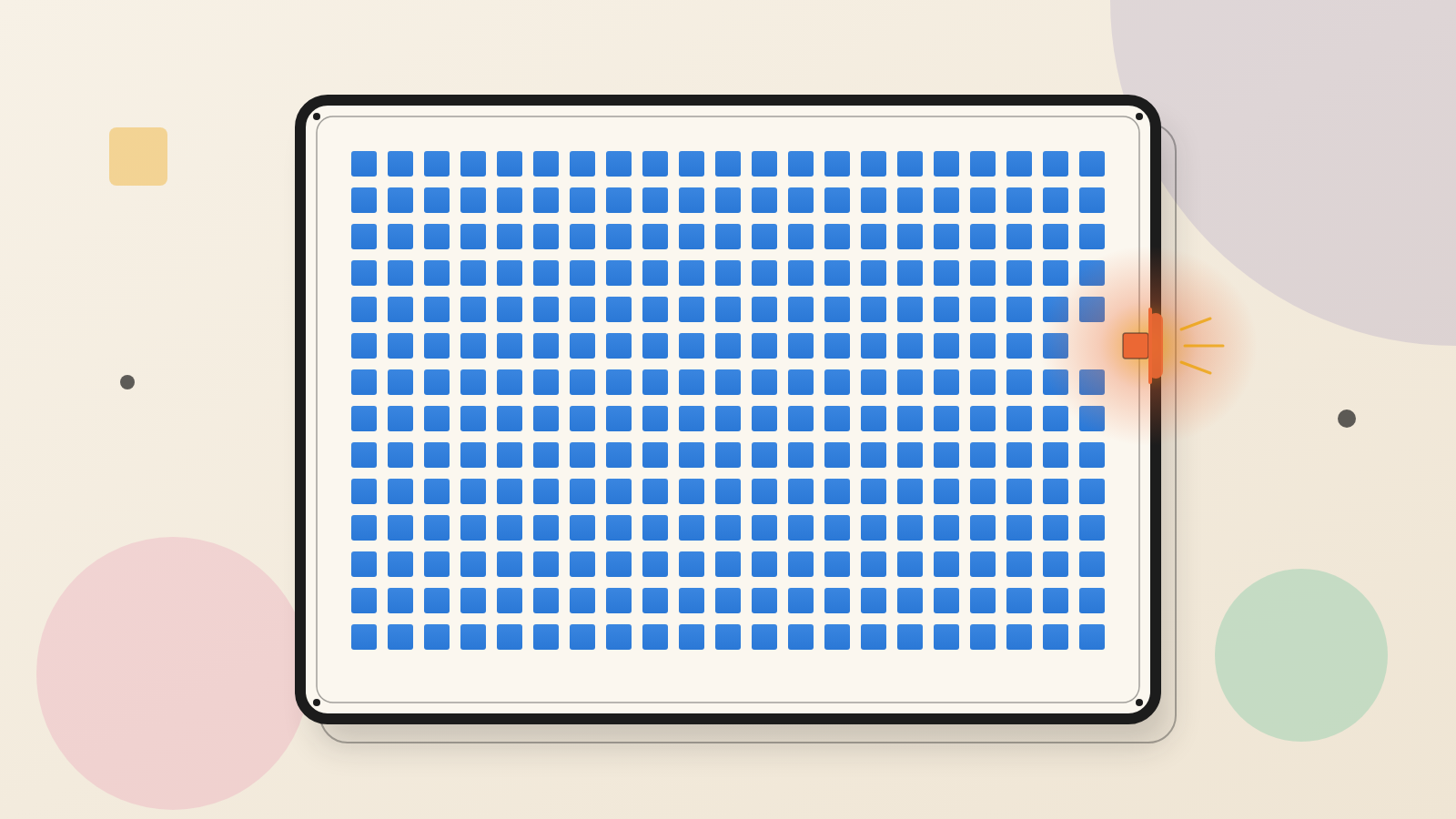
For finance research, the agents work in a Docker container, an isolated software workspace. They are given a terabyte of data, documentation and a shared research codebase. That codebase has parts for building model inputs, training models on GPUs, testing trading strategies and running simulations.
The models supply the reasoning. A tool layer, which OpenAI calls the Codex harness, lets agents act, make plans, set goals, start helper agents and shrink their own working notes as the job runs.
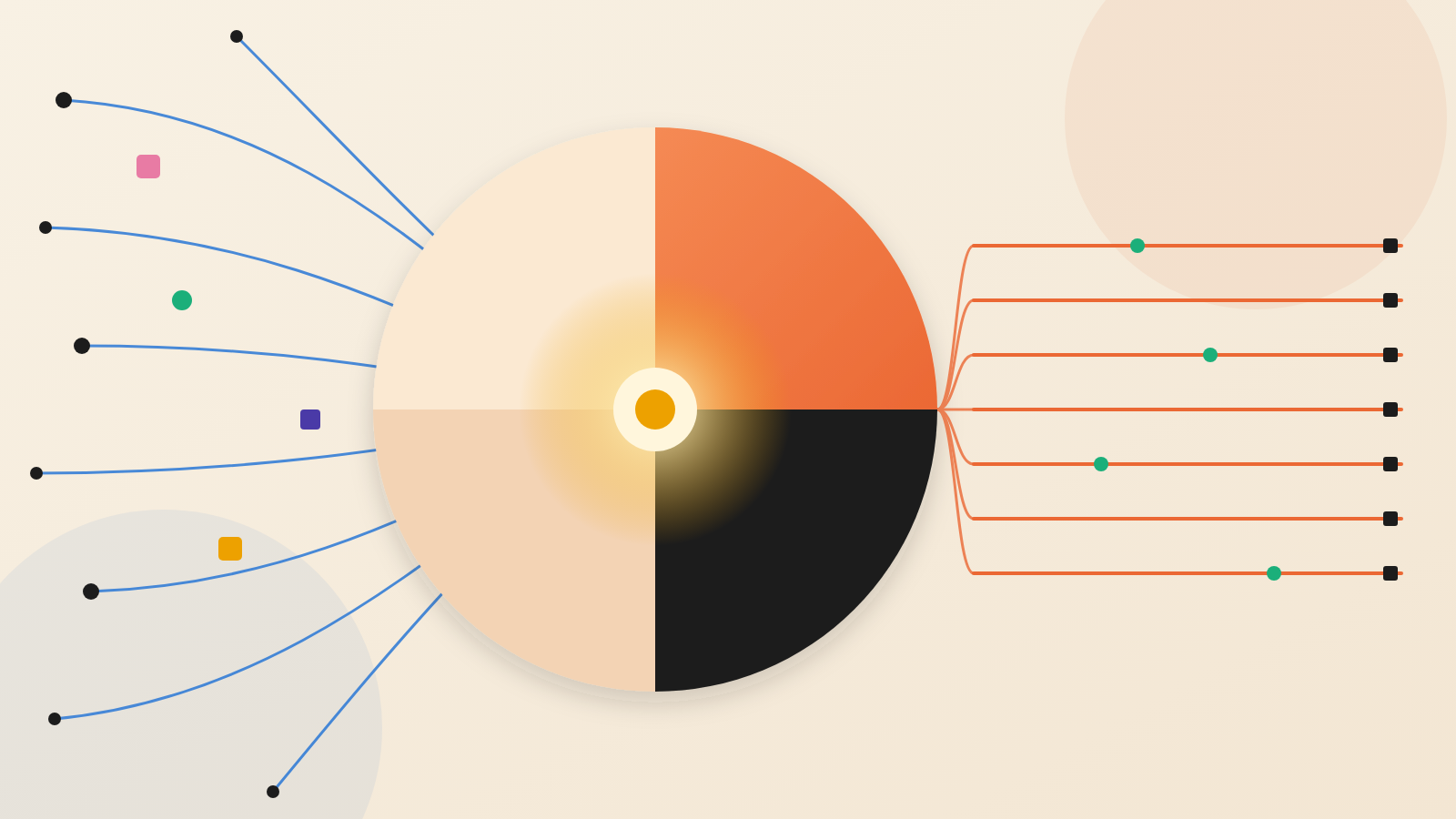
Agents sometimes stop before a task is done. Third Moment's answer is a second, outer control layer, run by GPT-6 Sol or GPT-6.1 Sol, with Codex working beneath it as a helper. If an agent halts early, the outer layer looks over the record of what the agent did. It then decides whether to try again, shut the job down or hand it to a person.
A multi-hour wait that burned tokens
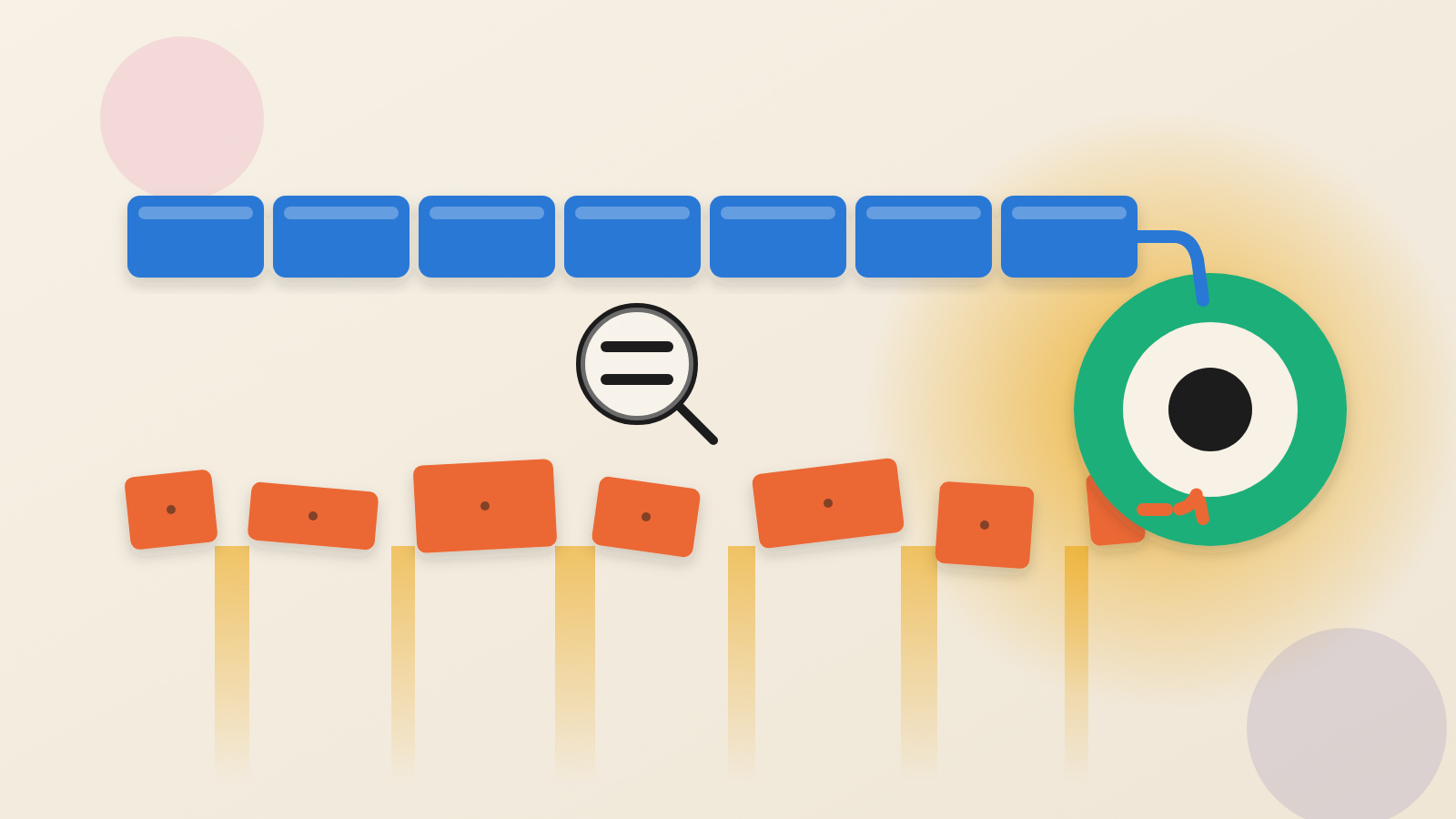
The clearest example is mundane. Backtesting, which means replaying a trading strategy on past data, was slow. Running it across a year of detailed US stock order data took hours. While they waited, agents kept checking whether it had finished. That wasted tokens, the units AI usage is billed in, and cluttered their working memory with status checks.
OpenAI says Codex spotted the problem by reading thousands of recorded runs alongside timestamps and the code. It then applied a caching change and a memory-packing technique. The test dropped from about 3 hours to about 3 to 5 minutes. OpenAI adds that this freed more of the agents' token budget for further experiments.
The lesson we draw is that agent cost is not only the price of the model. Slow tools, idle waiting and cluttered memory also use up the allowance. With many agents running, that waste adds up.
Our argument: the workspace is the control
Third Moment also uses the Daybreak cybersecurity platform before simulations launch. Its checks ask whether an agent could get out of its research environment and reach the wider network. In the words of Adam, who is quoted in the case study, agents themselves do the penetration testing on the simulation.
In our reading, this points to where security effort has to go. With people, you secure the person. With agents that run for days, you cannot read every step, so you secure the place they work. The outer layer that escalates stuck work to humans fits the same picture. Human attention becomes scarce, and it is spent on exceptions.
The case study has limits. It is published by the vendor whose models are described. It reports no findings from the break-out tests, so we do not know what, if anything, they found. It gives no incidents or risk data. The improvements to the trading system are Adam's account, with no figures given. Third Moment's plan to reach hundreds of thousands of collaborating agents is a stated goal, not a result.
Questions to put to your team
If you plan to run agents at scale, ask these questions first.
Where does each agent run, and what can it reach on your network if it leaves that space? Has anyone tested that before launch, rather than assuming the container holds? When an agent stalls or loops, who decides whether to retry, stop or review, and is that logged? And do you know how much of your agent spend goes to waiting and status checks rather than real work?
We argue that trust in agents should rest on the walls around them as much as on their output.
Produced by the WebPulse Newsroom with AI assistance from the original reporting credited below, and checked against that source by our editorial review. How we use AI.
Original reporting: OpenAI.