The Cliff
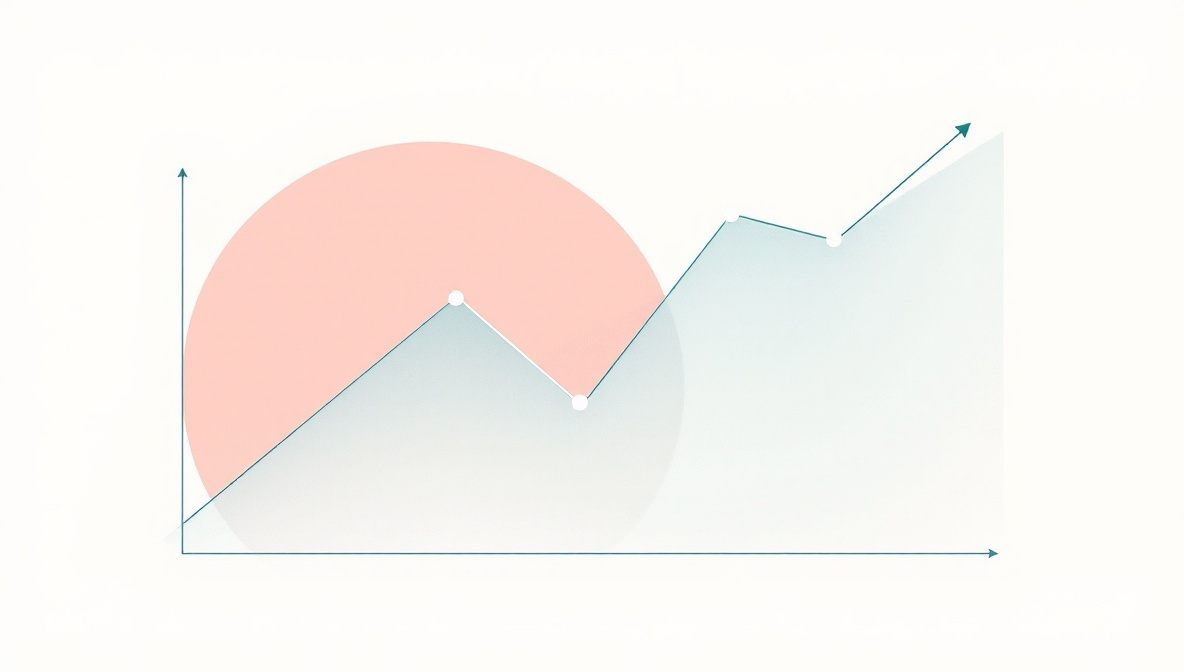
WebPulse tracks seven dimensions for each framework, scored monthly. Between April and June 2026, SvelteKit's ecosystem score fell from 78.2 to 47.0 — a 31.2-point decline. No other framework experienced a dimensional shift of this magnitude in the same period. The next-largest ecosystem decline was FastAPI at -18.0 points (85.0 to 67.0). SvelteKit's drop was nearly double.
The overall score declined from 77.9 to 73.0 — a 4.9-point drop. But the overall score smooths across all seven dimensions, masking the severity of the ecosystem collapse. When you isolate the ecosystem dimension, SvelteKit fell from 5th place to 17th — below Drupal (65), Django (60), and just above SvelteKit's own previous floor. The framework that developers love is losing its ecosystem momentum.
What Ecosystem Score Measures
WebPulse's ecosystem dimension is not a popularity contest. It measures the health of the surrounding infrastructure: package ecosystem breadth, library availability, hosting platform support, enterprise tooling, and commercial adoption signals. A high ecosystem score means that when a developer chooses this framework, they find mature libraries for common tasks (auth, payments, CMS, analytics), commercial hosting optimized for it, enterprise support options, and a hiring market for developers with the skill.
SvelteKit's ecosystem has always been smaller than React's or Vue's. But 78 was a healthy score — indicating a growing, viable ecosystem. The drop to 47 indicates that growth has stalled and adoption signals have weakened. At 47, the ecosystem score sits between Magento (30) and Vue (70) — territory that suggests a framework losing ecosystem traction, not gaining it.
The Dimensions That Didn't Move
SvelteKit's other dimensions tell a different story. Security: 92 (excellent). AI-readiness: 85 (strong). Developer experience: 80 (strong). Performance: 65 (average). Market trajectory: 50 (flat). Cost of ownership: 75 (good). The technical quality of SvelteKit has not declined. The framework itself is not worse. What has changed is the ecosystem's ability to sustain growth against larger competitors.
This pattern — strong technical scores, declining ecosystem — has a historical precedent. Gatsby followed the same trajectory: excellent developer experience, innovative architecture (GraphQL data layer), strong initial adoption, then ecosystem stagnation as Next.js absorbed its use cases. Gatsby's current scores: security 100, ecosystem 47. SvelteKit's ecosystem just hit the same number.
The GitHub Signal
SvelteKit's GitHub data provides context. Zero commits were counted in the last year (a data collection artifact — Svelte's monorepo structure means SvelteKit commits are attributed to the parent Svelte repository). But 50 releases in the last year confirms active development. PR merge time of 1.7 days is healthy — faster than Nuxt (3.8 days) and comparable to Laravel (1.8 days). The development velocity is not the issue. The market adoption velocity is.
SvelteKit has 20,579 GitHub stars. For comparison: Next.js has 140,034. Nuxt has 60,456. Astro has 60,207. The star count is not destiny, but the ratio matters for ecosystem health. Library authors choose which frameworks to support based on addressable market. A library that supports Next.js reaches 7× more developers than one that supports SvelteKit. As the ecosystem dimension reflects, that gravitational pull is real.
What This Means
SvelteKit is not dying. Its technical foundations are strong, its security posture is excellent, and its developer experience scores remain high. But the ecosystem data reveals a framework that is no longer gaining ground — one that developers choose because they love it, not because the ecosystem demands it. In enterprise decisions, ecosystem breadth matters more than developer experience. The hiring market, the library availability, the hosting support, and the commercial tooling determine whether a framework is viable for production at scale. SvelteKit's 31-point ecosystem decline is a signal that these enterprise adoption factors are moving away from it, even as the framework itself improves.