One Line of Code, 29 Years of Exposure
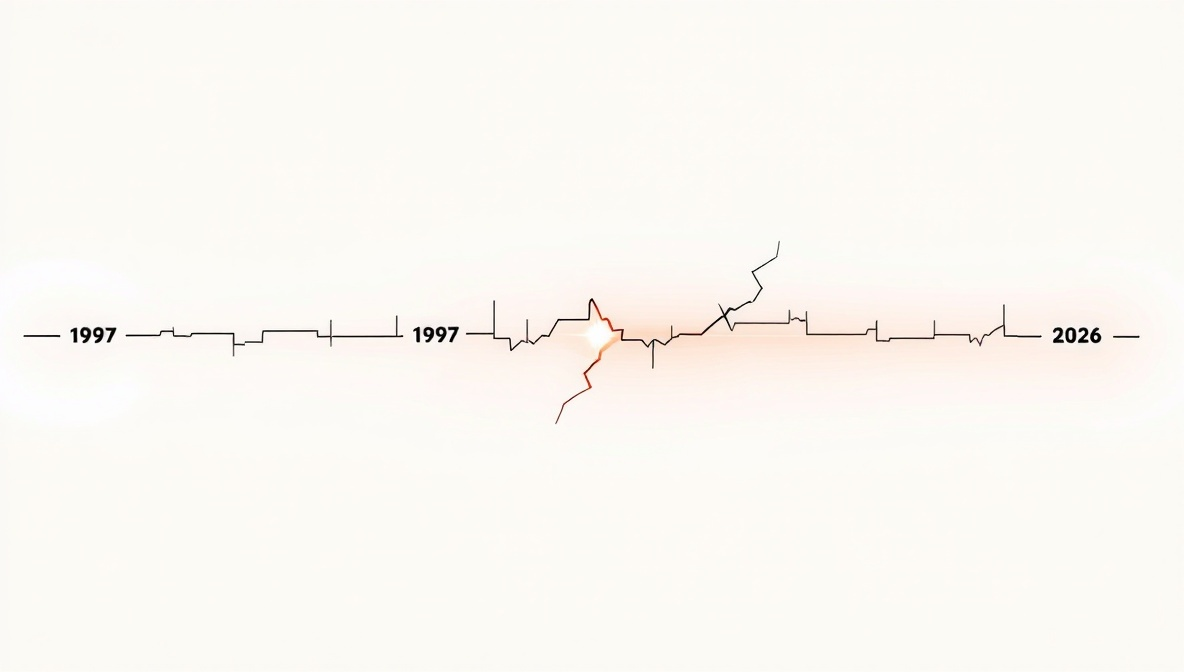
Squid Proxy has been a foundational piece of internet infrastructure since the mid-1990s. It sits between users and the web, caching and forwarding HTTP traffic for enterprises, ISPs, and CDN providers worldwide. On June 23, 2026, researchers disclosed Squidbleed (CVE-2026-47729): a heap buffer overread in Squid's FTP gateway handler that has been present in the codebase since 1997.
The vulnerability is a one-line bug with a one-line fix. In its default configuration, Squid is vulnerable. An attacker can trigger the overread to leak sensitive data from the proxy's memory — HTTP Authorization headers, cookies, session tokens, and credentials from other users sharing the same proxy. The comparison to Heartbleed is direct and deliberate: same class of bug, same type of data exposure, same ubiquity of the affected software.
AI Found What Decades of Review Missed
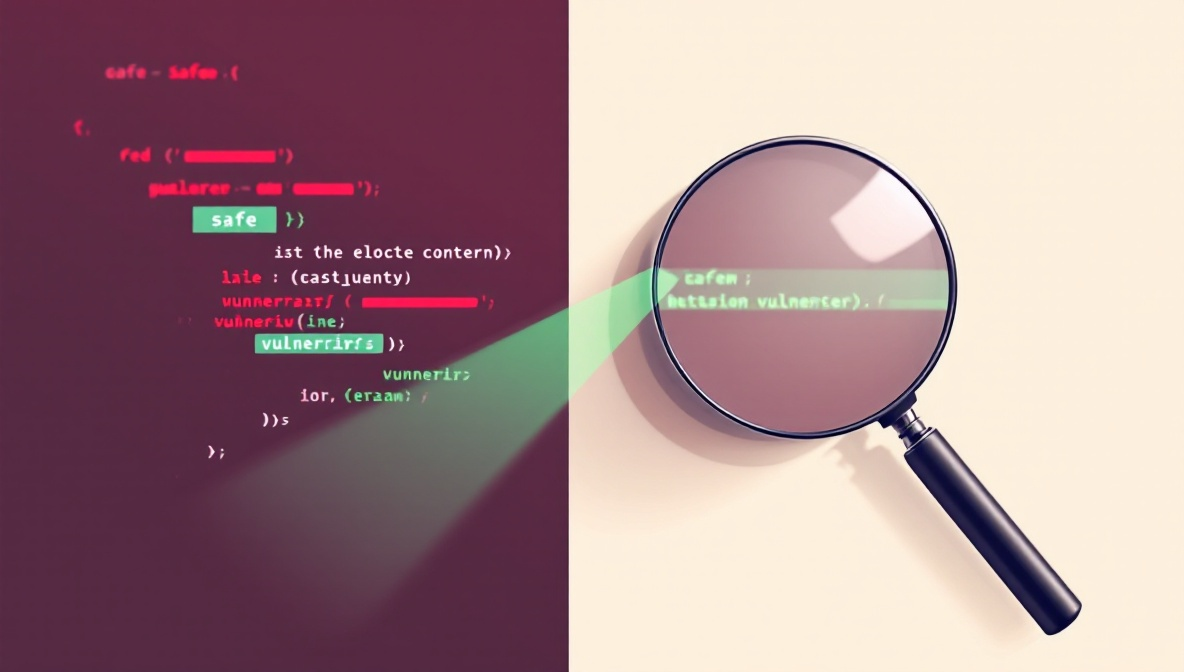
The disclosure notes that Claude AI assisted in the discovery. This detail is easy to overlook but it is the most significant part of the story. Squid's codebase has been reviewed by security researchers, open-source contributors, and static analysis tools for nearly three decades. The bug persisted through all of it — not because it was complex, but because it was mundane. A bounds check error in a rarely examined FTP gateway path.
AI-assisted code auditing does not find bugs that are theoretically difficult. It finds bugs that are practically invisible — buried in legacy code paths that human reviewers skip because the code 'has always worked.' This is exactly the class of vulnerability that WebPulse's AI-Readiness scoring is designed to surface. Frameworks and infrastructure with large legacy codebases and low contributor density are the most likely to harbor 29-year-old bugs that no one has examined recently.
The Default Configuration Problem
Squidbleed is exploitable in Squid's default configuration. No special setup, no unusual features enabled, no edge-case deployment. If you run Squid, you are likely vulnerable. This is the same pattern WebPulse documents across web frameworks: default configurations that prioritize compatibility over security. WordPress ships with XML-RPC enabled by default. Joomla ships with its API endpoint exposed. Squid ships with its FTP gateway handler active.
Patches are available. The fix is one line. But the disclosure raises a question that every organization running legacy infrastructure should ask: what other one-line bugs are sitting in code that was written before the current security team was hired?
What This Means for Framework Security
WebPulse tracks 22 frameworks with varying codebase ages. WordPress's core dates to 2003. Drupal to 2001. Joomla to 2005. Rails to 2004. Django to 2005. Each carries decades of accumulated code, not all of which has been audited to modern standards. Squidbleed demonstrates that codebase age is not just a maintenance cost — it is a security cost. Every year a legacy codebase runs without comprehensive AI-assisted auditing is a year where a one-line bug continues to leak data.
The frameworks scoring highest on WebPulse's AI-Readiness dimension — Astro, FastAPI, HTMX, SvelteKit — share a common trait: they are young enough that their entire codebases were written in an era of modern security awareness. They do not carry 29 years of unaudited FTP gateway code. For CTOs evaluating infrastructure risk, codebase age just became a first-order security metric.