- Eli Cohen of Snyk argued that AI coding agents raise risk twice: more insecure code ships, and attackers use similar models to exploit it fast.
- He said a fix backlog cannot keep up, and that testing a few times a year leaves most days uncovered.
Eli Cohen of Snyk made a two-sided argument on the AI Engineer show. AI coding agents help teams ship far more code, and much of it is insecure. Attackers use similar models to exploit weaknesses within minutes. In his view, the list of unfixed security problems grows faster than any team can clear it.
What was said
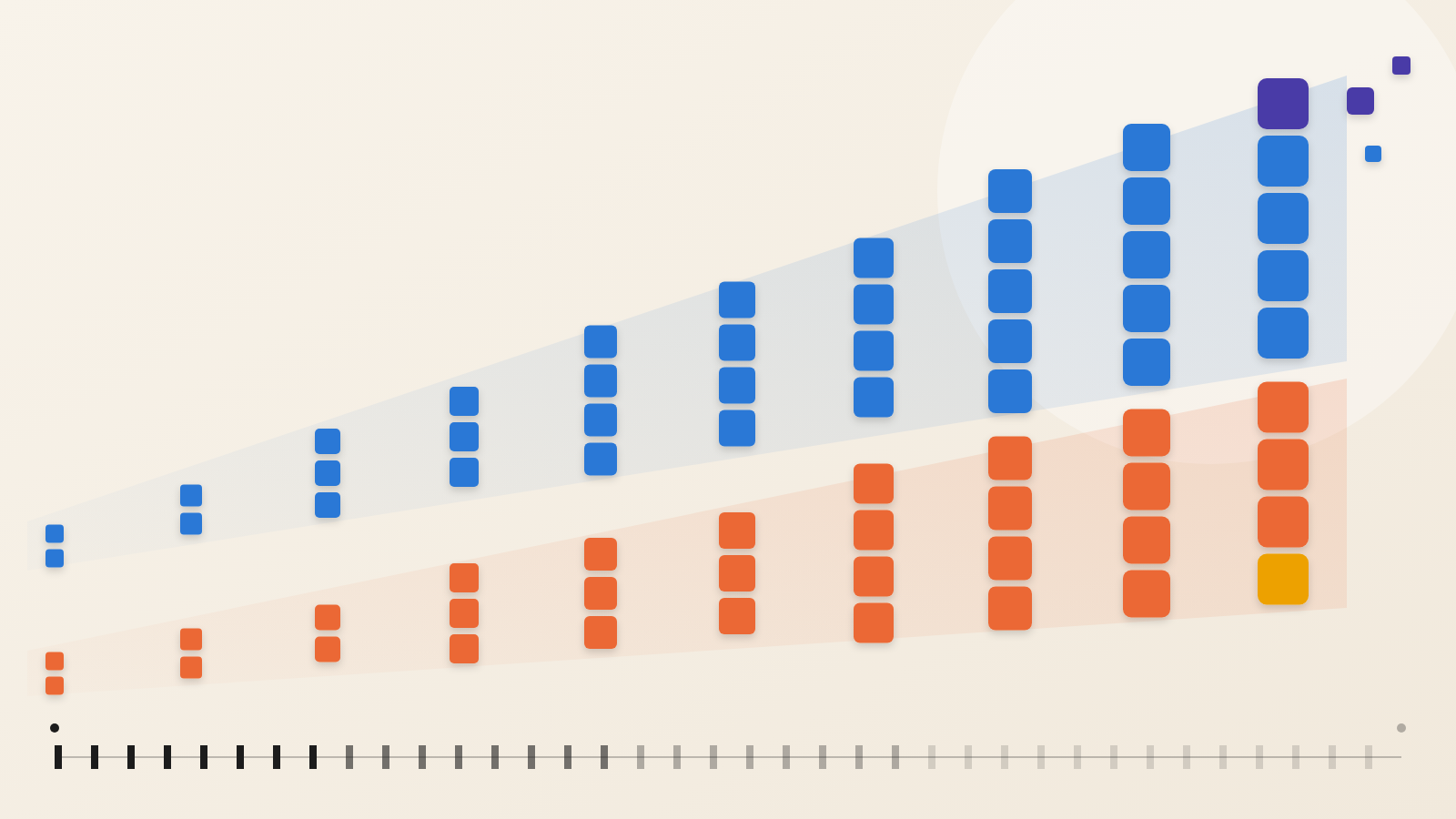
Cohen started with volume. Citing Snyk's own data, he said developers now write 218% more lines of code than before, and more than 85% use coding agents.
Then he turned to quality. He said "62% of the output generated by LLMs is not secure or it's broken." More code, much of it flawed, means the backlog of security issues grows.
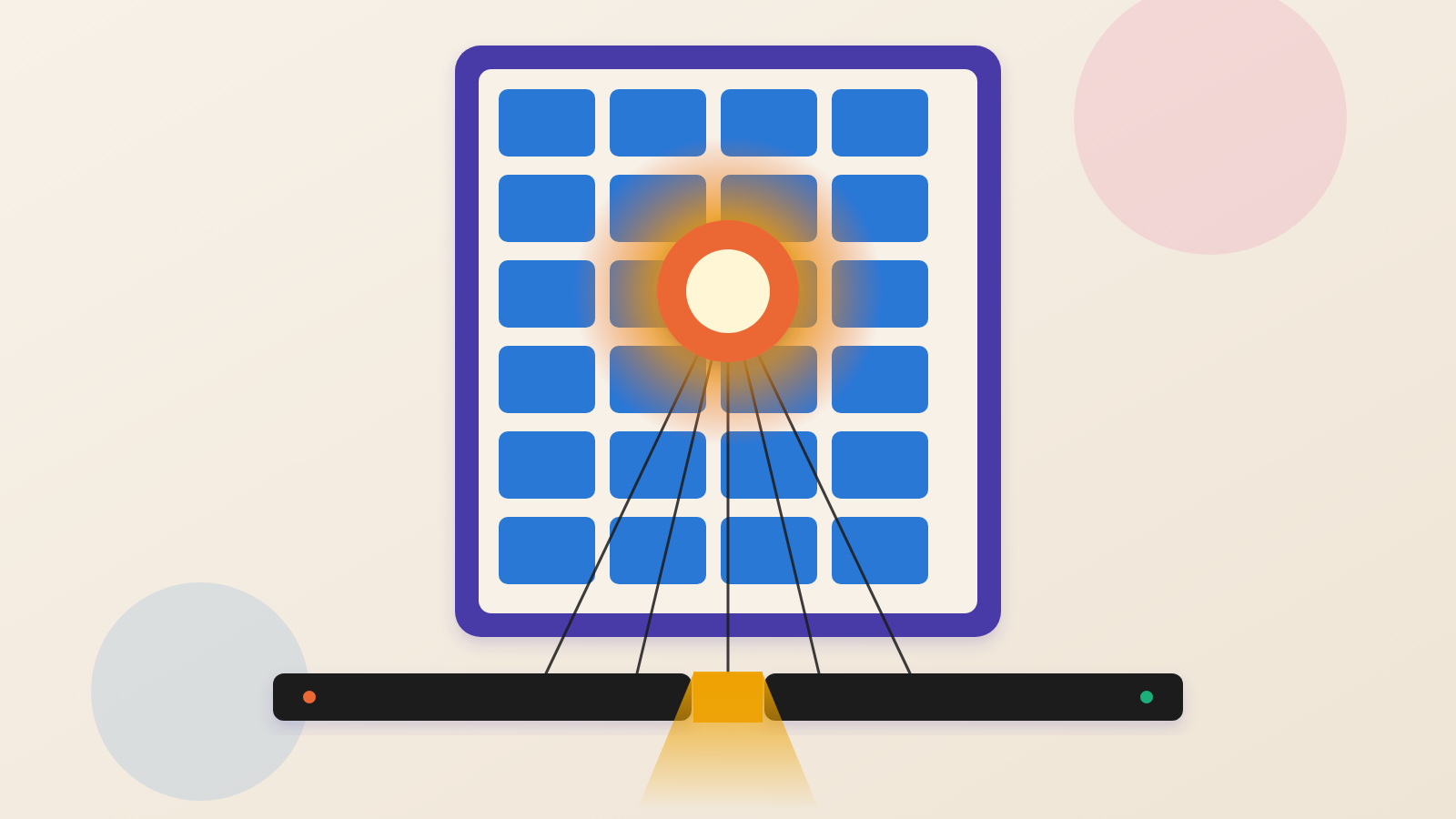
He also explained why older checks leave gaps. A static scan reads code as it is committed and looks for known patterns, such as SQL injection. It is cheap to run on every change. But it cannot see problems that appear only when the app runs, like who may see which data. His example was broken object level authorization, where user A can read user B's data. Catching that needs dynamic testing, which probes the live app. The episode notes add that dynamic testing misses business logic, the rules particular to one company's software. Human pen testers, hired teams that simulate an attack, grasp that logic. But the notes call them expensive and say they work only a few times a year.
Attackers, he said, gain from the same tools. They use models to chain several low-severity flaws into one critical flaw. They also aim at application context, where he said code-writing models make the most mistakes.
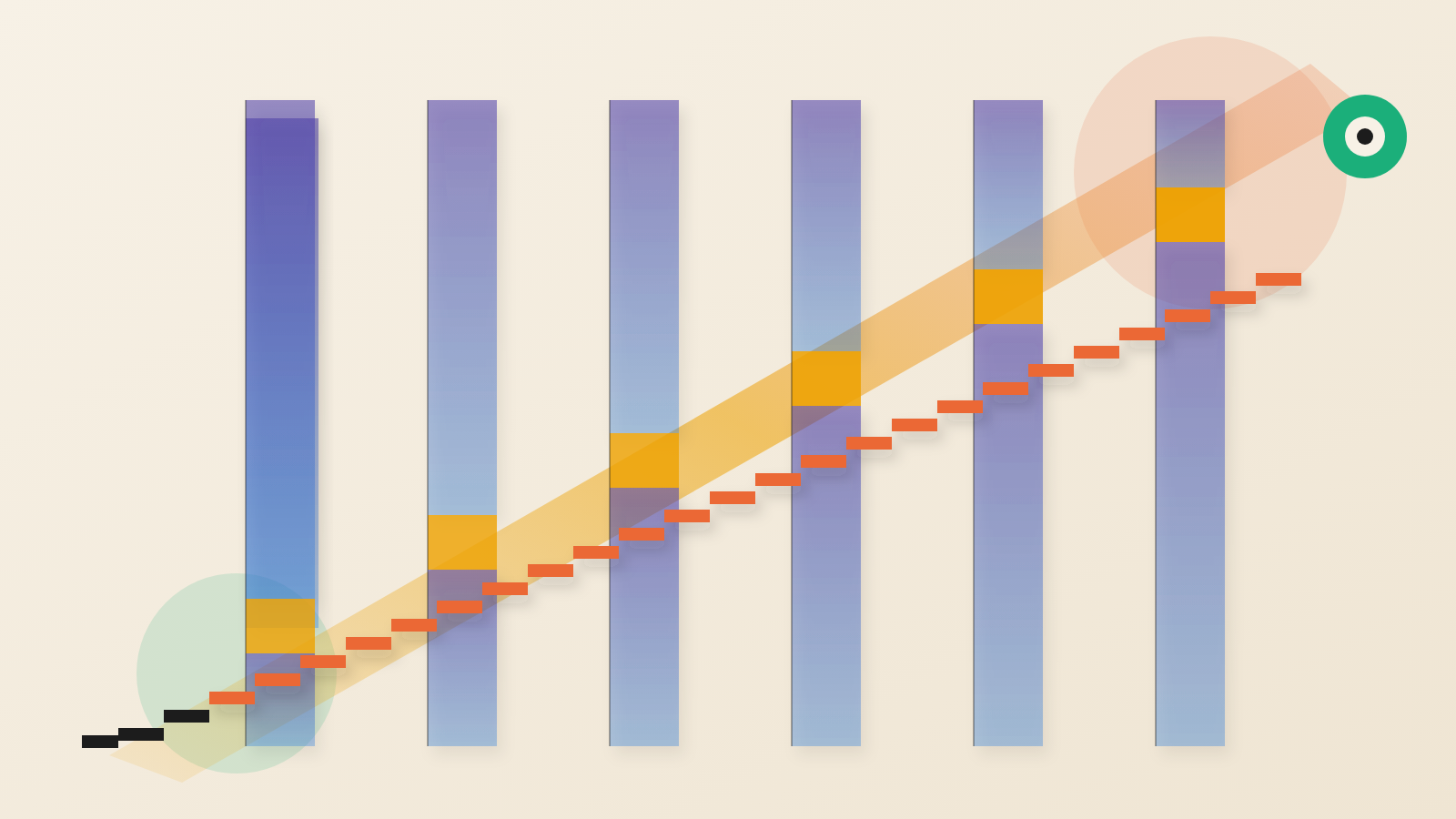
On speed, he cited 34 minutes as the average for a successful AI attack, and four minutes as the fastest. He asked what covers the other 350 days of the year when an app is tested once or twice. He also said 43% of MCP servers, the connectors that let agents reach other software, have vulnerabilities.
Why it matters
Our reading: the number to watch is the gap between how fast code ships and how fast flaws get fixed. Cohen's mechanism shows why that gap is hard to close. The flaws scanners miss, such as authorization and business-logic errors, are the ones he said models get wrong most. Small flaws can also be chained into a serious one.
For buyers and engineering leaders, the practical question is whether review scales with output. Cohen's answer was to test every code change, not on a calendar. Leaders can ask whether their own checks keep pace with what their agents produce.
The other side
Cohen works for a company that sells the remedy he described, an AI pen-testing product called Evo. That gives him a stake in the argument.
The excerpts also leave questions open. They do not say how the 62% figure was measured, or what counted as a successful attack in the 34-minute average. His fix, testing every code change with AI agents, was described but not backed with results here.
He also said an LLM is only as good as the context it gets. That limit applies to defensive tools too, and the talk did not settle how well they cope with it.
Written by the WebPulse Newsroom with AI assistance, and checked by our editorial review: every quotation was verified against the recording's transcript. How we use AI.
The conversation this talking point comes from
- AI Engineer: AI Hackers Are Faster Than Your Pen Test — Eli Cohen, Snyk (2026-10-07)