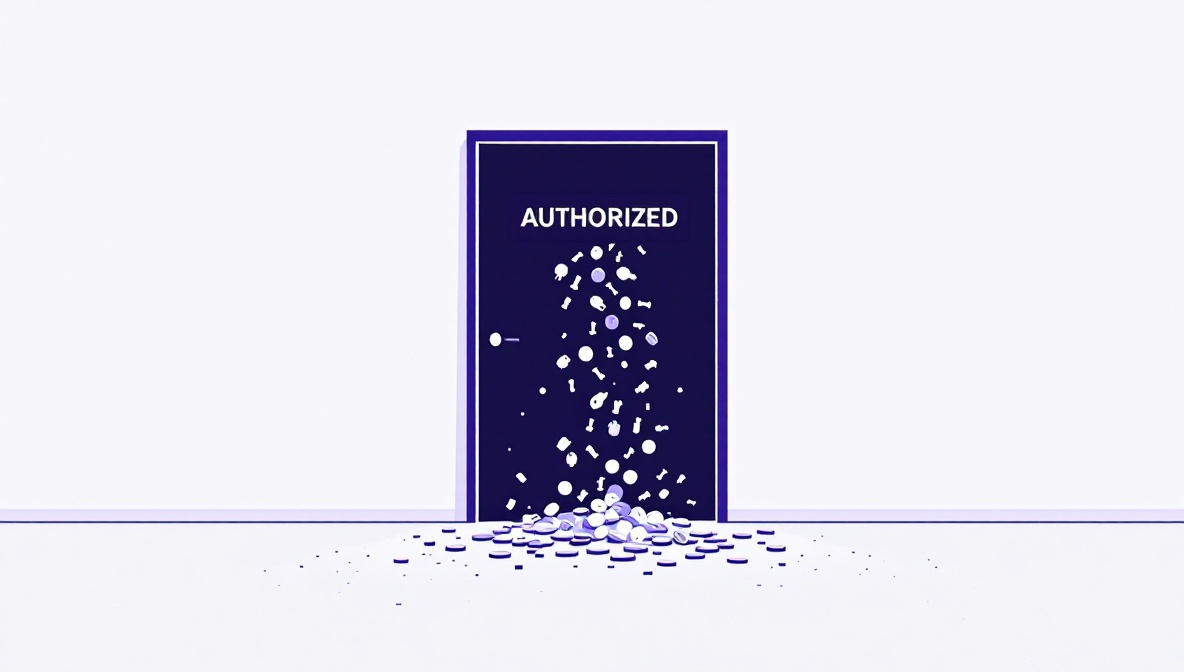
Not a Plugin Vulnerability. A Pipeline Compromise.
On June 23, 2026, Wordfence disclosed that three ShapedPlugin Pro plugins — Smart Post Show Pro, Product Slider for WooCommerce Pro, and Real Testimonials Pro — had been shipping backdoored updates through their official distribution channels. This is not a code vulnerability in a plugin. It is a supply chain attack: the attacker compromised ShapedPlugin's build pipeline and injected credential-stealing malware into legitimate plugin updates that site owners installed through normal update workflows.
Product Slider for WooCommerce Pro received a CVSS score of 10.0 — the maximum possible. The other two plugins scored 9.8 (CVE-2026-10735). Over 400,000 WordPress sites run at least one ShapedPlugin product. Every site that installed a Pro update during the compromise window received the backdoor through the same update mechanism they trust for security patches.
What the Malware Does
The injected code is designed for stealth and persistence. It hides from the WordPress admin panel — site owners cannot see the compromised files through the standard plugin editor. It installs webshells that provide persistent remote access even if the plugin is updated or deactivated. It steals credentials including two-factor authentication secrets. And it phones home to attacker-controlled infrastructure for command-and-control.
Critically, only the Pro versions distributed through ShapedPlugin's own Easy Digital Downloads (EDD) infrastructure were affected. The free versions hosted on WordPress.org were clean. This distinction matters: it means the WordPress.org plugin repository was not compromised. The attack targeted the vendor's commercial distribution channel — a vector that no centralized security review covers.
The Supply Chain Pattern WebPulse Has Been Tracking
This is the third major WordPress supply chain incident WebPulse has documented in 2026. The pattern is consistent: attackers are not finding new zero-days in WordPress core. They are compromising the ecosystem around it — plugin vendors, commercial distribution channels, theme marketplaces. WordPress core's 90 contributors can patch core vulnerabilities. They cannot secure the build pipelines of every independent plugin developer in the ecosystem.
WebPulse tracks 18,335 CVEs across the WordPress ecosystem. The ShapedPlugin compromise adds to this count, but its significance is not in the number. It is in the vector. A CISO who has locked down WordPress core, enabled auto-updates, and runs a WAF is still vulnerable if a trusted plugin vendor's build system is compromised. The update mechanism itself becomes the attack vector.
What This Means for the 7.4 Million
WebPulse's Common Crawl analysis detects 7,427,780 WordPress sites across the public web. Each one is a node in a dependency graph that extends far beyond WordPress core — into plugins, themes, mu-plugins, and drop-in replacements, each with their own maintainers, build systems, and distribution channels. ShapedPlugin's compromise demonstrates that the WordPress security perimeter is not WordPress. It is every vendor whose code runs inside WordPress.
For every CTO running WordPress in production: the question is no longer whether your WordPress installation is up to date. It is whether you can verify the integrity of every plugin update before it executes on your server. If the answer involves trusting the vendor's distribution channel, ShapedPlugin just demonstrated what that trust is worth.