- Karthic Rao argued that in regulated work the key design choice is where fixed rules end and model judgment begins.
- His system lets models interpret and judge, while deterministic code controls what runs, what is recorded and any action in the world.
Karthic Rao of Perpetual argued on the AI Engineer podcast that finance, wealth and insurance firms are asking the wrong question. The issue is not how much freedom an AI agent gets. It is where fixed rules stop and model judgment starts.
What was said
Rao started with a simple instruction: fill out a form for Mr. Harper. In practice that means picking the right household, finding missing facts, contacting the client, waiting, following up and keeping evidence. It can take days and cross several systems.
A fixed flowchart breaks when the request is ambiguous, such as which Harper is meant. An agent that improvises fails differently. In Rao's words, "One breaks on ambiguity, the other can't be signed off."
His answer is to split the work. Deterministic code controls what runs next, what the firm knows and how it knows it, and anything that changes the world, such as a record written or an email sent. The model only answers small, typed questions, like whether a client's reply is complete.
A planner model turns the request into a structured plan. A compiler that never calls a model then checks it against 42 typed action contracts. If an action is not in that list, the compiler refuses. If the request does not say which Harper, the system asks for clarification instead of choosing one. Side effects get no automatic retries. Unclear outcomes go to manual review. Rao summed it up: "The model steers. It never drives."
Why it matters
Our reading: this turns a vague compliance worry into something a buyer can inspect. Instead of trusting that a model will behave, you can ask what it is physically able to do.
When software fails in a regulated firm, the damage lands on a client's record, a wrongly sent email or a filed form. Those costs fall on people outside the vendor. Rao's design puts every such action behind a gate, with evidence kept. Leaders buying agent products can ask vendors where that boundary sits and who can change it.
The other side
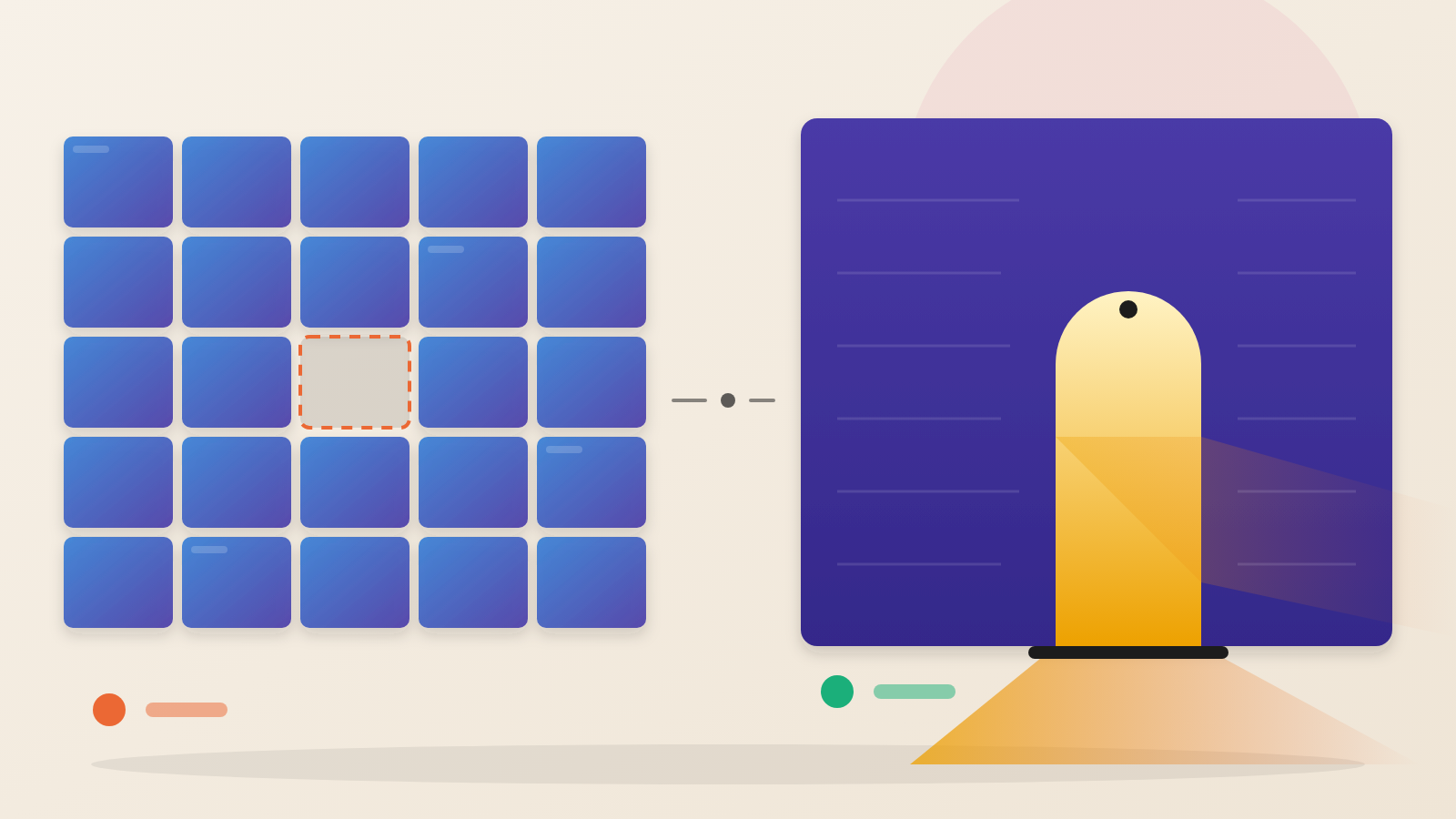
This is a builder describing his own system, and the excerpts offer no outside results. The figure of about 95% of model decisions needing no frontier model is a design target. It was shown through an illustrative run of 20 decisions, where 19 went to a small model.
Rao also said the training loop that would shrink the frontier share is still to come. Logging and evaluations exist today. The excerpts do not say how often the system asks for clarification or refuses a request, or what that costs in speed. A list of approved actions is also only as good as the firm that writes it.
Written by the WebPulse Newsroom with AI assistance, and checked by our editorial review: every quotation was verified against the recording's transcript. How we use AI.
The conversation this talking point comes from
- AI Engineer: Reliable, Smart Workflows for Finance, Wealth and Insurance — Karthic Rao, Perpetual (2026-10-12)