- OpenSSF approved Privateer as a Sandbox project. It runs rule-based security checks first, then optionally asks an AI model to review written evidence.
- The design matters because uncertain results go to a person as 'Needs Review'. OpenSSF says the findings do not independently determine legal compliance.
- Before adopting AI-assisted compliance tools, ask what the tool does with cases it cannot settle, and who signs off.
The useful part of AI is knowing when to stop
A common question about AI in security is how much work a model can take over. OpenSSF announced a project called Privateer on October 13. It asks a different question: where should the model stop?
The lesson here is that a trustworthy AI step is defined by its limits. A tool that answers every question with confidence is not more useful. It hides the cases where a person should have looked.
What OpenSSF announced
OpenSSF approved Privateer as a Sandbox project under its ORBIT Working Group. Privateer is a plugin-based tool. It checks security and compliance in source code, repository settings and deployed systems.
Compliance work is where this matters. Security frameworks such as the OSPS Baseline, and laws such as the EU Cyber Resilience Act (CRA), ask teams to prove their security habits.
Much of that proof is written by people. Think of security policies, governance documents and setup files. OpenSSF says scanners built on fixed rules often struggle with this kind of material.
OpenSSF says maintainers often face three weak choices. They can review by hand, which is slow. They can use rigid tools that fail on free-form documents. Or they can accept an AI's opinion with nothing to back it.
How the three layers work
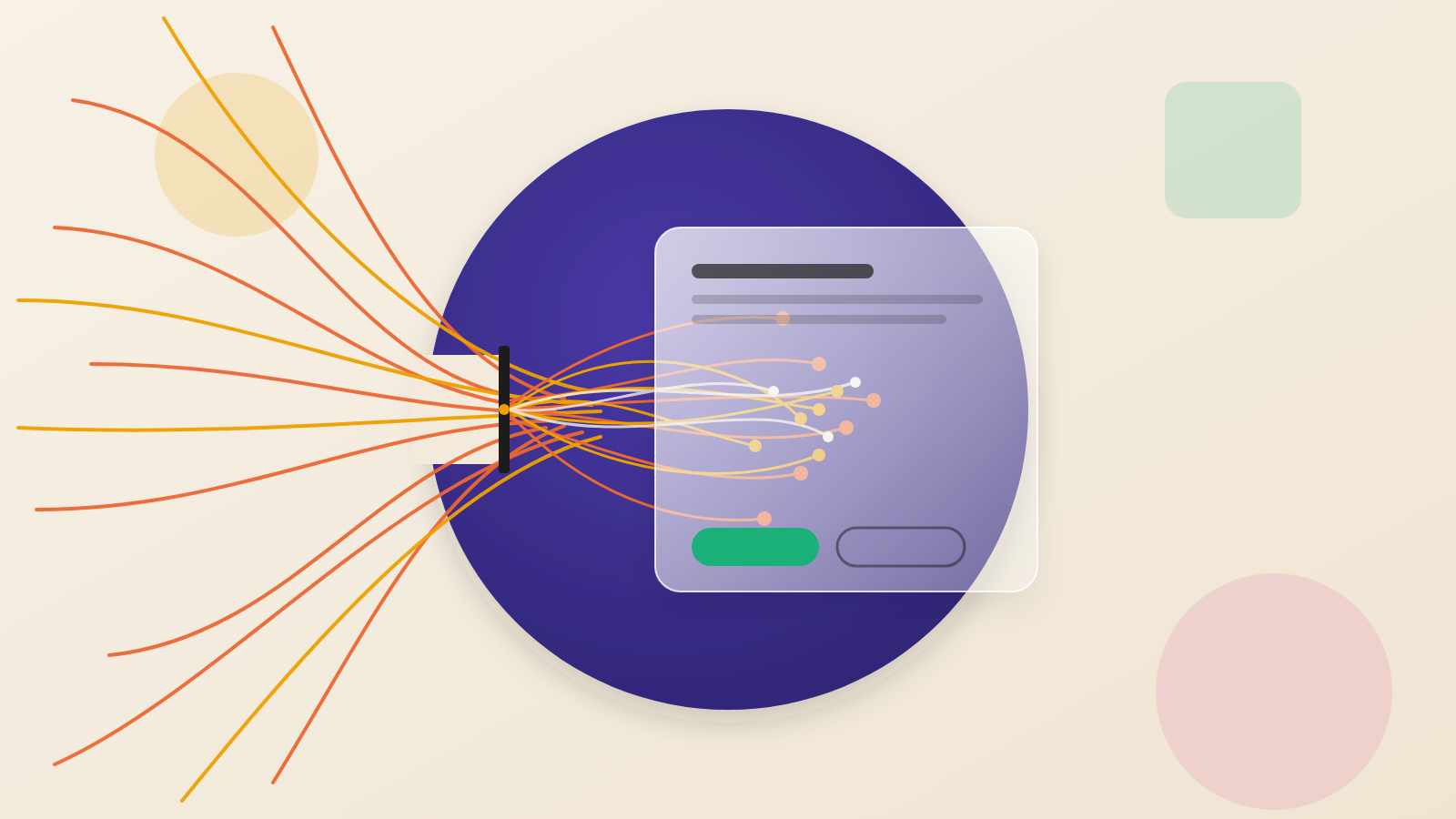
Privateer runs its checks in order. Fixed-rule checks go first. They give the same answer every time, and they settle what they can.
An optional large language model (LLM) step comes second. It reads evidence the fixed rules cannot parse, such as a security policy. OpenSSF stresses that the AI is not required.
Anything still unclear is marked Needs Review. A human then makes the final call.
The third outcome is the real feature. A tool that can only say pass or fail must guess when evidence is vague. A tool with a third answer can admit doubt and hand the case to a person.
Evidence you can feed to other systems
Privateer mainly measures against control catalogs that other groups maintain, though plugin authors can embed their own controls. It sits in the Gemara ecosystem, where one group defines governance, risk and compliance requirements and another measures them.
Its results use Gemara schemas. That turns them into machine-readable logs. Compliance dashboards, audit workflows and attestations can take them in. Users can also publish evaluation logs that cannot be altered, with verifiable origin, through GRC Store.
OpenSSF offers one example. A plugin reads a project's Security Insights file. That file can list a security contact, a contributing guide and a vulnerability policy. Privateer can check those entries without a person reading any text.
Teams can also run the same scan on a schedule in their build pipeline, using a GitHub Action. Failed controls can go to GitHub code scanning in SARIF. That is a common file format for scan results.
What leaders should weigh
OpenSSF sets clear limits. Privateer's results can feed CRA readiness work and other assurance tasks. They do not decide on their own whether you meet the law.
The announcement also gives no accuracy figures for the AI step. It does not say how often the model agrees with a human reviewer. Treat that as an open question, not a flaw.
Governance matters too. Sonatype, Revanite and Microsoft contributed engineering to the original build. The project is now moving to neutral governance under OpenSSF. Sandbox is an early stage, so adopting it carries early-stage risk.
Questions to put to your team
First, ask what any AI-assisted compliance tool does with a case it cannot settle. If it picks the likeliest result, the doubt has been hidden, not handled.
Second, ask who owns the Needs Review queue. A third answer helps only if a named person has time to resolve it. A record should show they did.
Third, ask whether results come out in a form your audit tools can read. You also want a trail that separates rule-based checks from model opinion.
Finally, keep legal sign-off with people. A scan result is evidence for a decision. It is not the decision.
A good auditor says when the paperwork is not enough to decide. Software that does the same earns more trust than software that never hesitates.
Produced by the WebPulse Newsroom with AI assistance from the original reporting credited below, and checked against that source by our editorial review. How we use AI.
Original reporting: OpenSSF.