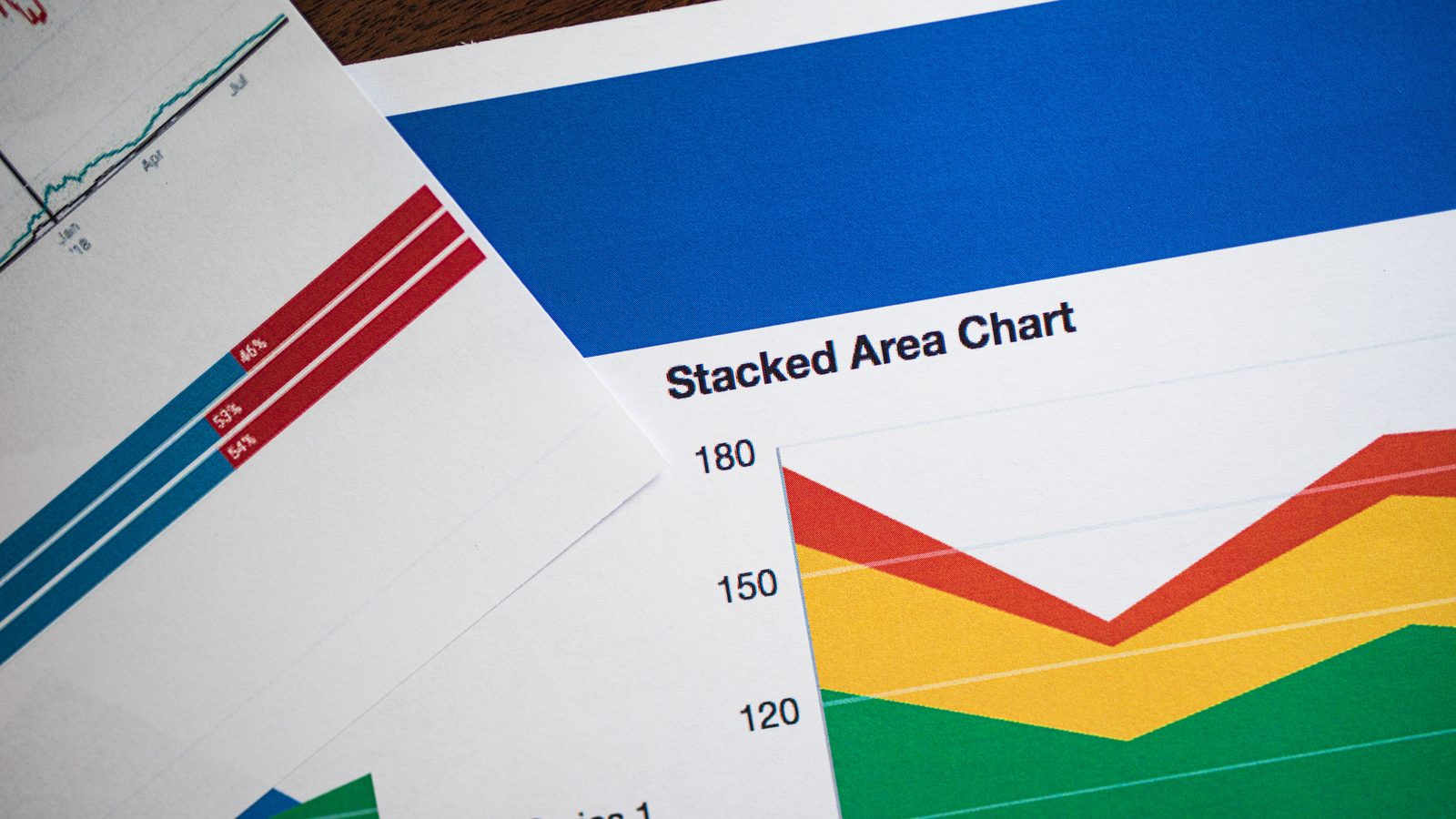
Total CVEs patched: 206 (Record-breaking Patch Tuesday. Previous record: 175 (October 2025). Source: Krebs on Security, June 2026.)
A Record No One Wanted
Microsoft patched 206 vulnerabilities on June 10, 2026 — the largest Patch Tuesday in the program's history, surpassing the previous record of 175 set in October 2025. Of these, 33 are rated Critical, with 28 being remote code execution flaws. Five were zero-days actively exploited before the patch shipped. The most dangerous: CVE-2026-45657, a wormable kernel vulnerability rated CVSS 9.8 that requires no credentials and no user interaction — rooted in how the operating system processes TCP/IP traffic.
The AI Discovery Effect
The record count is not just more researchers finding more bugs. It reflects a structural shift in how vulnerabilities are discovered. According to Rapid7's analysis, Microsoft provided patches to address 360 browser vulnerabilities in June alone — an order of magnitude more than typical in any given month over the past few years. AI-assisted fuzzing and code analysis tools are producing findings at a pace that exceeds human review capacity.
This is the AI discovery paradox: the same AI capabilities that help developers write code faster also help researchers find vulnerabilities faster. The disclosure volume is accelerating while patch deployment timelines remain unchanged. Organizations that cannot patch within days of disclosure face a widening window of exposure.
What This Means for Framework Choice
Every framework built on Windows infrastructure — IIS-hosted ASP.NET sites, Windows Server deployments, Azure-hosted applications — must absorb 206 patches in a single cycle. The operational burden scales with infrastructure complexity. A WordPress site on a managed Windows host depends on the hosting provider's patch cadence. A static site on a CDN has zero Windows kernel exposure.
The AI discovery effect will not slow down. As AI-assisted vulnerability research improves, patch volumes will continue to grow. The frameworks that minimize their exposure surface — fewer runtime dependencies, smaller attack surface, fewer moving parts — spend less operational capacity on patching and more on delivering value. Hugo generates HTML files. HTML files do not need kernel patches.
The Nightmare Eclipse Factor
June's Patch Tuesday also closed every zero-day disclosed by the researcher known as Nightmare Eclipse, who has been systematically identifying and publicly disclosing Windows vulnerabilities throughout 2026. The dynamic between independent researchers, AI-assisted discovery, and vendor patch cycles is producing unprecedented disclosure volumes — and unprecedented pressure on IT teams to keep up.
For executives evaluating infrastructure decisions, the question is no longer 'how many vulnerabilities does our framework have?' It is 'how many patch cycles per month can our team absorb?' The answer determines whether a 206-CVE month is a minor operational event or a crisis.
Produced by the WebPulse Newsroom with AI assistance and checked against our data by our editorial review. How we use AI.