- Bloomberg reported, citing a Texas attorney general report, that nearly 20 million people were affected by the 2025 breach of Oracle Health's legacy Cerner systems.
- Oracle told customers the evidence suggests the attacker used stolen customer credentials on an old server not yet moved to Oracle Cloud. Oracle has not confirmed the count.
- Leaders should ask which acquired or legacy systems still hold sensitive data, and how fast they would learn the true size of a breach.
A breach has two sizes
Every breach has two sizes. The first is what happened inside the systems. The second is the number of people who eventually learn they were affected. The Oracle Health case shows how far apart the two can be.
Bloomberg, drawing on a Texas attorney general report, puts the number of people whose personal and medical details were exposed at close to 20 million. The attack hit Oracle Health's legacy Cerner systems in early 2025. SecurityWeek relayed the report on October 8, 2026. The figure is far higher than counts in earlier filings and patient notices. Oracle has not publicly addressed the count, and it turned down Bloomberg's request for comment. Until Oracle confirms it, the figure is a report, not a settled total.
How the intrusion worked
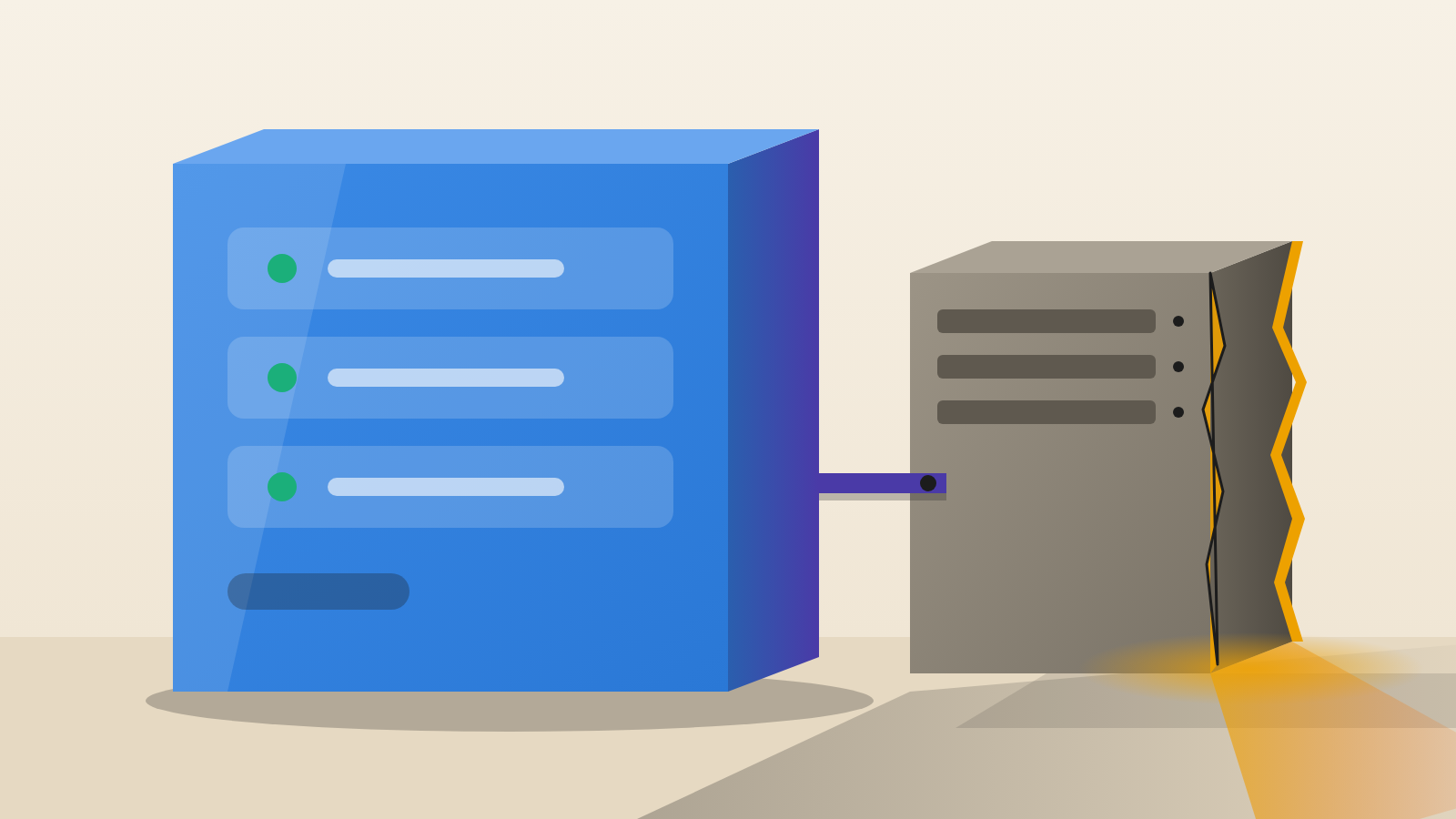
Oracle's notice to customers describes the mechanism. It said it became aware around February 20, 2025, of unauthorized access to Cerner data. The data sat on an old legacy server "not yet migrated to the Oracle Cloud."
Oracle told customers the available evidence suggested the attacker used stolen customer credentials. The access came sometime after January 22, 2025. The attacker then copied data to a remote server. A filing in Oregon sets the breach window as January 22 until April 1, 2025.
In plain terms, the attacker appears to have logged in with valid credentials, per Oracle's notice, rather than breaking down a door. That is Oracle's preliminary assessment. The source does not say how the credentials were stolen. It also does not say what other protections the server had.
The unmigrated server is the story
Oracle completed its deal for Cerner in June 2022. SecurityWeek puts the value at roughly $28.3 billion. The attack came more than two years later, and the exposed server had still not moved to Oracle's cloud.
That is the idea worth taking from this case. An acquisition does not merge two security postures on closing day. It creates a long period in which old systems run beside new ones. The old ones still hold real data, and they may be watched less closely. We cannot say that was true here, because the sources do not describe Oracle's monitoring. But the question applies to any company that has bought another or is part-way through a migration.
The people carrying the cost did not choose that arrangement. Healthcare customers trusted Cerner with patient records. Those patients now face a breach with no practical undo button.
Data that cannot be reset
A sample letter filed with California regulators lists what may have been involved. It names Social Security numbers and medical record details such as doctors, diagnoses, medicines, test results, images, and care and treatment.
A stolen password can be changed in minutes. A diagnosis cannot. That is why a patient count matters so much, and why a late and growing count is hard on the people in it.
Extortion followed. BleepingComputer's sources said at the time that one individual, who goes by 'Andrew', sent the demands to affected hospitals. That person had not tied themselves to any known extortion group. The demand was for millions of dollars in cryptocurrency. To add pressure on victims, the actor also launched public websites about the incident.
Counting takes time
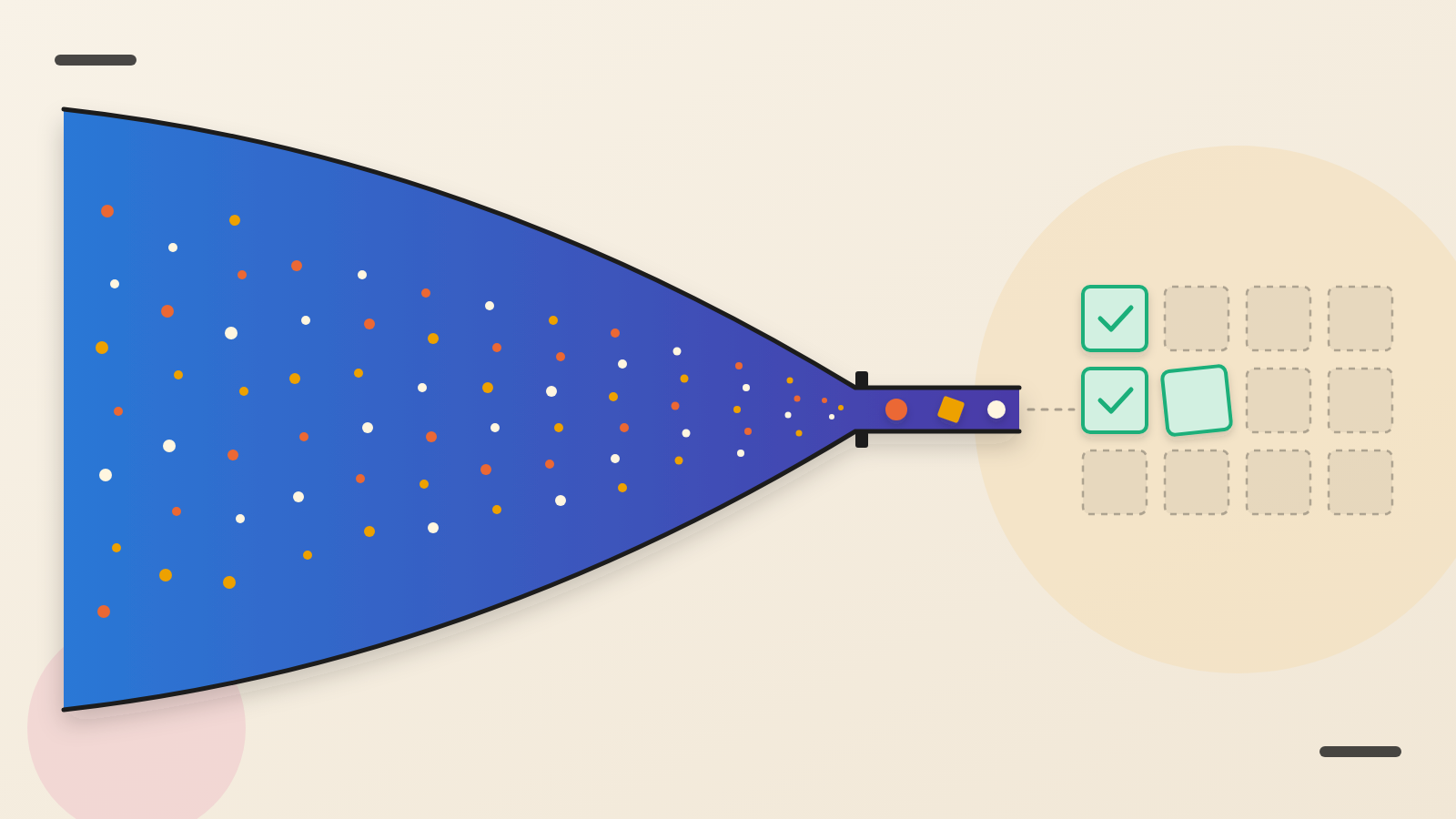
Cerner's listing on the Texas attorney general's breach portal, posted October 2, counts 2,992,244 Texans. South Carolina and Washington filings list roughly 283,000 and 69,000 residents. Each state sees only its own residents, so the national picture only appears when the pieces are put together.
If the nearly 20 million figure holds, SecurityWeek says it would make this one of the largest US healthcare breaches on record. Only a handful were bigger. The 2024 ransomware attack on Change Healthcare affected 192.7 million people.
What leaders should ask
First, ask which legacy or acquired systems still hold sensitive data. Ask for a list with a named owner for each one.
Second, ask how those systems authenticate users. If a stolen customer login can reach stored records, find out what else would stop it.
Third, ask how the company would size a breach. Regulators and customers will want a number. The Oracle case shows that the first figure may not be the last one.
Finally, ask vendors the same questions. If your records sit with a supplier that is mid-migration, you inherit its unfinished work. The lesson here is simple: the part of the estate you plan to retire later is still part of the estate today.
Produced by the WebPulse Newsroom with AI assistance from the original reporting credited below, and checked against that source by our editorial review. How we use AI.
Original reporting: SecurityWeek.