- NASSCOM told an Indian parliamentary committee that lowest-bidder tenders could disadvantage domestic AI models when they compete with Big Tech purely on price.
- MERICS reports Nvidia sold over 1 million H20 chips in China in 2024 and Huawei 200,000 despite lower prices, citing reliability, connectivity and CUDA switching costs.
- Buyers can ask about switching costs and training data before comparing bids. No source here measures the cost of switching AI models.
A price rule built for things you can swap
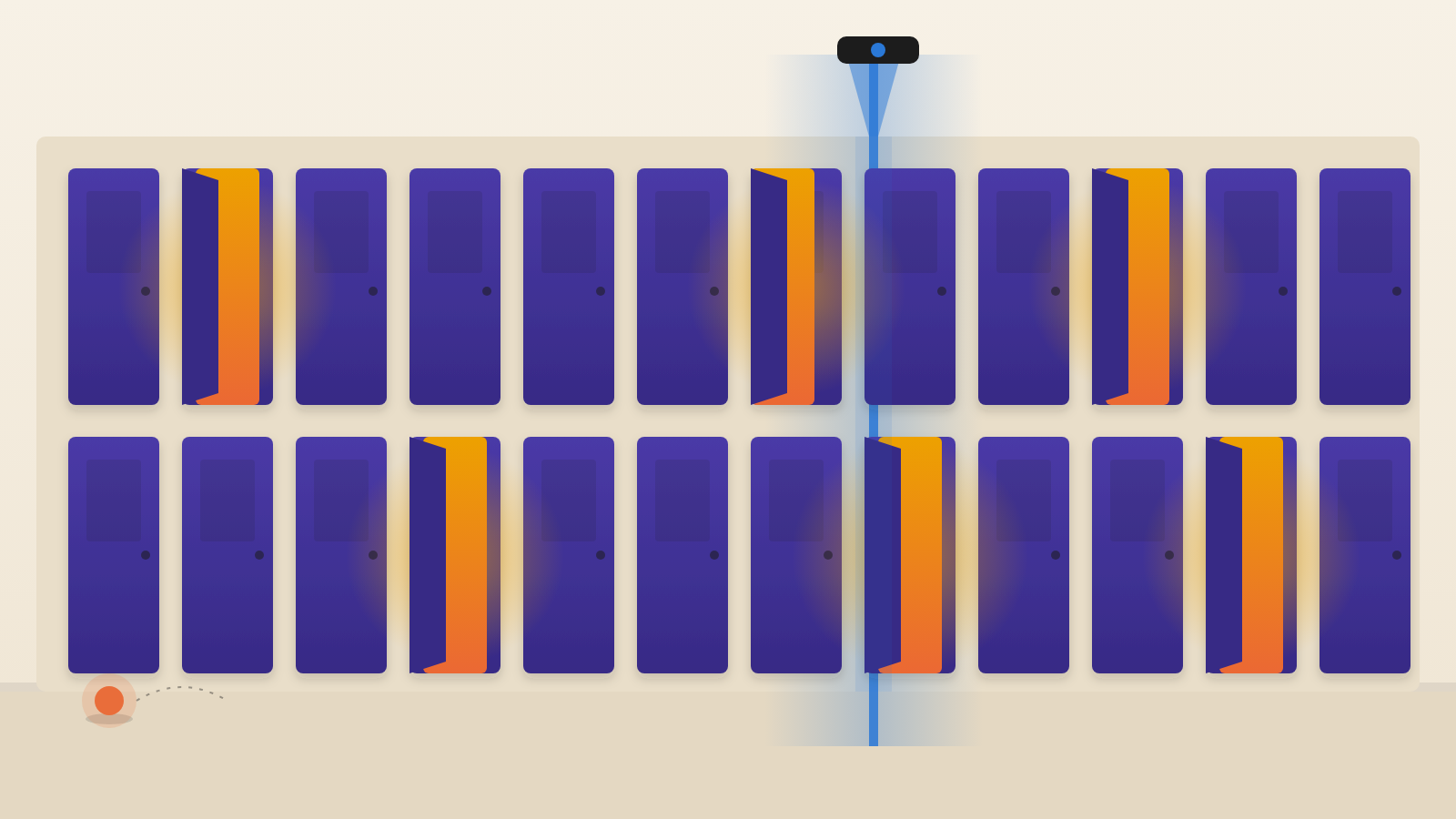
India's public buyers follow the L1 tender process. L1 means the lowest bidder wins. Price-only buying suits goods that can be swapped at will. That is our reasoning, not a finding in the sources. NASSCOM, India's software industry body, told a parliamentary committee that the rule could disadvantage home-grown AI models.
MediaNama reported the story on October 17 from the committee's 17th report on external affairs, tabled in September 2026. NASSCOM is a trade body with over 3,500 members. MediaNama says they include IT firms such as TCS, Cognizant and Accenture India, global capability centres and startups. The sources present the view as NASSCOM's submission.
NASSCOM said India is funding model builders such as Sarvam AI and BharatGen but has no plan for how Indians will use their models. In its words, government procurement for these models "still has to follow the L1 [lowest bidder] tender process."
Its argument on price was about money. Meta and Google "have spent hundreds of billions of dollars," so a purely price-based contest means "we will never have a level playing field."
Our argument: the cheapest AI may not be the cheapest to own
The lesson here is that a lowest-price test assumes the buyer can leave later. That is WebPulse's argument, built by analogy. No source we reviewed measures what it costs to switch AI models.
NASSCOM's own case is about Big Tech's spending power and a level playing field. It is not about lock-in. The MERICS think tank does show switching costs, but at the chip layer. The same logic may apply to models. It is untested here.
MERICS reports that Nvidia sold more than 1 million H20 chips in China in 2024. Huawei sold 200,000 AI chips, despite lower prices. Lower price alone did not win Huawei the sales.
Why Nvidia led: more than switching costs
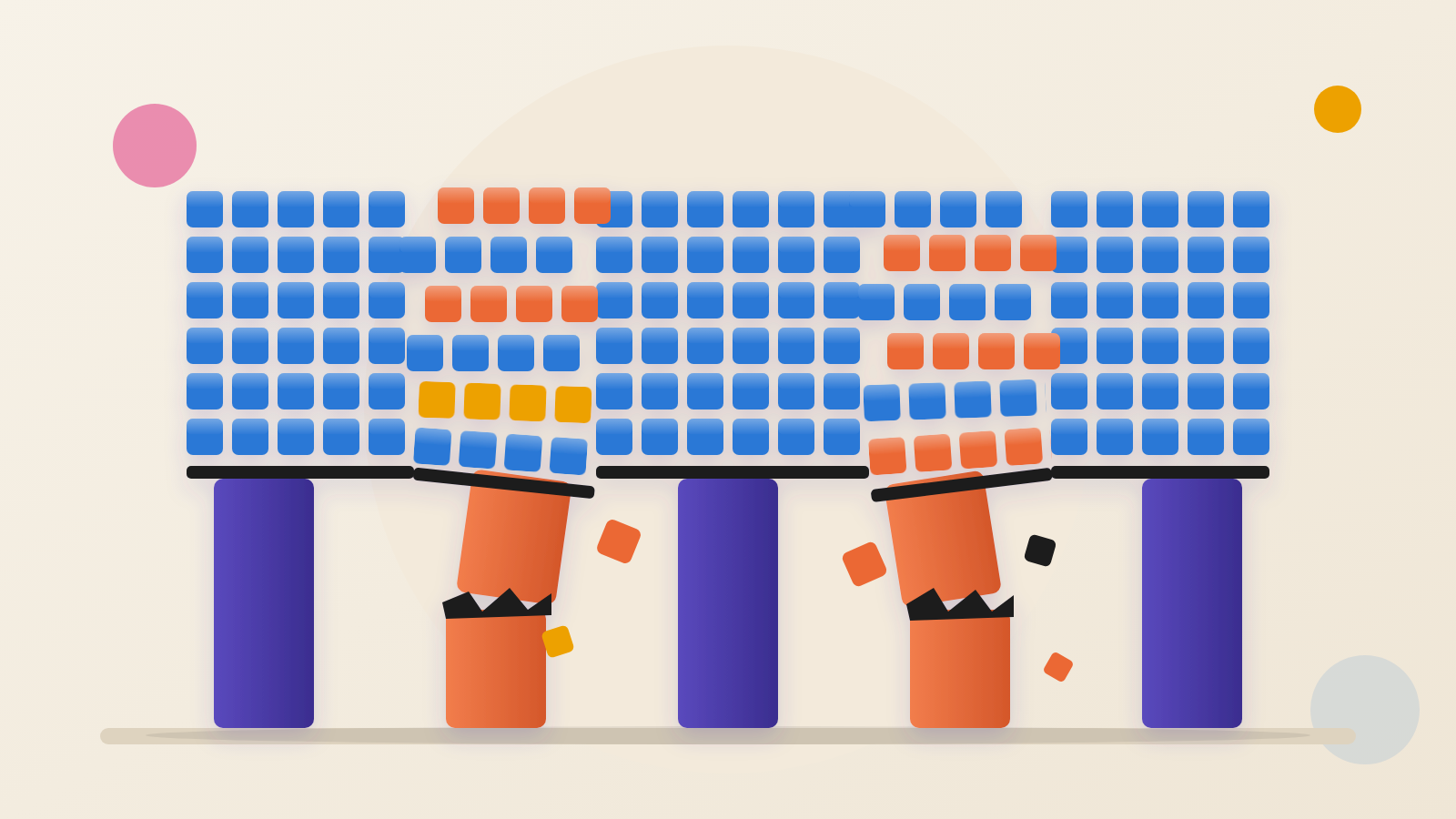
MERICS describes an AI stack with three layers. Chips do the computing. Frameworks are the toolkits used to build models. Applications, such as large language models, sit on top.
MERICS gives several reasons for Nvidia's lead in chips. Huawei's chips are "beset by problems" that make them less useful than their specifications suggest. They still crash randomly and often, without recovery. Most AI jobs are spread across many chips at once, so how well chips link up matters. MERICS says Nvidia's chips are far easier to connect, even between servers. DeepSeek considered Huawei's Ascend 910C inadequate for training.
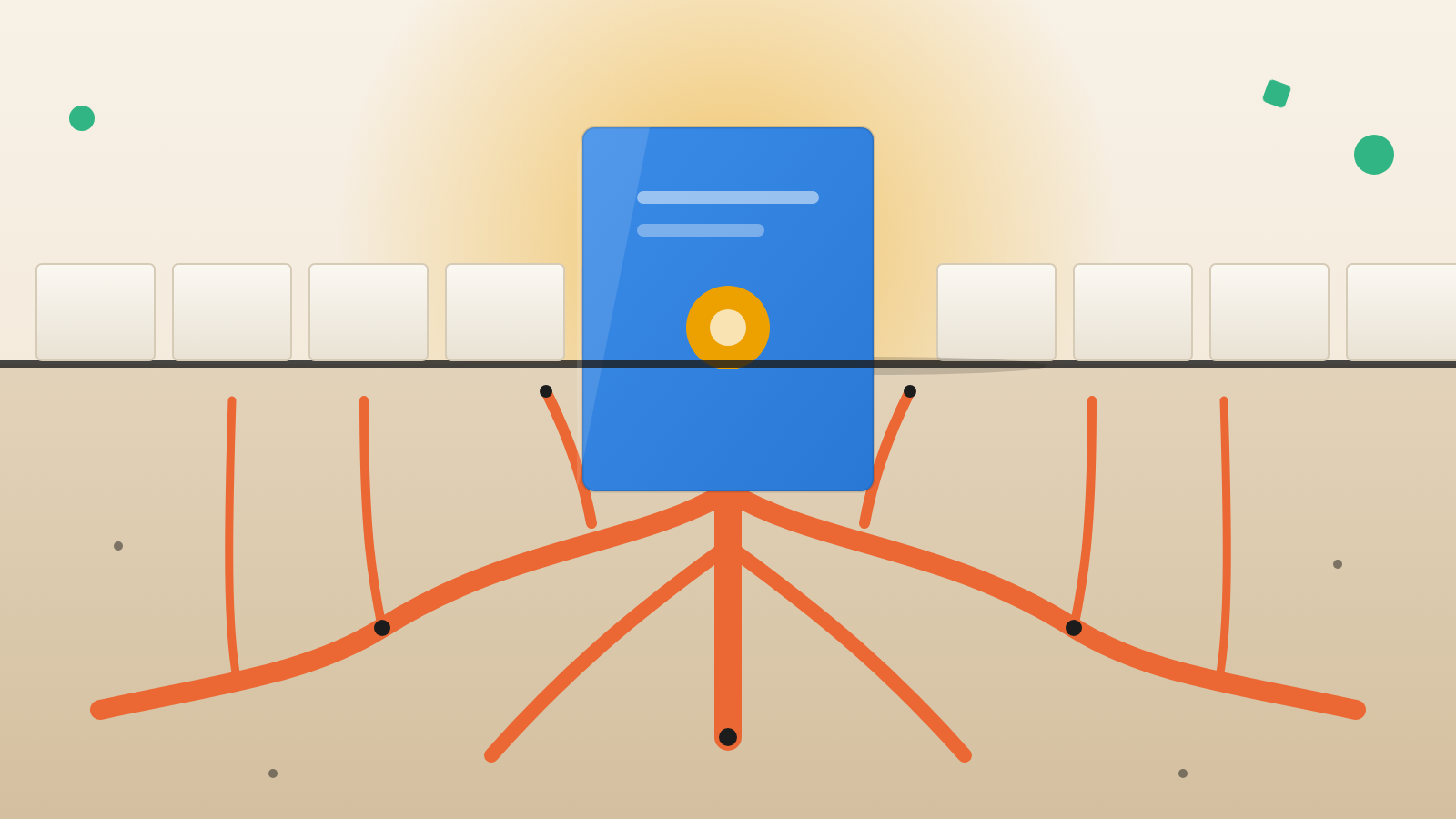
Switching cost is one more reason. CUDA is Nvidia's programming platform. Most AI models have been written with it, so moving to other chips is costly, MERICS says. Huawei built its own alternative, CANN. Models may need significant changes between chip generations, and developers hesitate to port their work.
The text we reviewed does not rank these reasons. Reliability and performance may explain much of the sales gap on their own. Switching costs are one factor among several.
At the chip layer, a price comparison on the invoice captures none of this. Whether AI models behave the same way is the open question.
What China did, and what the evidence shows
NASSCOM cited China as the model. It said China gave "real preference" to its own companies' models. MediaNama writes that China "apparently" created a protected domestic market. It notes that MERICS argued this protected home market helped developers such as DeepSeek.
MERICS adds detail and a caution. Direct state support there is concentrated in chips and frameworks. Models and applications get an enabling environment and much less direct support. One tool is provincial vouchers covering 20 to 50 percent of startups' computing costs. MERICS also notes that leading Western models were quickly banned in China after release, so domestic models faced little foreign competition.
So the part of the MERICS text we reviewed does not describe procurement preference as the main lever. The case for it rests on NASSCOM's account. The committee did not explicitly recommend changing the General Financial Rules or the L1 process. It did say the gap between India's capability and its leadership is a matter of "follow-through, adoption pathways, strategic clarity."
What buyers should ask their teams
This debate concerns Indian public procurement. The questions apply to any organisation buying AI by price.
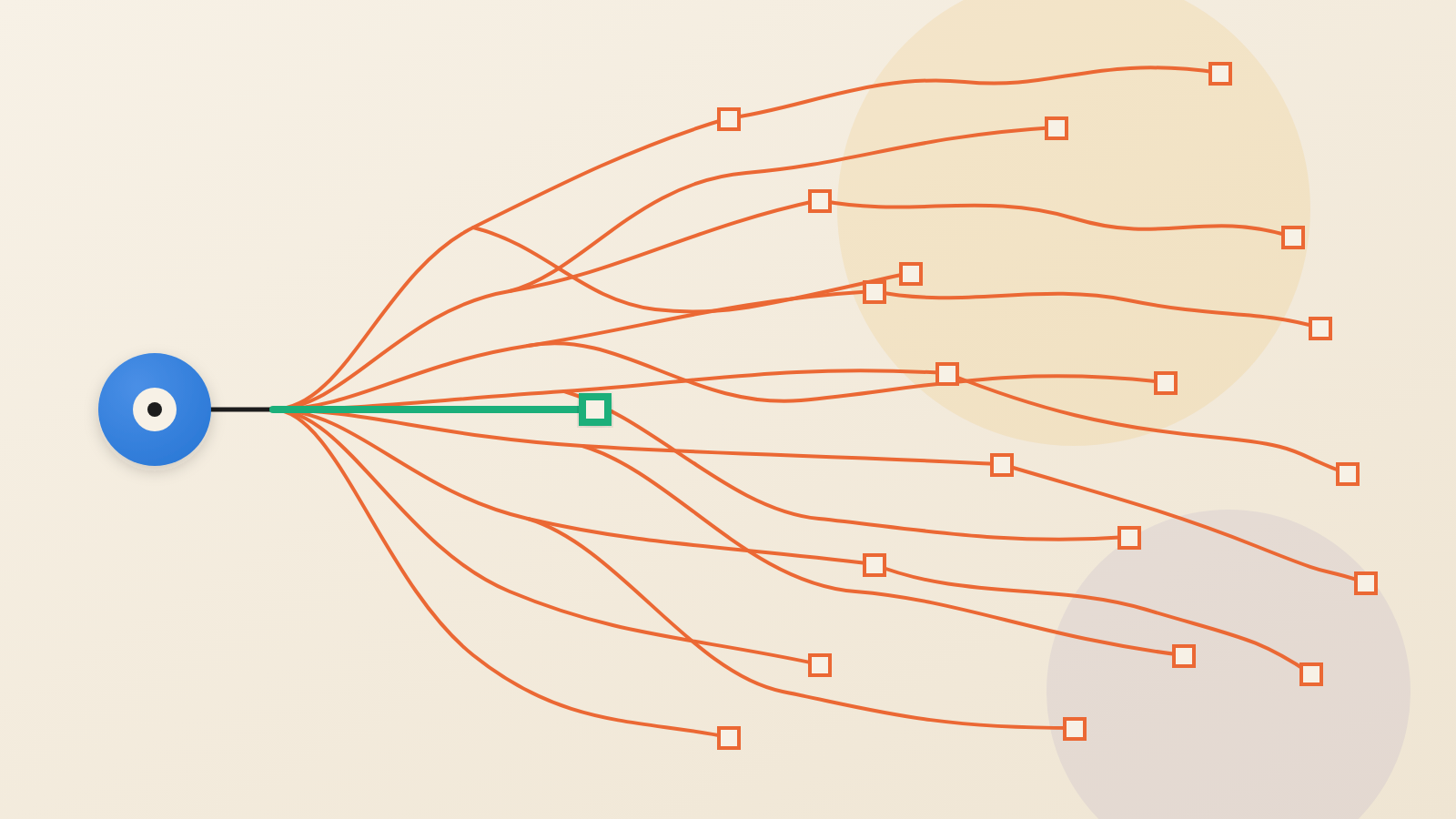
First, what would it cost to switch this model out in three years? Count rewritten prompts, retrained staff and re-tested workflows. Second, does the contract allow a second model to run alongside the first?
Third, can the supplier show what the model was trained on? MERICS notes that open-weight models share trained parameters but not training code or data. Buyers cannot verify accuracy, handling of sensitive data or bias in the training set.
A tender that compares only price per query measures the easy part. The exit may be the hard part, and the tender price does not show it.
Produced by the WebPulse Newsroom with AI assistance from the original reporting credited below, and checked against that source by our editorial review. How we use AI.
Original reporting: Mercator Institute for China Studies (MERICS).