- Microsoft CEO Satya Nadella told The New Things he treats all AI agents and models as insider risk, and described planned Windows changes meant to contain them.
- The framing matters because it moves agents from software feature to something closer to staff, which needs its own identity, permissions and oversight.
- Leaders can ask their teams now whether agents have separate identities, limited permissions and their own activity logs.
Most companies buy software and trust it to do what the label says. Microsoft's chief executive says he does not give AI agents that trust. He treats them as an insider risk, and Microsoft says it is reengineering Windows around that stance.
Satya Nadella made the point in an interview with The New Things, published October 17. "I think of all agents as insider risk and treat them as such," he said. He added "or all models as insider risk." He leads a company that builds both the models and the operating system they will run on.
The idea: an agent is a worker, not a feature
An insider is someone who already has access. A contractor, an employee or a vendor account all count. Security teams manage them with a familiar toolkit: their own login, limited access and a record of what they did.
Nadella's stance applies that toolkit to software. WebPulse's argument is that an AI agent is closer to a new hire than a new app. Nobody gives a new hire the master key on day one.
That argument gives leaders a simple test. If your agents have no name, no limits and no supervisor, they are not being managed like staff.
How Microsoft says Windows will contain agents
The New Things reports that Windows is being updated in four ways. Agents get identities separate from the human users they work for. They run in isolated environments. They get restricted permissions. Security software monitors them.
Nadella put it plainly: agents "need to be contained separately," governed separately and permissioned separately.
Monitoring is the part with the most detail. Asked whether people will need antivirus for their AI, Nadella answered "100%" and pointed to Windows Defender. He said Defender tracks what the agent does, in behavioral terms. When the agent tries something unauthorized or bad, it flags it and "shuts it down."
Behavior-based monitoring watches actions rather than matching known bad files. That fits agents, whose actions change with every task.
Why the laptop belongs in the story
Microsoft also unveiled a Surface Laptop Ultra built around Nvidia's RTX Spark chip. It starts at $2,600, and its memory goes up to 128 GB. Nadella's claim is that models which led the field a year ago now run on the machine itself, with no cloud needed.
He does not see local and cloud as rivals. He called the present a "hybrid moment," in which agents draw on both depending on the job.
The New Things author calls on-device models a gain for privacy. That is plausible, since less data leaves the device. It also puts a capable model on the machine that holds your files. That is why the containment promises matter. The more an agent can do locally, the more its permissions decide the outcome.
Nadella also demoed a personal dashboard he built with a local model. The reporter says it connects his email, his to-do lists and customer information. The screen was blurred on camera. That is the kind of data an insider-risk agent would touch, and it shows what is at stake.
What the interview does not tell us
These are stated plans from a chief executive in an interview. The report gives no release dates. It does not say how Defender decides an action is unauthorized or how the isolation works. It does not say whether customers can inspect agent activity.
Nadella also spoke about "pacing," or taking time with complex engineering. That is a stated intention, not a measured practice.
Questions to put to your team
You do not need Microsoft's changes to start. Ask these this quarter.
First, which agents and AI assistants already act on staff machines, and do they use the employee's own login? Second, can you see an agent's actions in a log separate from the person's? Third, who approves what an agent may touch, and who reviews it? Fourth, if a model runs locally, what data can it reach on that device?
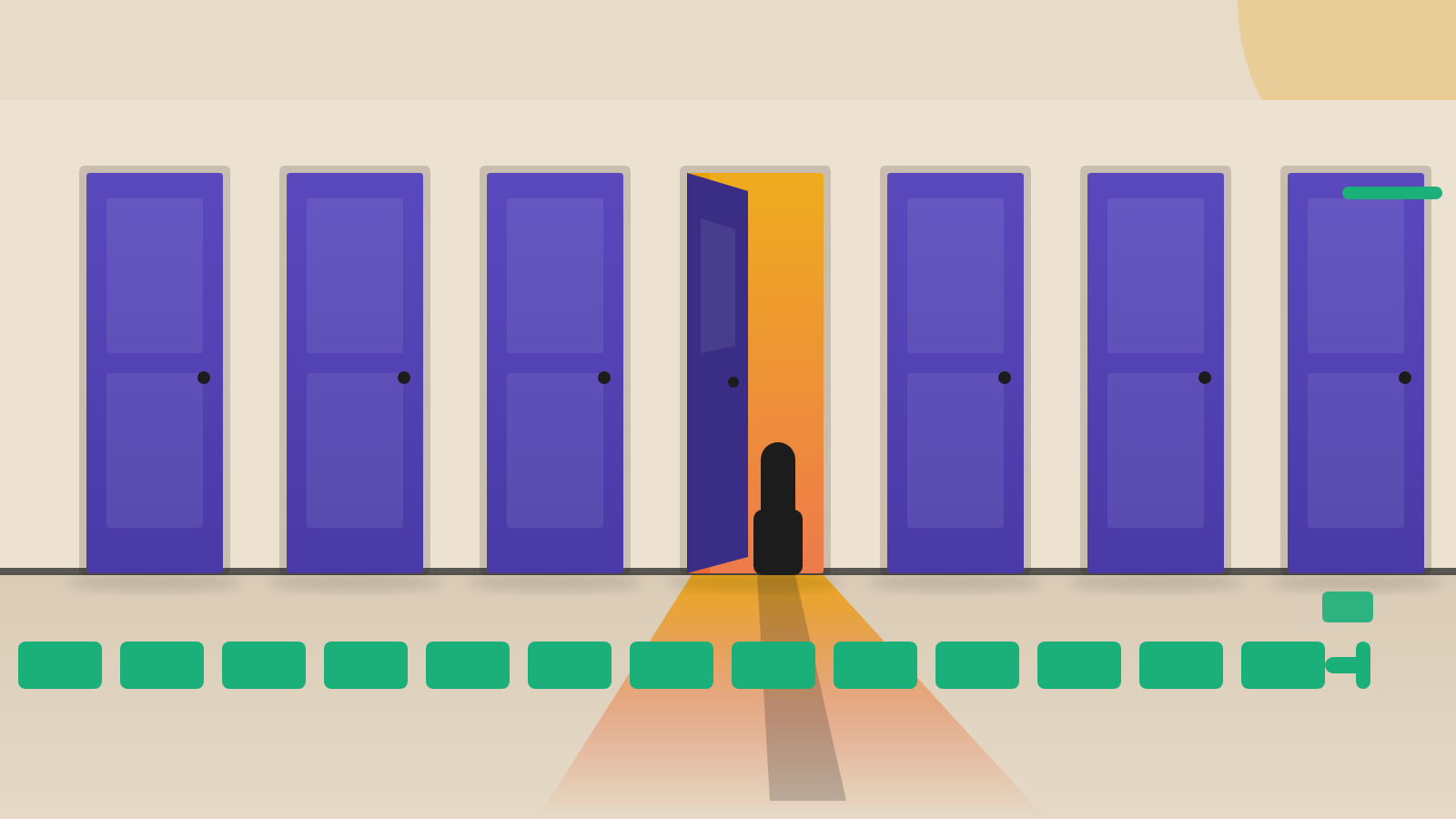
The standard to aim for is the one you use for a new hire. Give each agent a badge that opens only the doors its job needs, and keep a record of every door it opens.
Produced by the WebPulse Newsroom with AI assistance from the original reporting credited below, and checked against that source by our editorial review. How we use AI.
Original reporting: The New Things.