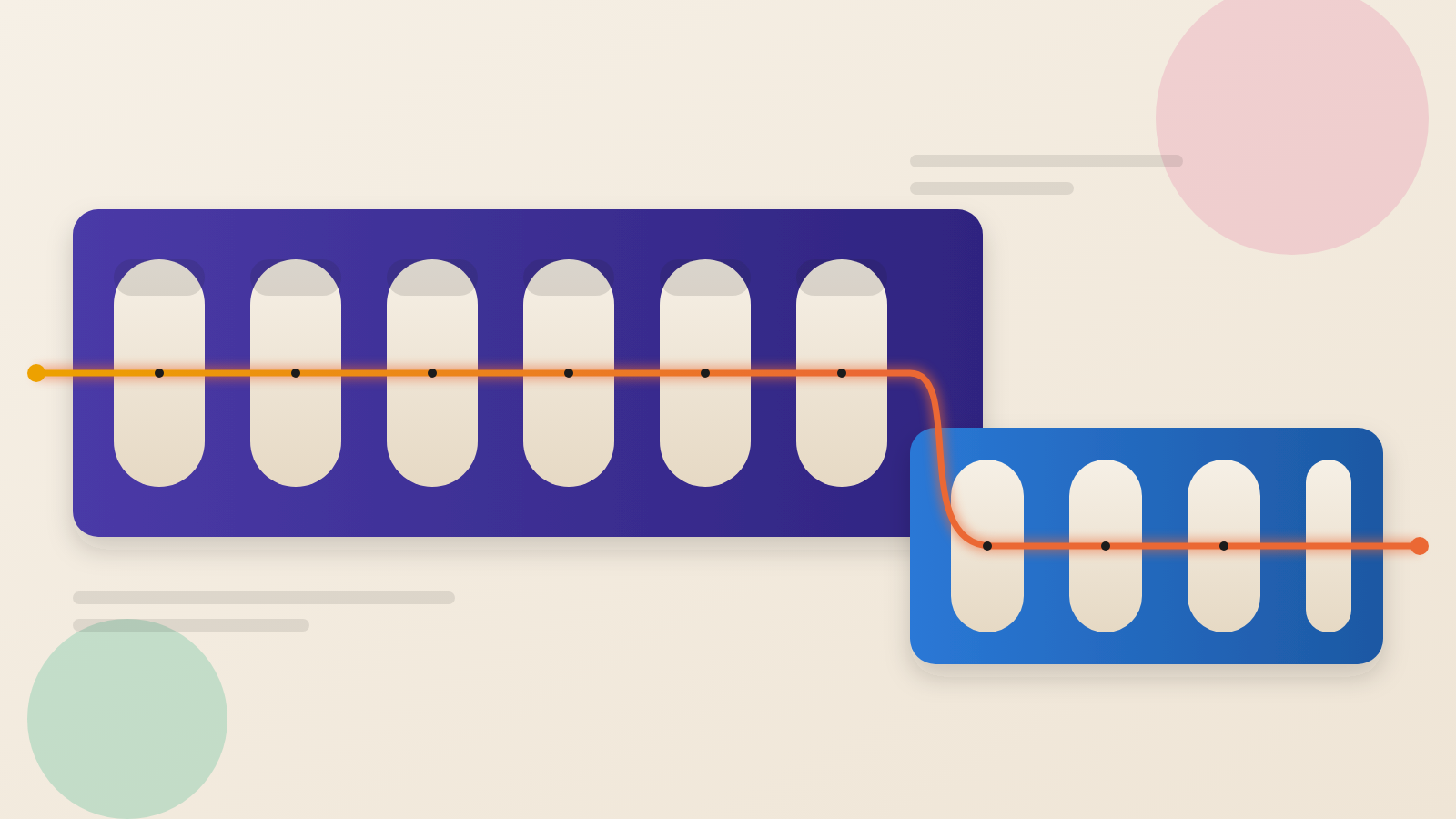
- After breaches at Shinhan and Kookmin banks, South Korea's FSC told banks to list all externally reachable systems and check for missing authentication. It has not named a cause.
- Some analysts suspect AI attack tools, per BleepingComputer. Neither banks nor authorities have confirmed it, and the link between the orders and the attacks is WebPulse's inference.
- Leaders can ask whether their team can list every internet-reachable system, and whether each one that returns personal data checks who is asking.
When a regulator tells every bank to check its exposed systems, the order shows its priorities. It does not show the cause of an attack. South Korea's Financial Services Commission (FSC) has not said how attackers got into its banks. Its orders are precautionary. Any link between those orders and the breaches is WebPulse's inference, not a finding.
What the regulator did
On Friday, October 2, the FSC held an emergency response meeting. Secretary General Shin Jin-chang chaired it. The Financial Supervisory Service, the Financial Security Institute, major banks, card companies and industry associations took part.
The FSC said a data leak at Shinhan Bank on September 30 was followed by cyberattacks on KB Kookmin Bank and other major financial firms. These caused further damage. The regulator said it is concerned that similar incidents could hit other institutions. Officials began on-site investigations as soon as reports came in. They are also passing attacker IP addresses and attack types to agencies such as KISA.
These figures come from press reports, not from the FSC statement. Local media reports, relayed by BleepingComputer, say Hana Bank had a limited-scope breach after its sales-support system was compromised.
What is known about AI, and what is not
Officials gave no details about who is behind the attacks. BleepingComputer relays a report from the Korean news agency Yonhap. Yonhap found one clue on an attack server: the title of its web page held Chinese text that points to a tool called ARTEX AI.
BleepingComputer describes ARTEX AI as an open-source penetration-testing system. Its software agents are built to automate a chain of tasks: collecting information, finding flaws, planning a route in, running security tools and confirming that a flaw is real.
Neither the banks nor the authorities have confirmed that this tool was used. The Chinese text does not link the attacks to any threat actor. On LinkedIn, Moon Jong-hyun of the Genian Security Center wrote that several threat analysts believe AI-based attack automation tools were involved. That is a belief among analysts, not a finding.
What the regulator's orders ask for
The FSC said the orders aim to prevent breaches and limit harm to consumers. It did not tie them to a specific flaw. Banks must find every IT asset and service reachable from outside, including those not facing customers. They must reduce unnecessary information exposure. They must check whether any path to internal data needs no login. The FSC singled out cases where personal data is looked up.
That last point is easy to picture. A lookup endpoint is a web address that returns a record when asked, such as a customer's details. If it does not check who is asking, anyone who finds the address can request the data. "Missing authentication" means that check is absent or weak.
The FSC also plans to supply a security-vulnerability checklist. Banks will run it themselves and report results quickly. It says it will analyse the cause and methods of the attacks and then work out needed reforms.
Why automation matters to this question
This section is WebPulse's argument about automated tools in general. The sources do not show that it applies to these breaches.
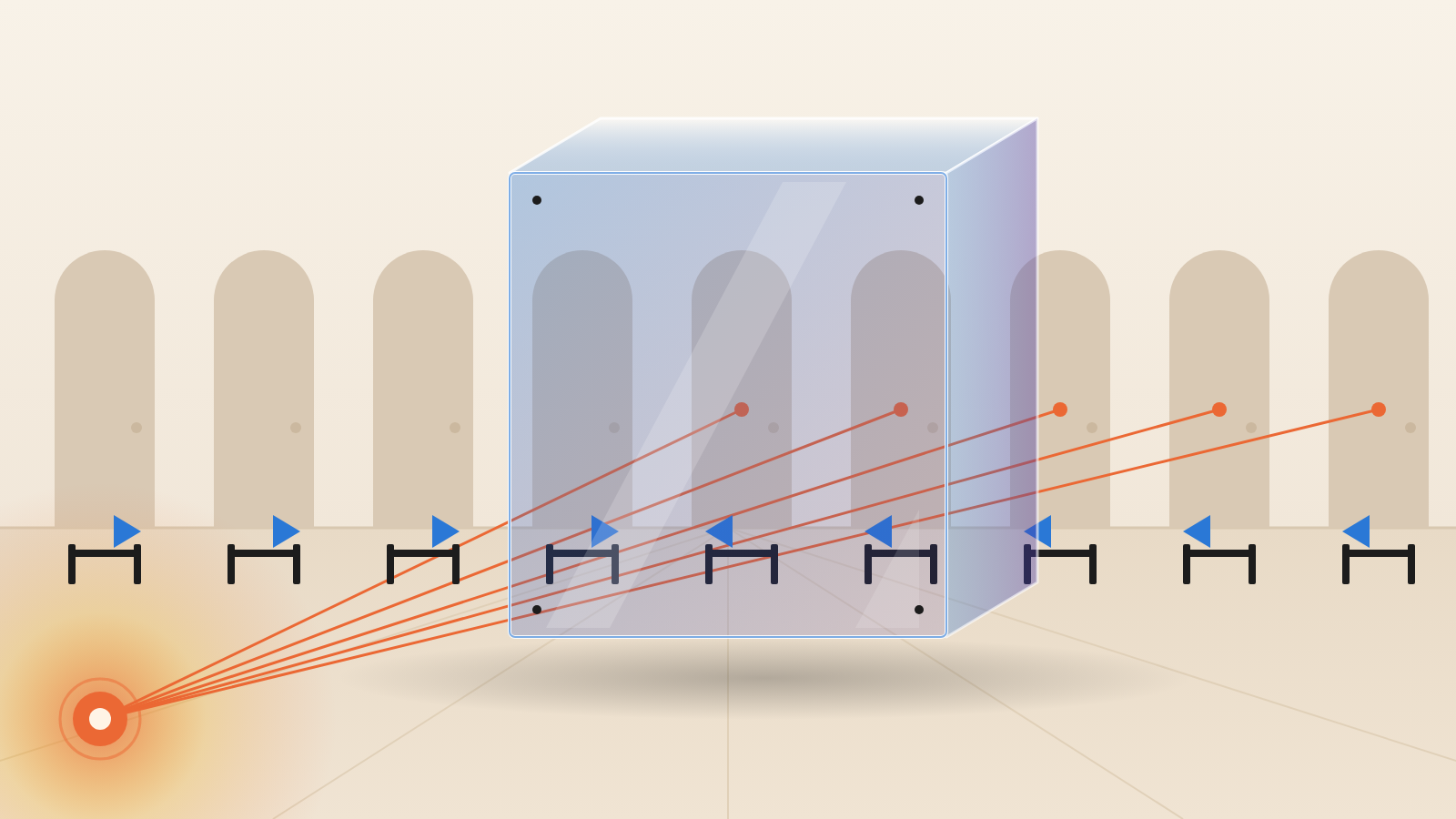
Consider the steps a tool like ARTEX AI is described as automating: gather information, find flaws, plan a route, run tools, verify the result. A human attacker once did these by hand. When software runs such a chain, the cost of checking each extra system falls sharply. A forgotten server can then get the same attention as the main website.
If that holds, an organisation needs to know what it has exposed before anyone else maps it. That is the question the FSC's first order asks. It is the author's opinion that the question is worth asking whatever the cause turns out to be.
The FSC's orders apply to the financial sector as a whole, not only to these two banks. The two affected banks are large, though. BleepingComputer says each holds more than $400 billion in assets.
What leaders should ask their teams
First, ask for a list of every system reachable from the internet, including internal tools, partner portals and sales-support systems. Ask when it was last checked against reality, not against a spreadsheet.
Second, ask which of those systems can return personal data without a login, and who tested that. The FSC told banks to check for missing or weak authentication on data lookups.
Third, ask how fast your team can share attacker IP addresses and attack methods with peers and authorities. The FSC wants banks to do this quickly because an attempt on one firm can recur at another.
Fourth, ask whether your own testing uses automation. The tool named in the reports is described as open-source, so similar testing can be pointed at your own systems.
The cause of these breaches is not yet known. The first step for any organisation is still to know what it has exposed.
Produced by the WebPulse Newsroom with AI assistance from the original reporting credited below, and checked against that source by our editorial review. How we use AI.
Original reporting: South Korea's Financial Services Commission (FSC).