- Vinoo Ganesh of Kepler argued that code should store every fact with an ID, so the model can only point to facts and never writes numbers.
- He said models can still invent numbers during inference, so verification is part of Kepler's design. Our reading is that the risk shifts to how facts are extracted.
Vinoo Ganesh, CEO and co-founder of Kepler, argued on the AI Engineer show that a model should invent fewer figures if it is built so that it cannot type them. In his design, code stores each fact under an ID ahead of time. The model can only point to those IDs. A number it cannot look up is refused.
What was said
Ganesh split wrong numbers into three causes: the wrong document, the wrong figure from the right document, and models doing arithmetic. On the last, he said: "Models don't do math. They predict the next token." A token is a small chunk of text.
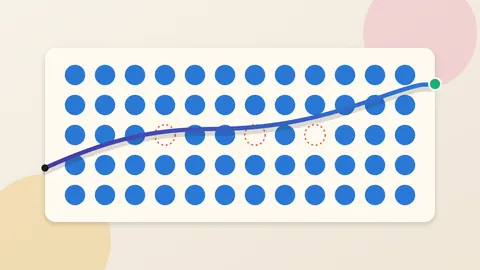
Kepler's design starts before any question arrives. Code reads documents such as annual filings (10-Ks) and gives each fact its own ID. The model plans which sources to fetch, while code does the retrieval and the arithmetic. If an ID does not exist, nothing comes back, like asking a lookup table for a missing key.
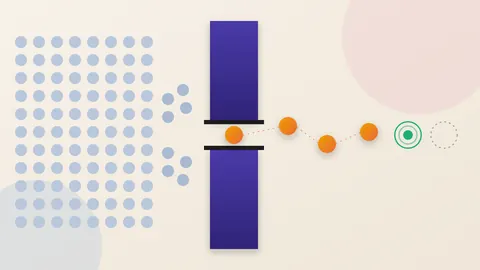
Ganesh described the result as a contract: each citation is verified, corrected during search, or refused. In his words: "If a model cannot de-resolve that pointer, it cannot print that number out."
He showed Kepler's production data, where refusals fell sharply. A refusal is a case where the model could not resolve a pointer, so it produced no number. The rate did not reach zero. He said models are still probabilistic, so they can still make up numbers during inference. Verification is a core part of the design. Ganesh said Kepler is known most for it.
Why it matters
Our reading: this design moves risk rather than removing it. If the model cannot write numbers, the weak point becomes the step that pulls facts out of documents and gives them IDs. A figure extracted wrongly would still carry a valid ID. The excerpts do not show Ganesh addressing that case.
A budget signer buying AI that handles figures can ask four things. Who or what extracts the facts? How are extraction errors caught? What happens to information that cannot be stored ahead of time? What does the final verification step cover?
Ganesh gave listeners a similar test. Ask any vendor whether you can verify the numbers and see the sources, and not as an annotation added afterwards.
The other side
This is a vendor describing its own product on stage. The evidence shown was a drop in refusals. That is not a measured drop in invented numbers, and the excerpts give no figure for either.
Ganesh also said a lookup cannot get it wrong, but search can. Information that cannot be stored ahead of time still depends on search. The excerpts give no rate for extraction errors.
Written by the WebPulse Newsroom with AI assistance, and checked by our editorial review: every quotation was verified against the recording's transcript. How we use AI.
The conversation this talking point comes from
- AI Engineer: AI Can't Make Up a Number It Can't Look Up - Vinoo Ganesh, Kepler (2026-11-07)