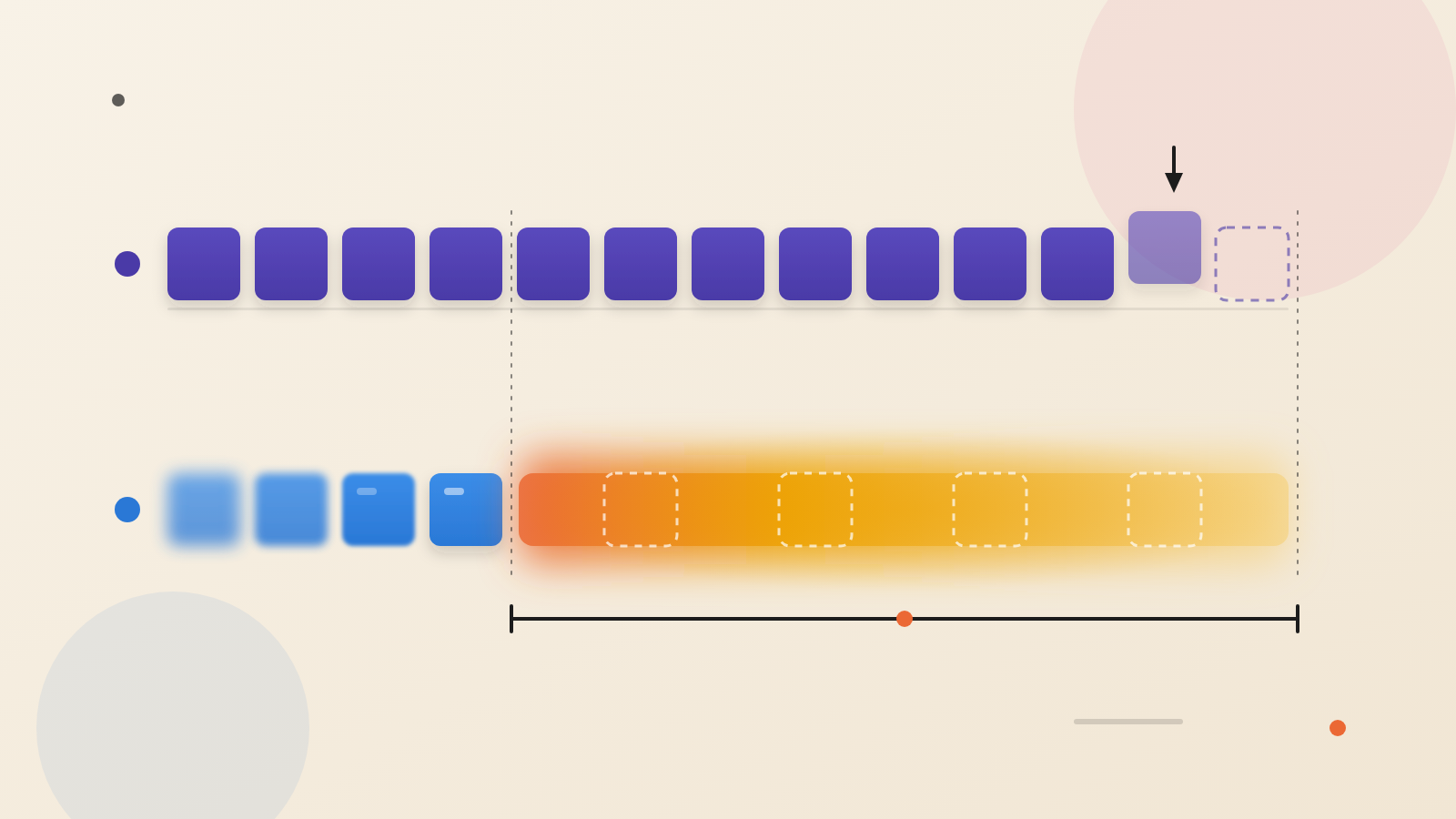
- Inception says Mercury 3, a diffusion-based language model, runs 4x to 8x faster than Haiku 5.5, GPT-6 Luna and GLM-5.3 Flash, at about 1,000 tokens per second.
- The speed claims come from Inception and its CEO. The source cites no independent tests, and the Anthropic and OpenAI models it matches are low- and mid-tier.
- Buyers should test latency on their own workloads and ask how long the 50% launch discount will last.
In our view, price per token is the number buyers most often compare, a token being a small piece of text. A new model from Inception suggests that for some work, the number to watch is how long the answer takes. When an AI agent makes many calls in a row, every wait adds to the last one.
What Inception announced
On Monday, Inception announced Mercury 3, its flagship language model. In an interview with The Deep View, Inception chief executive Stefano Ermon put the model's output at roughly a thousand tokens each second. He said answers feel "almost instant" and rated its quality as similar to Luna and Haiku.
For speed, Inception compares Mercury 3 with three rivals: Haiku 5.5 from Anthropic, GPT-6 Luna from OpenAI, and GLM-5.3 Flash. It reports a gain of four to eight times. It also says Mercury 3 scores higher than all three on agentic benchmarks, which test how well a model handles multi-step tasks.
According to The Deep View, Inception lists Mercury 3 at 10 cents per million input tokens and 35 cents per million output tokens. Input costs the same as Haiku 5.5 and GPT-6 Luna, and output costs 35% less. Inception also says swarms of Mercury 3 agents made the model a further 16% faster.
How a diffusion model writes differently
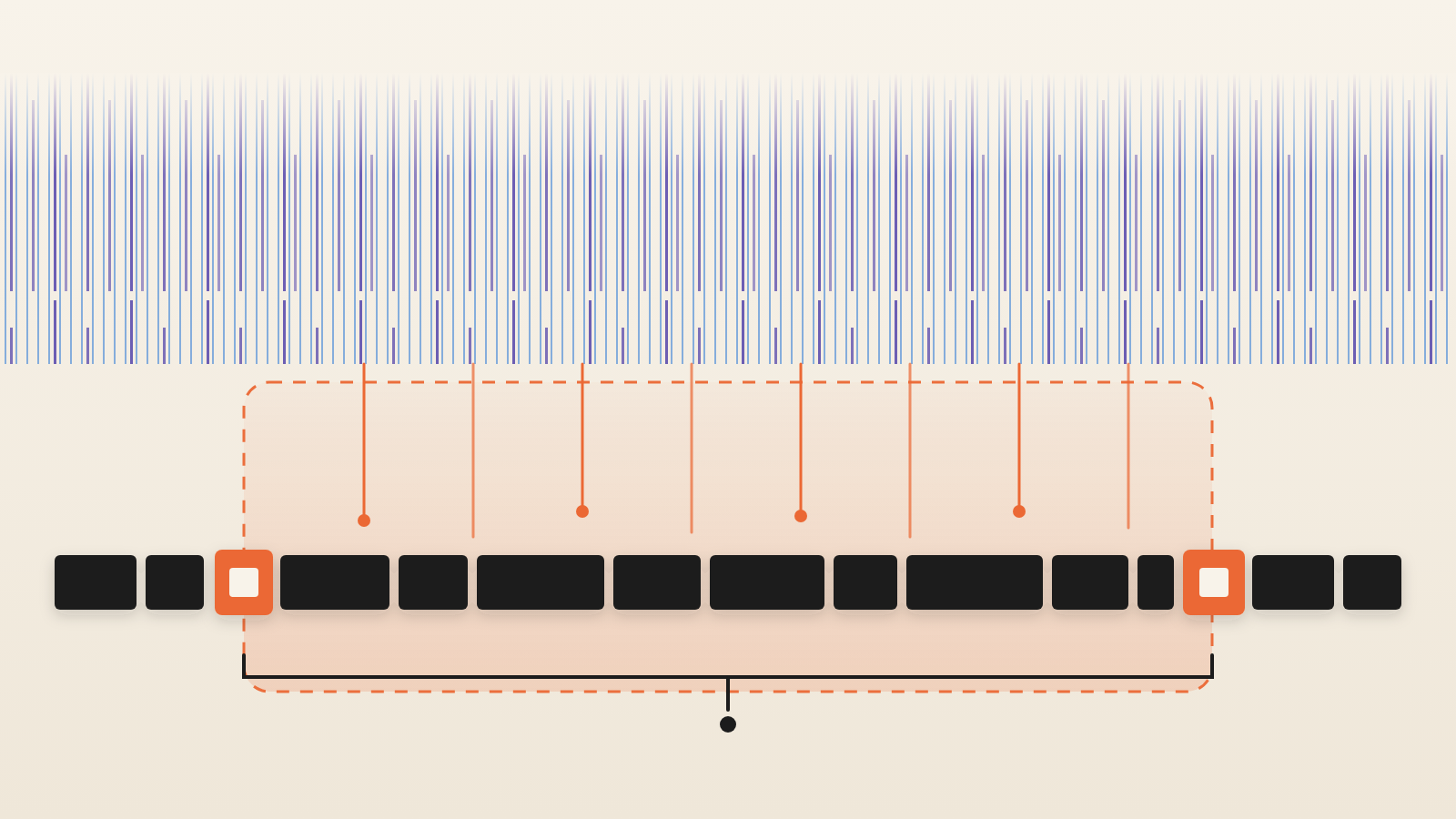
Conventional language models write one token at a time, and each token depends on the ones before it. This is called autoregressive generation. The model cannot start the tenth word until it has finished the ninth.
Mercury 3 is a diffusion model. It generates and refines several tokens at the same time. The Deep View explains that this uses the parallel processing power of GPUs, the chips that run AI, more fully. That is how Inception gets faster responses at lower cost.
Diffusion is not new to AI. The Deep View notes that many leading labs already use it for images and video. Applying it to text is the step that is new.
Speed is the product, not the discount
The launch price is half the eventual standard price, according to The Deep View. Inception has not said how long the promotion will last. Ermon told the outlet the company is working on changes that could make the launch price permanent.
The Deep View argues that calling Mercury 3 a cheap model misses the point. Anthropic and OpenAI price their budget models low while charging premiums for their top models. Mercury 3 is Inception's top model, and its main selling point is speed.
This is where we see the larger idea. AI agents work in loops of reading, deciding and acting. The Deep View notes that more reasoning and more agentic steps typically raise both cost and response time. In a long chain of steps, waiting time can matter as much as per-token price. A model that answers quickly may let a team afford more steps, or let a customer-facing tool respond in real time.
What is not yet proven
The speed, quality and benchmark claims come from Inception. The source names no benchmarks and cites no independent tests.
The Deep View describes the Anthropic and OpenAI models Mercury 3 matches as low- and mid-tier. The source does not place GLM-5.3 Flash in a tier. It does not test Mercury 3 against the strongest models from either lab.
Inception also gives no total size for Mercury 3, measured in parameters. The only hint is that it has 40 times the parameters of Mercury 1, which launched in February 2025.
Google DeepMind is working on the same approach. The Deep View says it released DiffusionGemma in June, with 26 billion parameters, against about 1 trillion for frontier models. It reports similar speed gains.
The Deep View frames the open question this way: diffusion text models may stay a niche for real-time uses, or they may grow into a wider challenge to the largest models. Most leading labs have so far bet on bigger models and faster chips. One launch does not settle that.
Questions to put to your team
Ask which of your AI workloads are limited by waiting time, such as live customer chat, voice or multi-step agents. Those are the places where a speed-first model could matter.
Ask for a trial on your own tasks, measuring seconds per completed job and not only price per token. Ask Inception how long the 50% launch discount will run, and whether any permanent price has been committed in writing.
Ask what quality testing the vendor has shared, and whether it covers your kind of work. Check whether a faster model can produce more actions per minute than your people can review.
Price per token tells you what a word costs. It does not tell you how long your customer waits for it.
Produced by the WebPulse Newsroom with AI assistance from the original reporting credited below, and checked against that source by our editorial review. How we use AI.
Original reporting: The Deep View.