← All insights
Business Efficiency

The Custom App Nobody Understands: A $2.4 Million Annual Risk

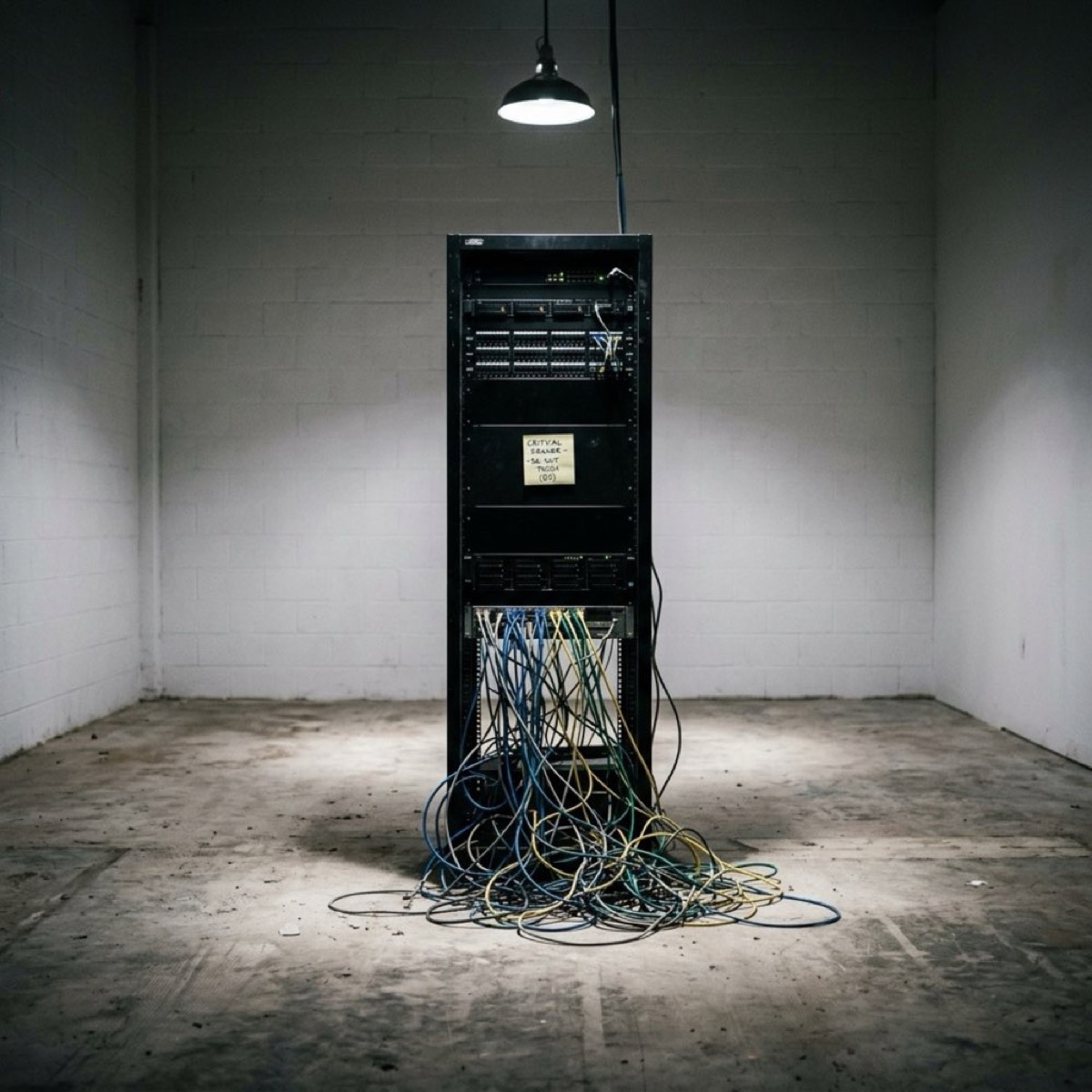
Every organization has one. The critical internal application where the original developer left and the documentation doesn't exist.

· 6 min read
Share on X LinkedIn

You Know This Application

It processes orders. Or calculates commissions. Or manages inventory. Or generates compliance reports. It was built between 2010 and 2018 by a developer or small team that has since moved on. It runs on a framework or language that was current when it was built and is now outdated. The documentation, if it exists, is years out of date. The test coverage is minimal or zero.

It works. Most of the time. And everyone is terrified of it.

The Anatomy of the Problem

3-6 months
Time to onboard a new developer
Modeled estimate from IT staffing industry benchmarks. Varies significantly by codebase complexity.
~60%
Knowledge trapped in departed employees
Modeled estimate. Widely cited in knowledge management literature but no single definitive source.
$120,000 - $400,000
Annual maintenance cost
Modeled estimate: 1-4 developer FTEs at $95K avg salary (Source: BLS). Range depends on application complexity.

The Risk Calculation Nobody Does

What happens if this application fails at 2am on a Saturday? Who fixes it? What's the business impact per hour of downtime?

$5,600/minute
Average cost of critical application downtime
Source: Gartner (widely cited). Original methodology from 2014, frequently updated. Exact figure varies by study.
4-12 hours
Average time to resolve a critical issue
Modeled estimate from incident response benchmarks. Varies dramatically by documentation quality.
$200,000 - $2.4 million
Annual expected downtime cost
Modeled: Gartner downtime cost ($5,600/min) x modeled incident frequency and duration. Highly variable by organization.

Add the maintenance cost ($120K-$400K) to the expected downtime cost ($200K-$2.4M) to the opportunity cost of developers maintaining instead of building ($95K-$190K). The true annual cost of that one custom application: $415,000 to $2.99 million.

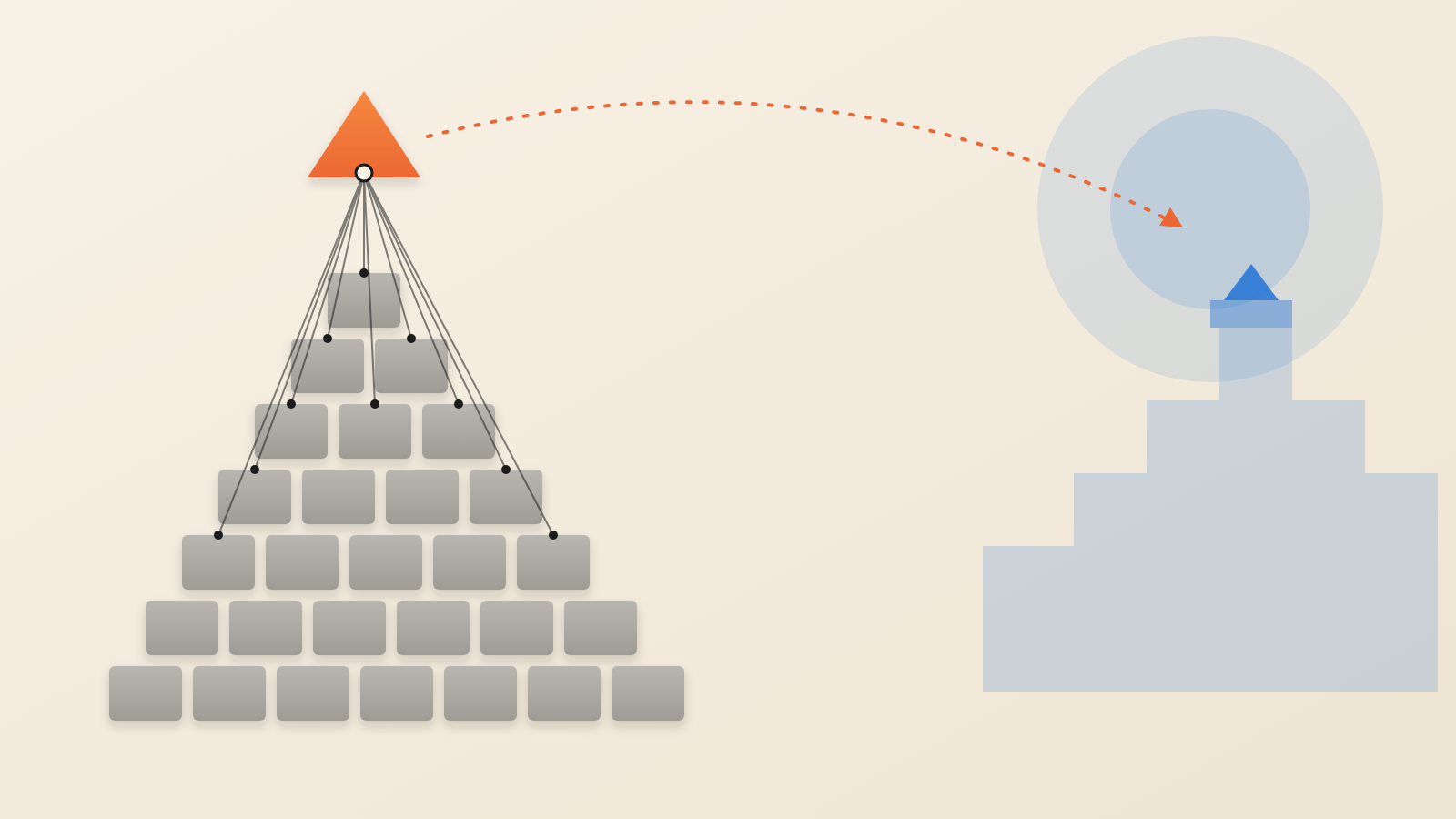
A modern rebuild — properly documented, properly tested, on a current framework with available talent — typically costs $80,000 to $300,000 one-time. The math is not close.

Why It Doesn't Get Fixed

The rebuild cost is visible and requires approval. The maintenance cost is invisible and distributed across budgets. The downtime cost is probabilistic — 'it might not happen this year.' The opportunity cost is unmeasurable — 'what would those developers have built instead?'

So the application persists. Another year. Another year of rising risk. Another year of declining talent availability. Another year where the rebuild gets more expensive because the gap between the old stack and the current one widens.

This is the legacy trap. And it's running in every organization large enough to have built custom software.
Related industries
Manufacturing Financial Services Retail & E-commerce
Share this insight
Share on X Share on LinkedIn
More insights
Business Efficiency

The Hidden Cost of Legacy Frameworks

May 2026 · 4 min
Read insight
Business Efficiency

The True Cost of Running WordPress: $4,200 to $38,000 Per Year Per Site

May 2026 · 8 min
Read insight
Business Efficiency

The WordPress Talent Crisis: Shrinking Supply, Rising Costs, Declining Skills

May 2026 · 6 min
Read insight
Stay informed

Get the quarterly WebPulse report

Framework health scores, new insights, industry intelligence. No spam.

WebPulse WebPulse

The world's first data-driven digital infrastructure intelligence platform. Scoring what matters for the AI era.

by adyog.com →
Explore
Insights Industries Regions Rankings 2026 Report
Tools
Check a site Score Your Stack Migration Calculator Compare Frameworks EOL Tracker Compliance Matrix
Topics
The AI-First Web Security & Trust Future-Ready Innovation & Growth Business Efficiency
Data
API Methodology
© 2026 adyog. All rights reserved. Scores computed algorithmically. No vendor pays for placement.