- Stack Overflow's field guide argues that production-ready agents come from the machinery around the model, not from a bigger model.
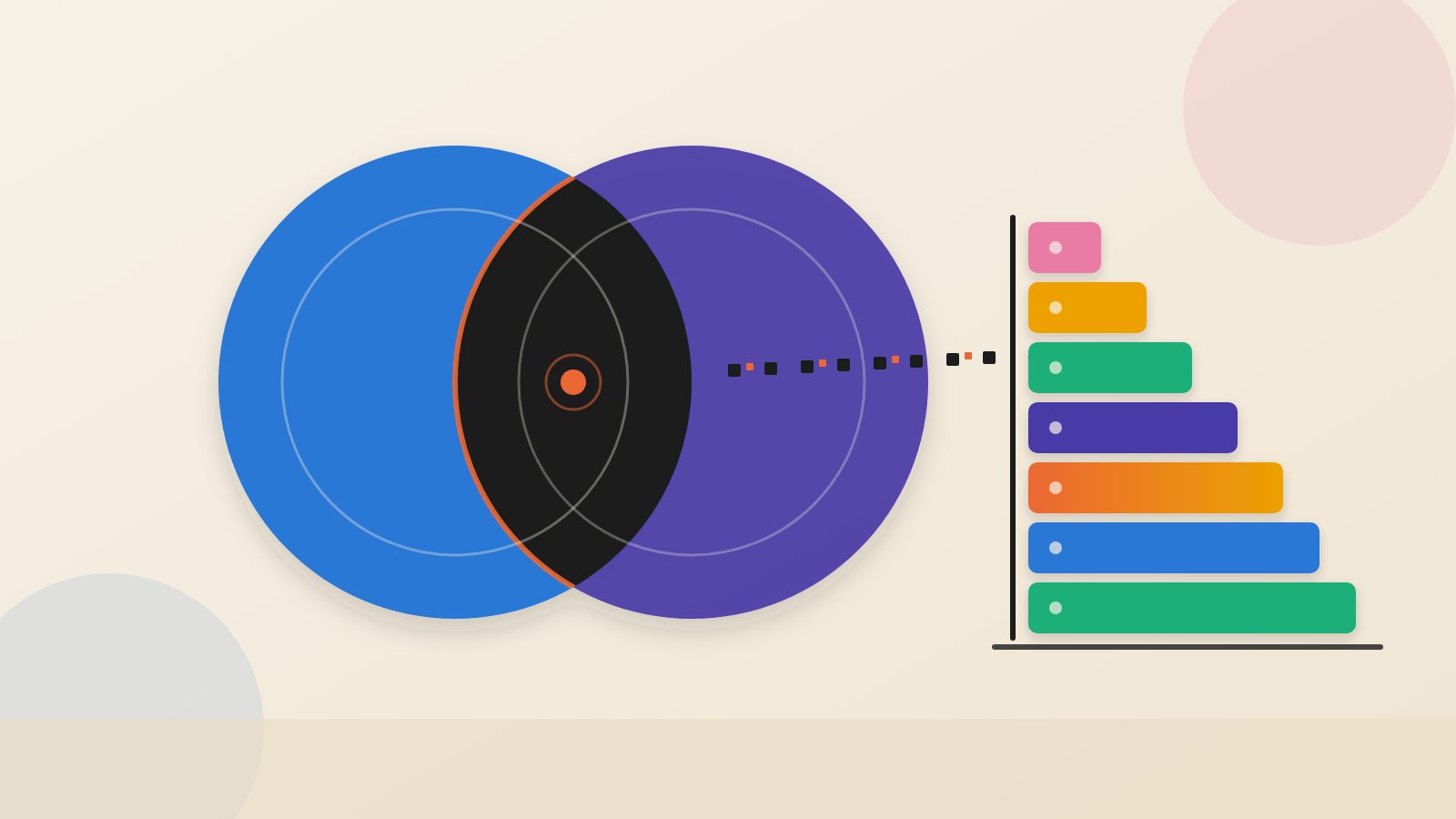
- Its maturity model has six levels above a notebook demo, from determinism to the discipline of the build itself, and should be climbed in order.
- Leaders can test their own teams with its checks: propose-only agents, eval gates, human routing, fail-closed guardrails and a fast kill switch.
The model is the small part
The common question is how much to trust an AI agent. Stack Overflow's guide asks something else: how little does the agent need to be trusted with? The lesson here is that reliability is built around the model. The model does not supply it on its own.
What Stack Overflow published
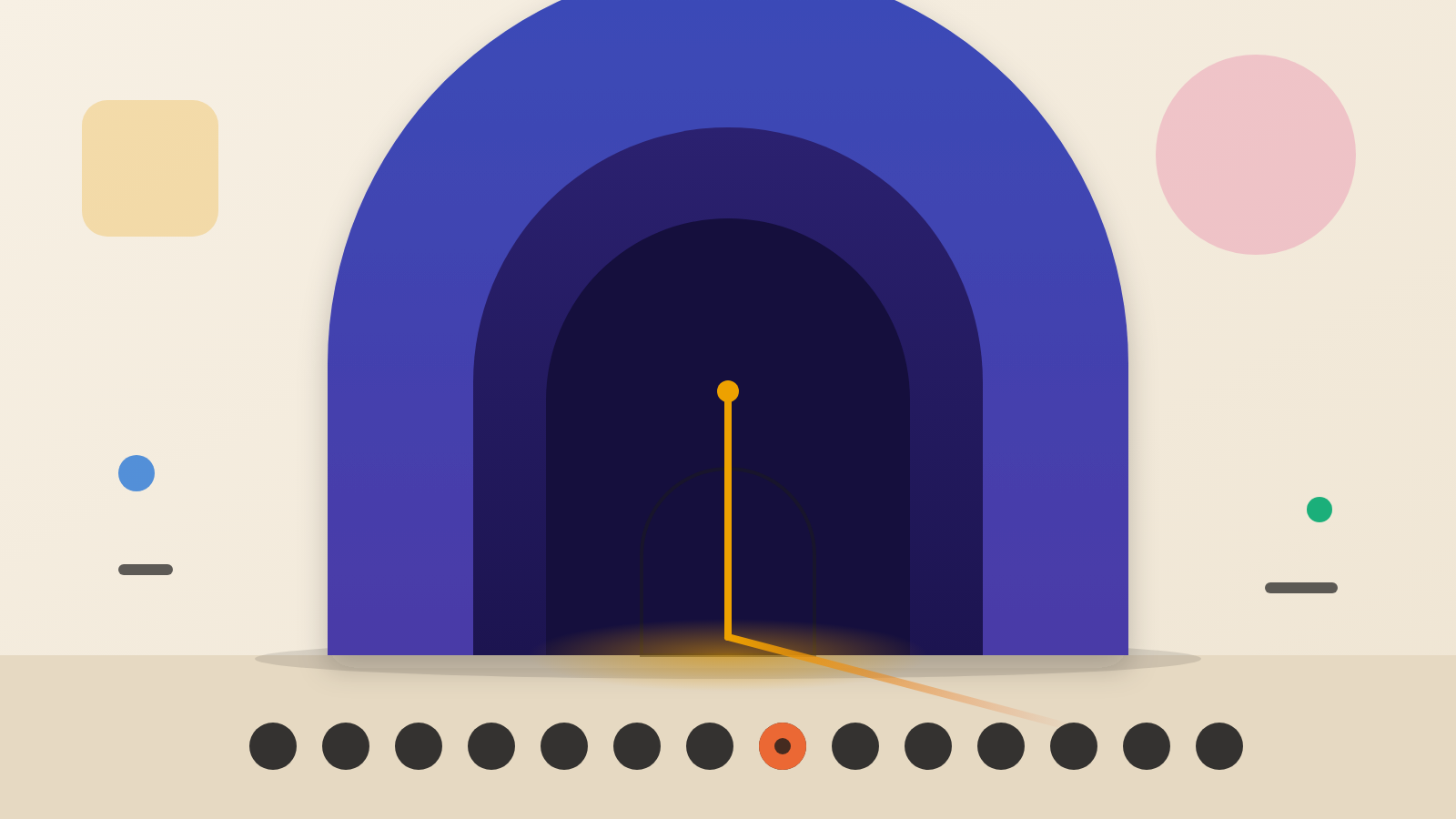
On October 8, 2026, Stack Overflow published a field guide to taking agents from demo to production. It describes a "canyon" between an agent that demos well and one you would put in front of customers or money.
Crossing it, the guide says, is not about a bigger model. It is about "the boring machinery around the model". The guide lists six parts: predictable behaviour, testing, confidence scores you can rely on, stacked safety checks, a record of decisions, and the ability to watch the system at work.
The guide is a maturity model with a self-assessment. It links to a deep-dive on each layer. It is a practitioner's framework, not a study. The text offers no measured results, so treat it as a checklist to test your own systems against.
How the containment works
The guide starts from a plain fact. Language models are probabilistic, but production needs guarantees. You cannot make the model deterministic. Instead, the guide says, give the model the narrowest judgment call you can. Everything around that call should be ordinary software that can be tested, blocked, logged and monitored.
In practice the guide describes several controls:
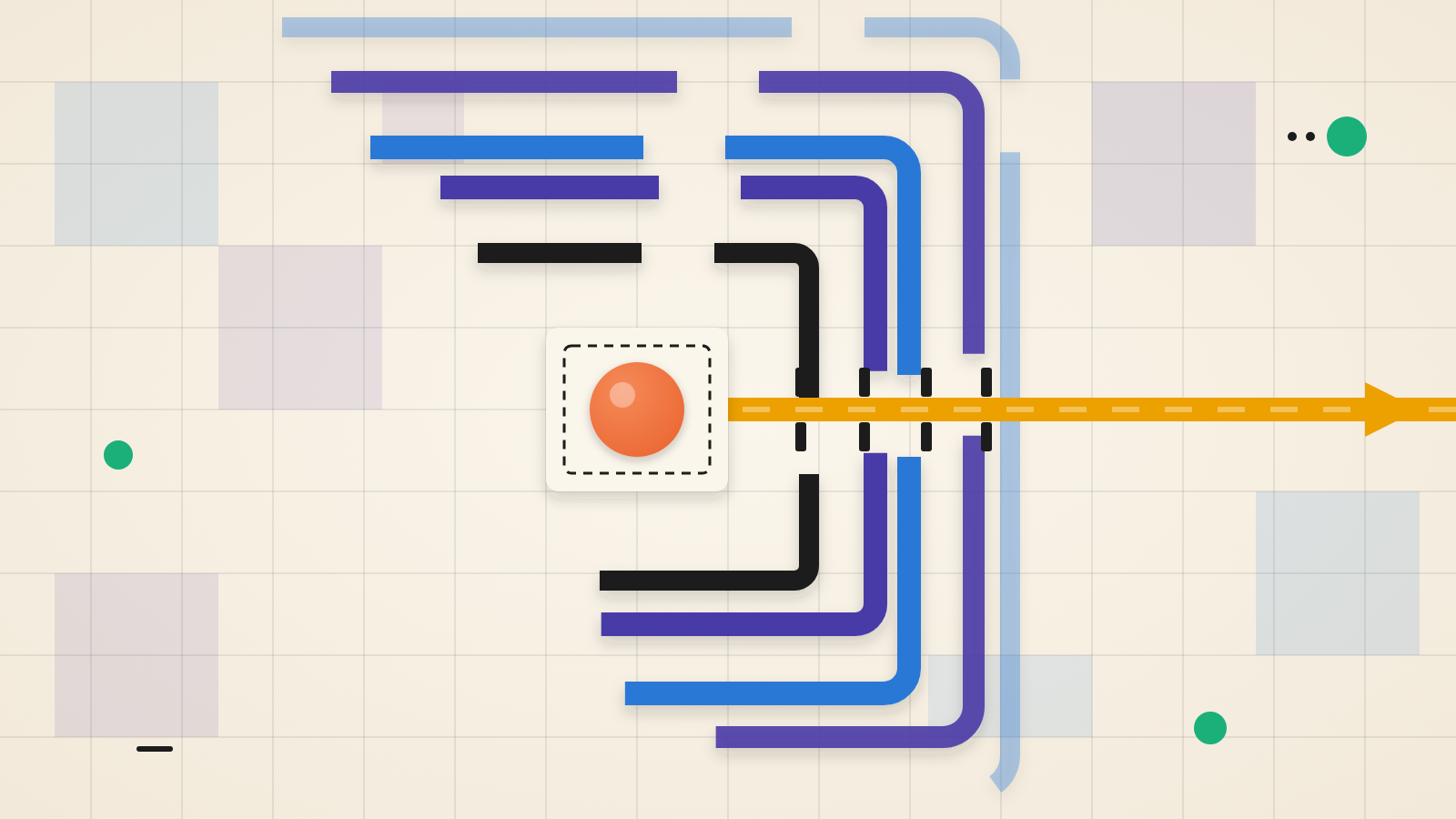
Propose, then apply. An agent can only propose a change. A separate component applies it after approval. The guide treats an agent that can write business state directly as a gap.
A fixed path. Every capability follows a set route, and the model occupies just one stop on it. Any loops are bounded.
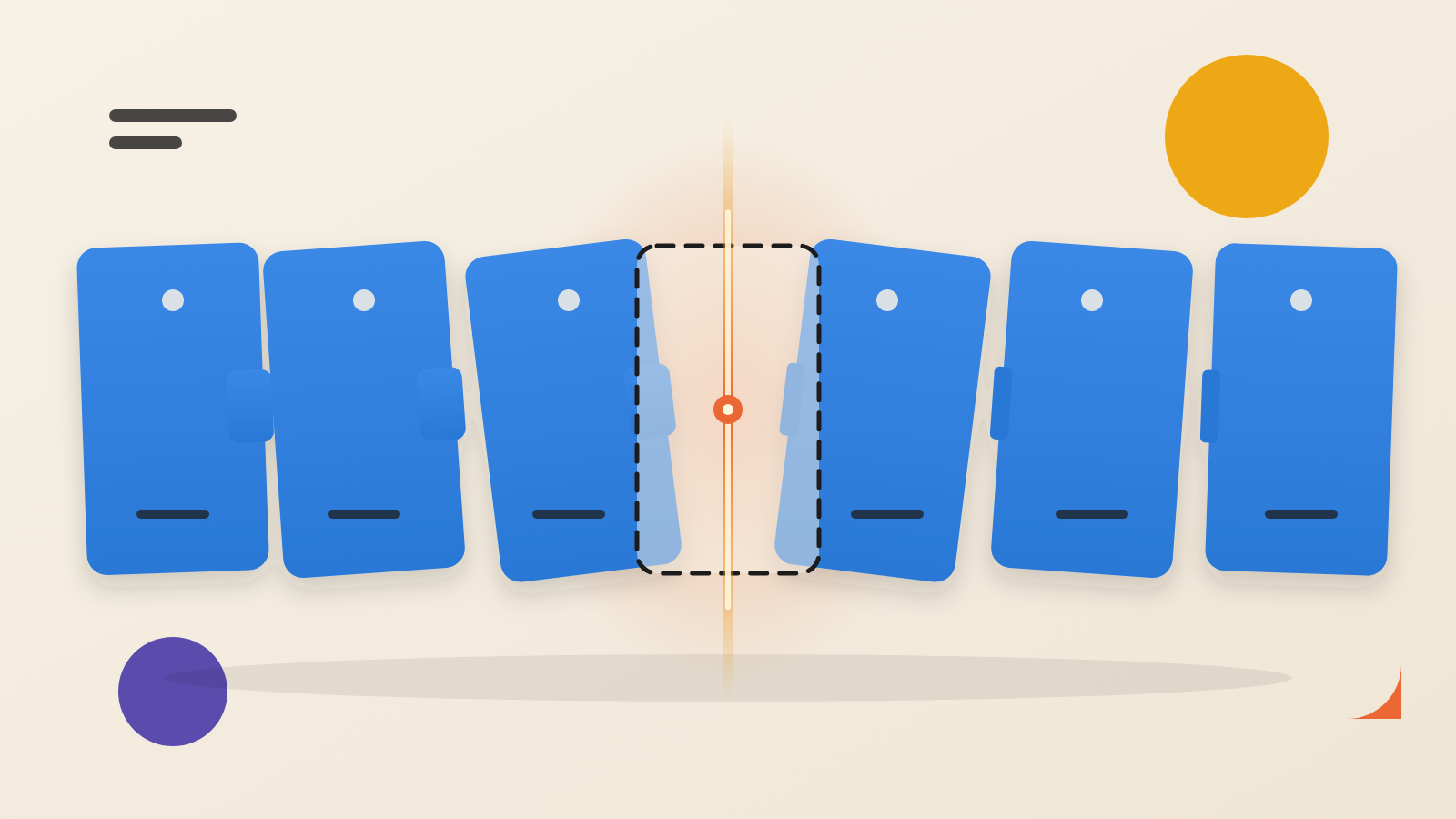
Tests as a gate. A prompt or model change that lowers quality fails the automated checks run before release. Each release is also compared with a baseline, not just a pass mark.
Calibrated confidence. Each decision carries a confidence score built from several signals. Low confidence goes to a person. The guide flags acting on the model's raw confidence, with no option to abstain.
Guardrails that fail closed. Checks on input, output, personal data, verification and a judge model are layered. Fail closed means that when a check breaks, the action stops.
An append-only record. Sensitive data is redacted or hashed at the boundary. The audit ledger is append-only, so entries are added, not rewritten.
A fast stop. You can halt automated decisions in seconds without a new deploy.
Order is the argument
The guide insists on sequence. Determinism comes before evals. Evals come before trusting confidence. Confidence comes before automating, safety before scaling, and observability "before sleeping at night".
It also says most teams are strong at Level 0, the notebook demo, and wish for Level 5. Level 5 is operability. The sign of a gap there is that you learn about quality and cost from the invoice and the customer.
In practice, that means the first warning of a problem comes from a bill or a customer, not from a dashboard. That is an illustration of the gap, not a case the guide describes.
A bank offers a useful parallel. It does not make each teller more honest. It adds limits, countersignatures and ledgers. The guide applies the same logic to a model. This shows where an agent's risk really sits. When an agent can write business records directly, a model error stops being a bad answer. It becomes a changed record.
Questions to put to your team
The guide's own test is simple. If you can tick fewer than half of its checks, you are earlier than the demo suggests. Use these questions to find out.
Can any agent write to a system of record, or can it only propose? Does a prompt change face the same tests as code, and against what baseline? What happens below the confidence threshold, and who receives the case? If a guardrail breaks, does the action stop? Can someone halt automated decisions in seconds, and who is allowed to? Do we learn about cost and quality from a dashboard or from an invoice?
A demo shows what the model can do. Production depends on what the system around it will not let the model do.
Produced by the WebPulse Newsroom with AI assistance from the original reporting credited below, and checked against that source by our editorial review. How we use AI.
Original reporting: Stack Overflow.