- Anthropic's Claude Security now rescans repositories as code changes, marks findings fixed when a fix lands, and reopens them if the flaw returns. It is in public beta for Claude Enterprise.
- Claude builds a threat model from the code. Teams edit it and add a knowledge base, and later scans use both to decide what to flag.
- Test it against your current tools during the free-credit period, and measure how often fixed findings reopen.
A security scan is a photograph. Code is a film. By the time the photograph reaches a manager's desk, the code it shows has often changed. Anthropic's latest Claude Security update tries to turn the photograph into a film.
Anthropic says thousands of organizations have used Claude Security since its public beta began in April, and that they found over a million vulnerabilities. The new version is in public beta for Claude Enterprise customers. Anthropic is also giving each organization free credit worth $25,000 a month for two months. The offer runs only to the end of 2026.
How the new version works
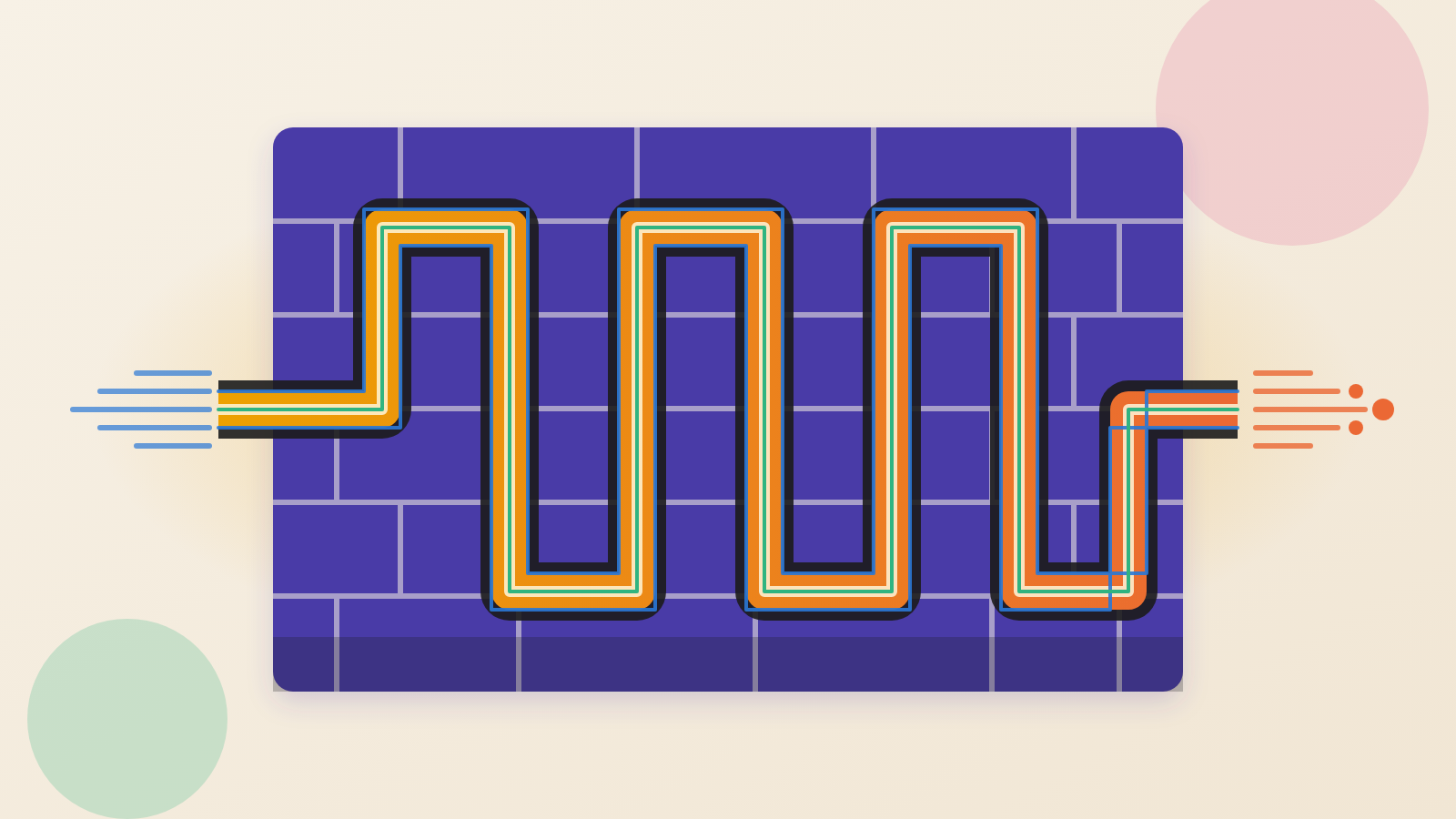
A team creates a project, connects its repositories and picks a branch and scope for each. Claude runs a deep baseline scan. After that, it scans changes regularly, based on their risk and complexity.
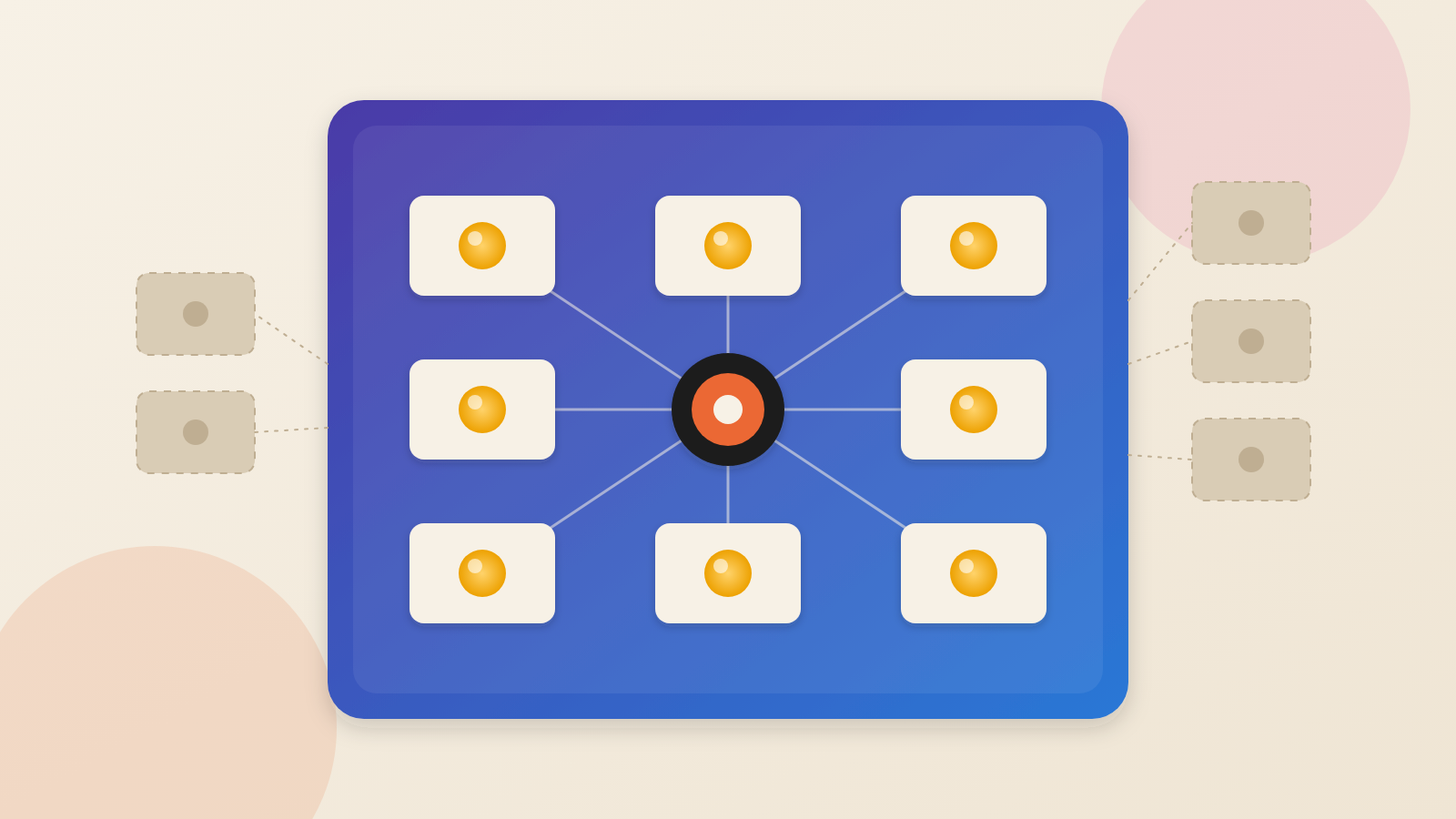
A project can hold several repositories. Anthropic says this lets Claude catch issues that sit between services. It gives one kind of gap as an example: a server that relies on the client to validate the data it sends.
Fix tracking is the other half. Claude Security compares each open finding with the code that changed. When a change resolves the problem, the finding is closed. The fix does not have to be made in Claude Code; a patch made by any route counts. If the issue shows up again, the finding reopens on its own.
The real feature is memory
The headline feature is scanning that keeps running. We think the more important idea is different. The update gives the scanner a memory.
Some security failures are bugs someone fixed and a later change brought back. A tool that remembers what was closed, and reopens it without being asked, targets that gap. This is our argument, not a finding. Anthropic gives no figure for how often fixed bugs return, so we cannot say how common the problem is.
Your assumptions become part of the filter
Each project has a knowledge base. Here the team records what a scanner cannot see in code: how the system is deployed, which policies apply, and what a newcomer to the security team would need to know. Claude Security also builds a threat model from the code, which the team can review and edit.
Later scans use that threat model to decide what is worth flagging. Anthropic says the added context helps the tool skip risks the environment already handles.
In a testimonial published by Anthropic, a customer said that once the team wrote its own risk policy into the threat model, the findings matched how it prioritizes, rather than following only a severity score. Help Net Security identified the speaker as Nathan Hunstad, Director of Security at Vanta.
The trade-off is plain. Whatever the team records now shapes what the scanner reports. If a note says a service is internal-only and that stops being true, the scanner may skip risks it should report. The source does not say how stale assumptions are caught. The threat model is now a security control, and it needs an owner.
Wiring it into daily work
Anthropic has added an API so other systems can read project and finding data, close or reopen findings, and set up projects and repositories. A personal access token sees and changes only what its user can. Webhooks notify other systems when a new finding appears.
Claude Security can also be reached from Claude.ai and Claude Code through an MCP connector. MCP is a standard way for AI tools to reach other software. Anthropic describes a single session in which an engineer opens a finding, discusses it with Claude, begins the fix and marks the finding resolved.
Admins can now set permissions separately for viewing projects, triaging findings and creating projects. More code-owning teams can get access without all of them being able to create projects. In practice, whoever can resolve a finding can close out a security issue, so that deserves a deliberate decision.
What the evidence shows so far
The evidence is Anthropic's own. Its page carries customer quotes. One says a traditional pen test run at the same time missed material issues that Claude Security found. Another says it found logic flaws that none of the customer's other tools had caught.
These are selected testimonials, not a controlled comparison. The source gives no false-positive rate. It does not say how many of the million-plus findings were confirmed or fixed.
Questions to put to your team
Who reviews and signs off the threat model, and is there a change history? Which repositories belong in one project, given the cross-service checks? Who may resolve findings through the API or the connector?
Use the credit period as a trial. Run the tool beside your current scanning and your latest pen test. Then count three things: findings your other tools missed, findings that turned out to be noise, and fixed findings that reopened. The source does not state pricing after the credits end, so ask before you commit.
A scan tells you what was true on one day. The tool worth paying for is the one that tells you whether it is still true next month.
Produced by the WebPulse Newsroom with AI assistance from the original reporting credited below, and checked against that source by our editorial review. How we use AI.
Original reporting: Anthropic.