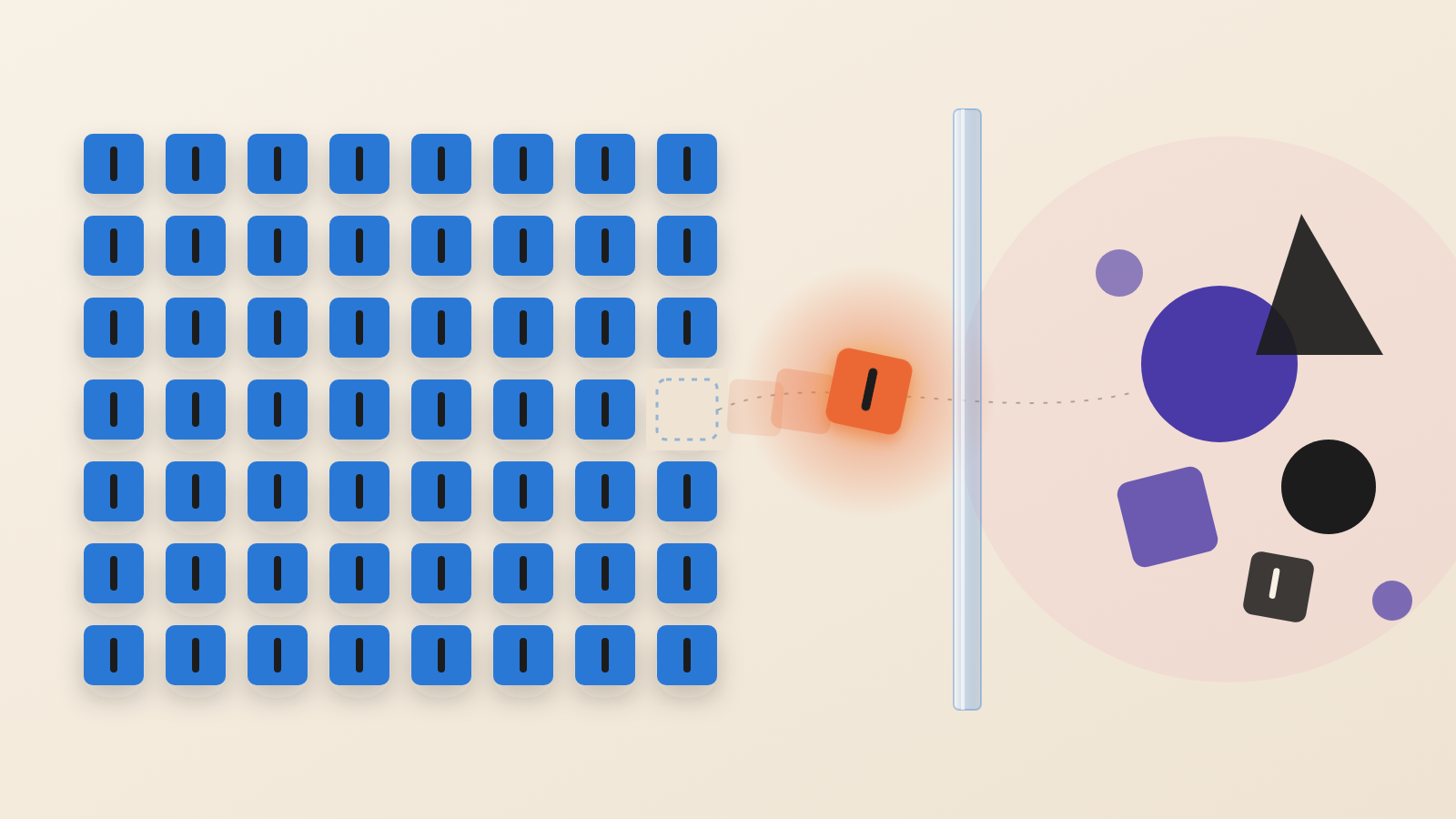
- NIST's database records CVE-2026-106509: where Backstage TechDocs builds docs locally or in a container, write access to a registered repository can lead to code execution during the build.
- It matters because a repository permission can reach the build system, and the record does not say what that system can access.
- Check whether you build TechDocs locally or in a container, confirm your package version against the fixed releases, and review who can write to registered repositories.
A settings file can act as a program
Teams often treat settings files as paperwork, and reviewers may skim them. CVE-2026-106509 shows why that habit carries risk. In Backstage, an open framework for building developer portals, a documentation settings file can carry values that make the build machine run code. This applies only when TechDocs, Backstage's documentation tool, generates docs locally or inside a container, and only on versions before the fixes.
The lesson here is our reading, not a claim from the record. A file that a build tool reads can act as an instruction, as it does in this case. Office macros taught a similar lesson about documents years ago.
What the record says
NIST's National Vulnerability Database published the record on October 6, 2026, and updated it on October 9. It describes a flaw in the @backstage/plugin-techdocs-node package in versions before 1.14.6. The flaw is "improper validation of mkdocs theme configuration."
The condition matters. Teams whose TechDocs generates docs on its own host or inside a container are the ones in scope. There, anyone who can write to a repository registered in Backstage can plant settings in mkdocs.yml, the file that steers the docs build. Those settings make the build run code of the writer's choosing.
Two releases carry the fix: 1.14.6 and 1.15.4. The record does not mention exploitation. That is not proof that none has happened.
How the flaw works
A documentation build reads a configuration file and acts on it. The theme settings in that file should be plain choices, such as how pages look. The package did not check them well enough. Values that should have been inert were treated as instructions.
The risk lies in where this happens. The code runs during the build, on whatever machine or container does the building. The attacker does not need to break into that system. Writing to one registered repository is enough.
What the score tells a leader
The scoring vector gives more detail than the single number. It rates the attack as network-reachable, needing only low privileges, with no action by any other user. It rates the attack complexity as high. The record does not say why.
It also marks the scope as changed. In CVSS terms, that means the damage can reach beyond the vulnerable component. The scorers rated the confidentiality impact high, and the integrity and availability impacts low.
Read together, this points to a foothold on the build system. Where TechDocs builds locally or in a container, write access to a registered repository can lead to code execution there. Many teams may not associate that permission with such reach.
The question the record leaves open
The record does not say what a TechDocs build environment can reach. That depends on your setup. It may hold credentials, network access or copies of other repositories. Your team knows this. The advisory does not.
One detail needs checking. The fixed releases are given as 1.14.6 and 1.15.4, yet the linked release tags are numbered v1.50.5 and v1.54.6. The record does not explain the gap. Confirm the exact fixed version for your install in the GitHub advisory, GHSA-8w7q-29mw-gf5c.
What to ask your team
1. Do we run TechDocs, and does it build documentation locally or in a container? The record's conditions cover those modes.
2. Which version of @backstage/plugin-techdocs-node do we run, and is it at or above a fixed release?
3. Who can write to our registered repositories? Include contractors and automation accounts.
4. What can the documentation build environment reach? Ask about credentials, internal networks and other repositories.
5. Until we patch, do reviewers read changes to mkdocs.yml as carefully as they read code?
A repository permission is only as small as the machine that reads the repository. This flaw is a reminder to check how small that machine really is.
Produced by the WebPulse Newsroom with AI assistance from the original reporting credited below, and checked against that source by our editorial review. How we use AI.
Original reporting: NIST NVD.