- Anthropic's new OSS Scanner sends AI-written vulnerability reports to enrolled open-source maintainers with no human review. Anthropic expects a true-positive rate above 90%.
- Anthropic says finding flaws is easier than ever, while verifying and fixing them remains hard, so the checking work falls on whoever receives the reports.
- Ask which open-source and industrial suppliers can keep pace with a faster flow of findings, and how long known flaws stay open.
Finding a software flaw used to be the hard part. Anthropic now says it is easier than ever. The scarce resource is a person with time to confirm a finding and fix it. That shift sits behind two programs the company announced this week. It also carries a lesson for anyone who depends on software they did not write.
What Anthropic announced
Anthropic launched the Anthropic Cyber Mission, which begins with two efforts. The first is OSS Scanner, a free, opt-in service that runs the company's strongest models over open-source projects. The second is the Critical Infrastructure Defense Program. It supplies Claude models, engineers who work alongside customers, and Anthropic's threat research to the providers that operators of industrial systems rely on.
Both programs grew out of an admission. Partners in Anthropic's earlier Project Glasswing turned up many vulnerabilities. Yet the company concedes that overall cyber risk has not fallen far enough. In Glasswing, it often saw months pass between a flaw being found and a fix landing.
How OSS Scanner works, and what it gives up
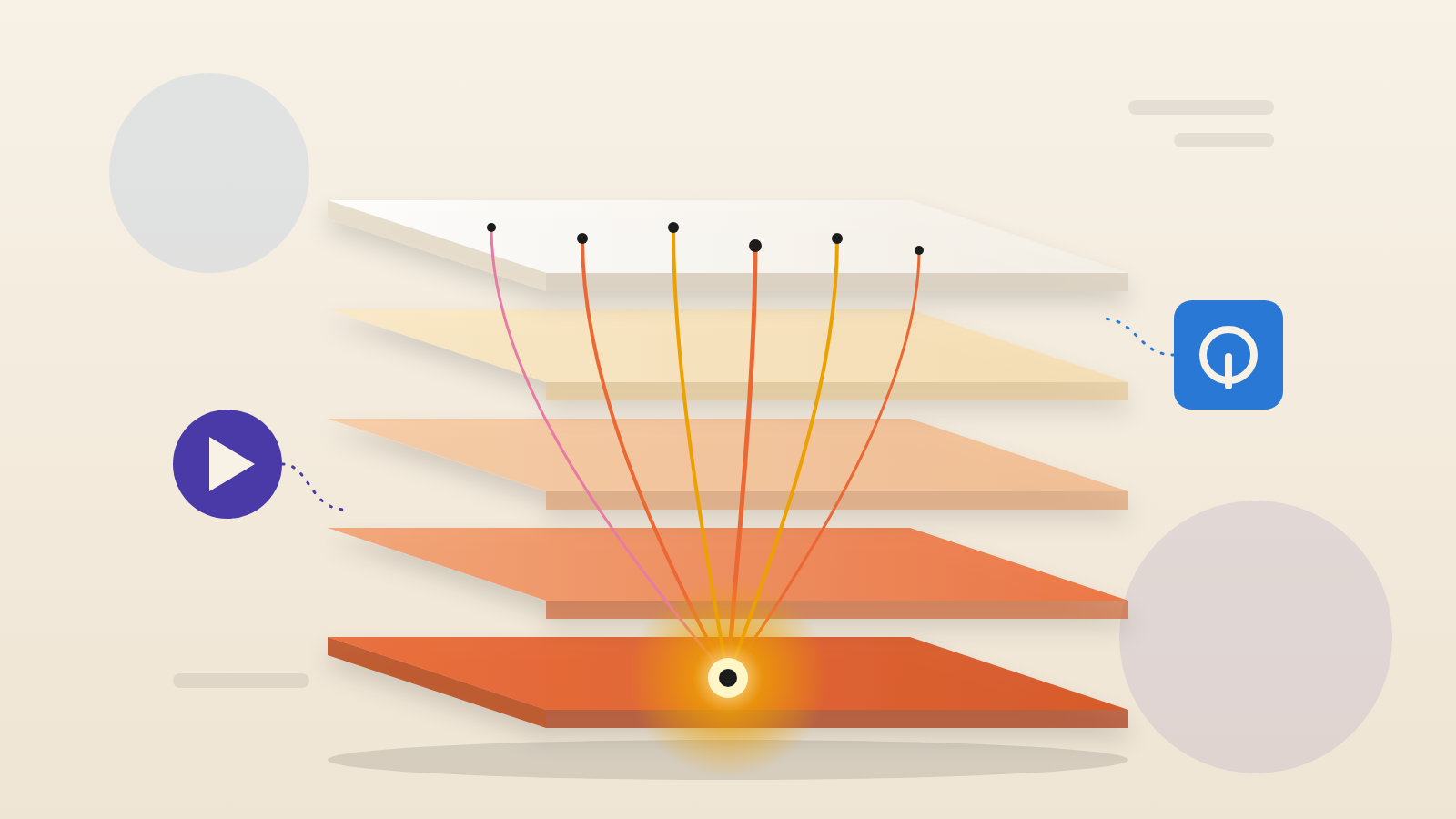
Anthropic says OSS Scanner is inspired by Google's OSS-Fuzz. Enrolled projects get scans at regular intervals. Each report carries a demonstration of how the bug could be exploited, a description of the problem, and a proposed patch when one exists.
The notable design choice is the absent reviewer. In the Glasswing process, people screened many findings before maintainers saw them. Some maintainers who could handle large volumes asked for the models' full output, checked or not. OSS Scanner answers that request. Reports arrive faster, but nobody at Anthropic vets them first.
Anthropic admits the trade-off. Some reports will be wrong in places, for example by misjudging how severe a bug is. The company expects more than 90% of findings to be real and plans to raise that over time. That figure is a forecast, not a measured result.
The idea: the bottleneck has moved to the receiver
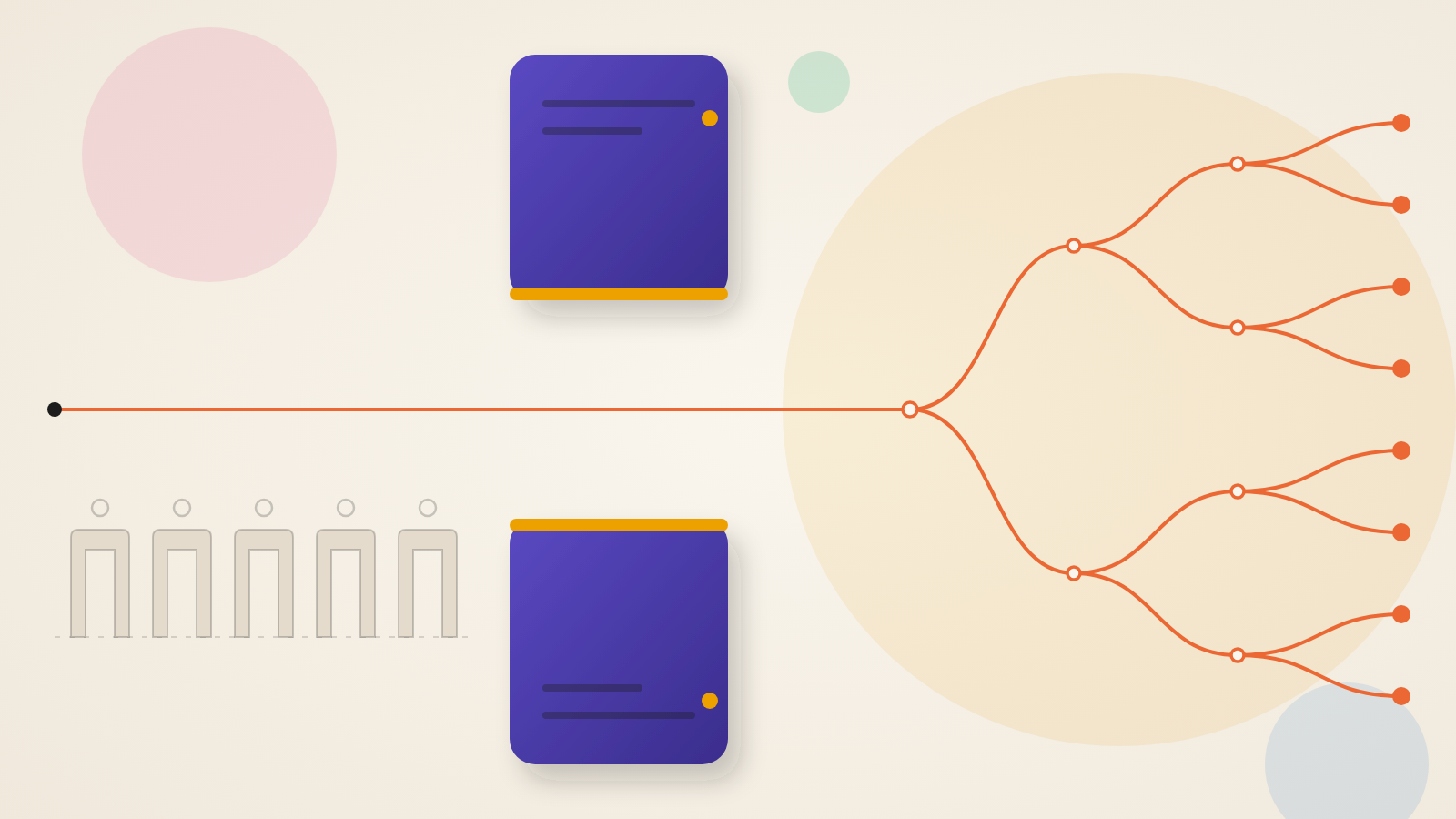
The lesson here is that AI has not removed the work of security. It has moved the work downstream. A scanner that produces reports at machine speed leaves a person at the other end deciding which ones are real.
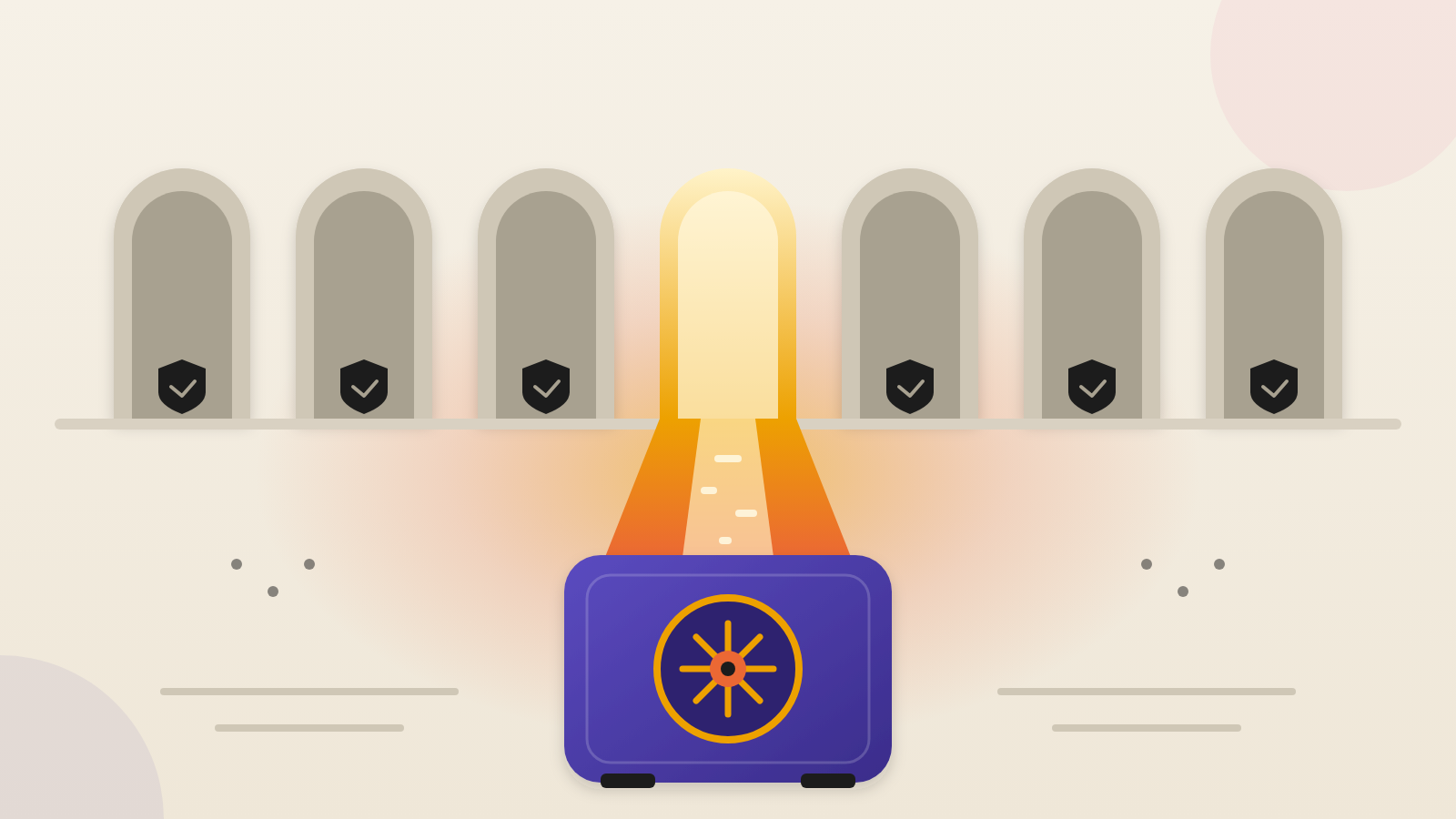
Picture a smoke detector that now sounds far more often while the fire crew stays the same size. The alarms help only if someone can respond. Anthropic built the service with that in mind. It is aimed at projects able to keep pace with the findings, and other projects still receive human-verified disclosures.
So the checking falls on maintainers who choose to enroll. That is a reasonable design. It leaves an open question, though. Anthropic itself notes that small volunteer groups look after much of the open-source code that nearly all software depends on. If a project enrolled without the time to triage, would a faster stream of unverified reports help or bury it? The announcement does not say.
Even a rate above 90% leaves some reports that are wrong. Each one still costs a person time: reading it, trying the exploit and ruling it out.
Anthropic has also paid into the human side. Its funding went to the Python Software Foundation, the Apache Software Foundation and, through the Linux Foundation, Alpha-Omega and OpenSSF. It also backs Akrites and Gold Eagle, which gather vulnerability reports from many origins and route them so maintainers are not swamped. Its Defender Advantage Fund keeps OSS Scanner free.
Why industrial systems widen the gap
The second program targets operational technology: the controllers and control software behind power grids, water utilities, factories and transport. Anthropic describes equipment that has to keep running. For that reason, a weakness the industry already knows about can sit unfixed for years. Anthropic adds that, in rare instances, waiting for a safe moment to repair a machine could stretch to decades.
Here a faster finding does not mean a faster fix. A mistake can stop a plant, so changes wait for a safe moment. Anthropic reports that several partners already use Claude to repair flaws and to help their customers do likewise. The company also cautions that AI cannot solve many of the difficulties of defending critical infrastructure.
This is a vendor announcement. The accuracy figures are Anthropic's own, and the announcement cites no independent evaluation. Anthropic says it will share what it learns, including what did not work.
Questions to put to your team
Which open-source components sit inside your products, and do their maintainers have the staff to handle a faster flow of reports? A dependency that cannot keep up is a risk, whatever a scanner finds.
If your people receive AI-generated findings, who triages them? How is severity checked rather than trusted? Anthropic itself warns that severity ratings may be off.
For industrial systems, ask suppliers and integrators how long a known flaw stays open on a running machine. Ask what the plan is when a patch cannot be applied. Ask whether your providers are among the program's partners, and what that changes in practice.
Anthropic says finding flaws is easier than ever. The organizations that benefit will be the ones that can afford to read the results and act on them.
Produced by the WebPulse Newsroom with AI assistance from the original reporting credited below, and checked against that source by our editorial review. How we use AI.
Original reporting: Anthropic.