- Akamai published a demo that lets a site charge AI agents per request at the edge, using the x402 payment standard, without changing the origin server.
- Akamai says documented x402 spending is mostly agents buying compute and data. Content crawlers such as GPTBot do not yet pay.
- Leaders should find out how much agent traffic they carry and decide whether to block it, give it away or price it.
For about 20 years, the web ran on a simple trade. Publishers gave content away, and ads or subscriptions paid for it. Search engines crawled under unwritten rules. Content-scraping bots do not fit that trade. They read the page, use it, and send no reader back.
Akamai, the content delivery network, has published a walkthrough of one way to change the terms. Its engineer Deepak Jha shows how a site owner could charge an automated client per request, with no signup and no credit card. The post is a vendor demo, and Akamai says so. It is still a useful look at where the web may be heading.
The idea: a price tag for machines
The lesson here is that the web could be getting a price tag for machines, not just a locked door. Until now a site owner facing a bot has had mostly two choices: absorb the cost or block it. Akamai notes a third route: API keys, prepaid credits and manual invoicing. It says these human-shaped flows fit how agents work poorly.
Akamai calls blocking a defensive move that also pushes a publisher out of whatever AI-driven discovery comes next.
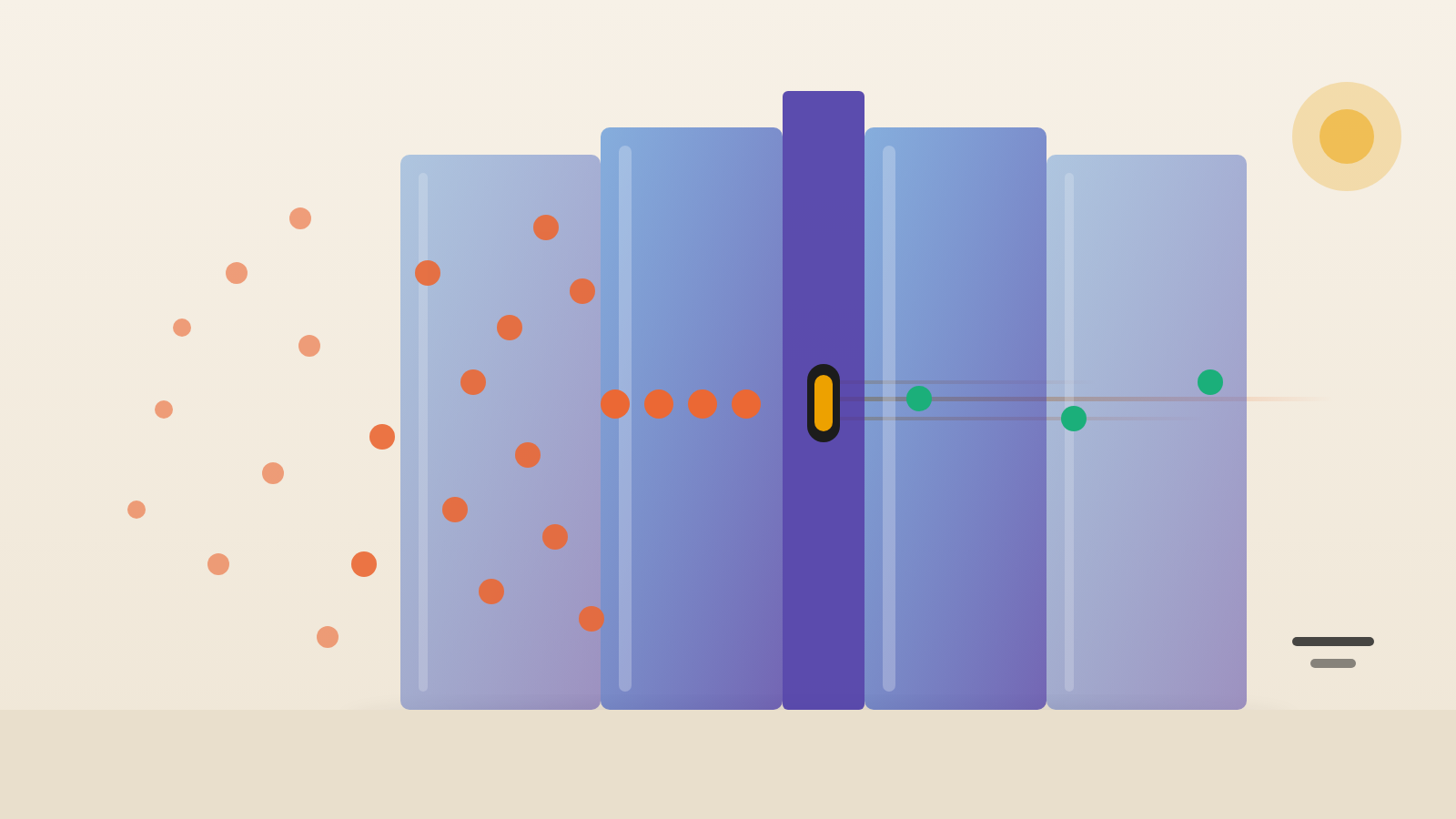
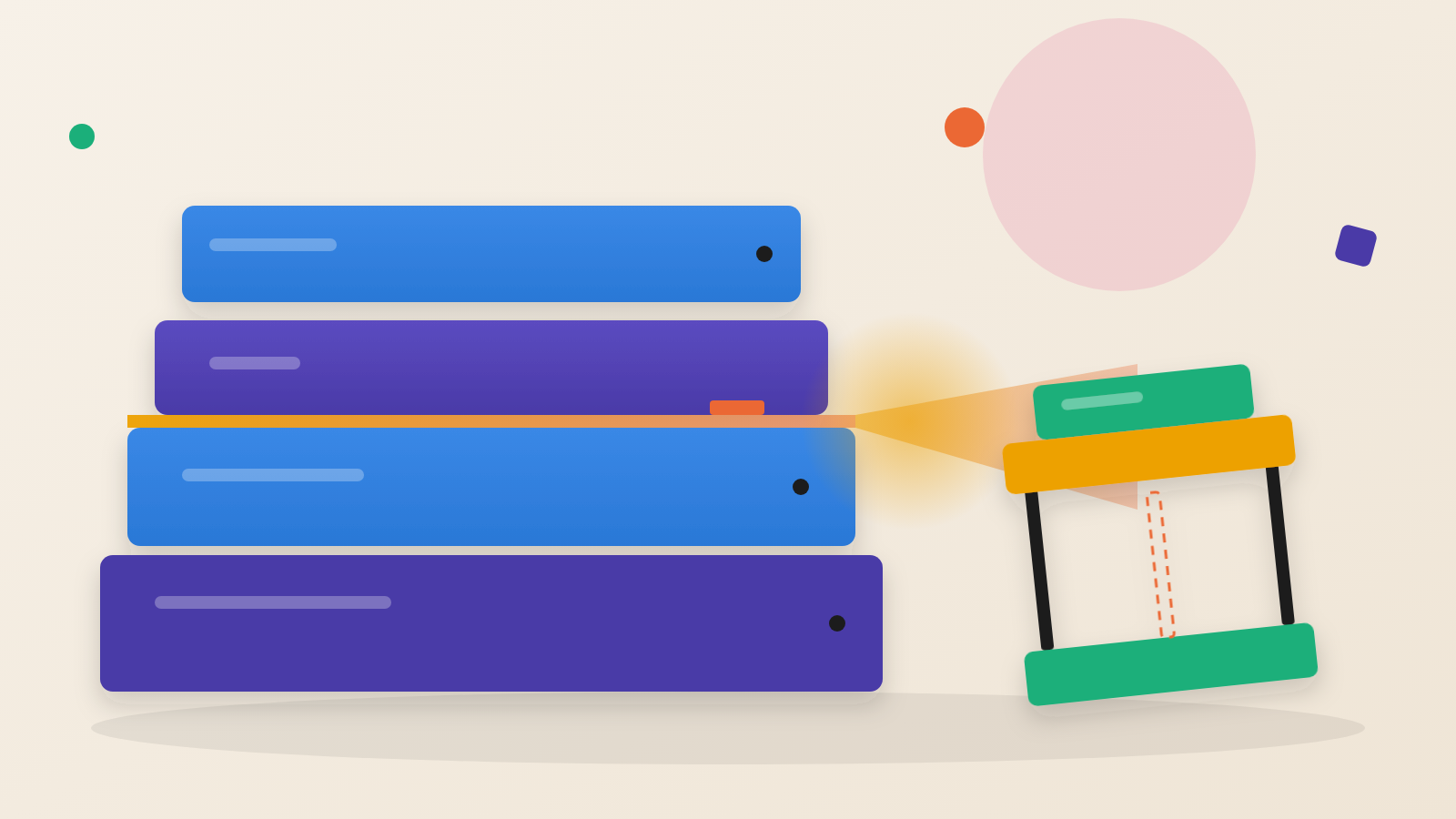
The tool is x402, an open standard. It reuses HTTP 402 "Payment Required", a status code that sat unused for years. The server replies with a price. The agent signs a payment and tries again. The whole exchange happens in one request and one retry.
How the gateway works
Akamai's design has four parts, each with one job.
First, a rule in Property Manager, Akamai's configuration tool, sorts traffic. Only requests tagged as AI-agent traffic are rerouted. Humans and search crawlers reach the real site as before. The tag is a single header, X-Detected-Agent. Akamai's Bot & Agent Control sets it, or a simple list of User-Agent names where that product is missing.
Second, a small program on Akamai Functions runs the paywall. It is built as a WebAssembly component, a compact format that starts fast. It answers with the 402 and the price, checks the retried request, and passes paid requests to the origin.
Third, a separate service called a facilitator verifies the signed payment and settles it on a blockchain. The gateway never holds private keys. On the Ethereum-style "exact" scheme, the agent does not send funds itself. It signs a message that authorizes the transfer, and the facilitator submits the transaction and pays the network fee. Agents therefore need a small USDC stablecoin balance, but no ETH.
Fourth, the origin stays untouched. It receives a header confirming payment.
Two design choices matter for cost and fairness. The gateway runs only when an agent arrives, so Akamai says cost tracks revenue. A short-lived flag in Spin's key-value store also lets one payment cover a full page session. Without it, the dozens of requests behind one page load would each be billed.
Who is paying today
Akamai calls these figures directional, not independently audited. On those numbers, the average payment is roughly 32 cents. That is WebPulse's arithmetic, not Akamai's.
The more telling point is what the money buys. In Akamai's read, the adoption it can document is mostly agents paying for infrastructure. Examples include GPU inference, compute provisioning, market and social data, and tool calls over Anthropic's MCP protocol. In these cases an agent is doing a task for a paying person or business, so the purchase is already budgeted.
Content crawlers are a different story. Akamai says today's crawlers such as GPTBot, ClaudeBot, PerplexityBot and CCBot are not wallet-equipped or set to autopay. Akamai says paying content crawlers "may be next". It adds that a 2026 article suggests Google has started a pilot to pay selected publishers. The post does not name that article. Treat it as a single unverified pointer.
What the evidence does not show
This is one vendor's demo, not a measured shift. The post offers no figures on how many publishers have turned on agent paywalls or what they earn. Akamai states the demo leaves out replay protection on the X-PAYMENT header, and uses literal pay-per-hit pricing instead of a real session model. It calls these hardening steps, not architecture changes.
There is also a quieter dependency. The whole scheme trusts one classification header. If detection mislabels a human or misses an agent, the wrong party is charged or the wrong one gets in free.
Questions for your team
The practical value for executives is in the questions this raises, whether or not you ever deploy x402.
How much of our traffic is automated agents, and which of them take content without sending readers back? Whatever we do today, we are mostly giving it away or blocking it. Has anyone chosen that on purpose? If we sold data or API access, could an agent buy it without a human signing up?
If we priced access, who would own the wallet, the pricing, and the check on classification errors? Who would test replay protection before launch?
For now, the payment rails look further along than the paying customers. The sensible first step is measurement, not a paywall. If more agents begin to arrive with wallets, teams that already know what agents take from them will be better placed to set a price.
Produced by the WebPulse Newsroom with AI assistance from the original reporting credited below, and checked against that source by our editorial review. How we use AI.
Original reporting: Akamai.