- Keshia Rose of Fingerprint said AI token fraud repeats familiar abuse: fake free-trial accounts, stolen cards and hijacked accounts, now aimed at AI credits.
- For anyone who gives away or sells AI usage, our reading is that old fraud controls now guard something thieves actively want.
Keshia Rose, who works in developer relations at the fraud-prevention company Fingerprint, argued that fraud against AI services is not a new kind of crime. She made the point on the Software Engineering Daily podcast, in an episode on fraud prevention and AI agents. In her telling, it is familiar abuse aimed at a new target: AI tokens, the units that meter how much someone can use an AI model.
What was said
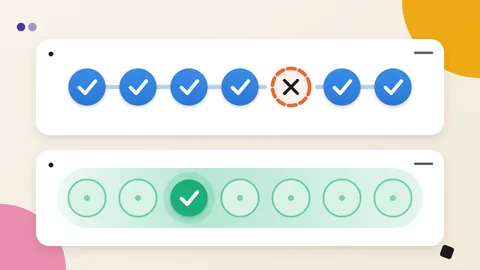
Rose gave three examples. The first is free-trial abuse. A company offers free tokens or credits, and someone opens a pile of fake accounts to use them all up. The second is stolen credit cards, used to buy higher quota limits for tokens. The third is account takeover: breaking into someone else's account to spend their quota.
She summed it up this way: "AI token fraud is really just the same types of abuse with a new label on it, right?" She said these are the same use cases translated to a new technology and a very hot topic.
Rose said Fingerprint's main customer cases already include account takeover, free-trial abuse, new-account fraud and chargeback disputes. Those are cases where a customer contests a card payment. She also described SMS pumping, an older scheme that abuses login pages. Attackers trigger one-time passcode texts again and again, and the company is billed for each message. She said she is not an expert on that scheme.
Why it matters
Our reading: if you give away or sell metered AI usage, you now hold something thieves want to spend. The weak points are the ones fraud teams already know. A free tier that counts a "new user" by email address alone is one. A card payment that can be disputed later is another. An account with weak protection is a third.
The practical step is to treat credits like cash. Ask who pays when a stolen card buys quota, and what stops one person from claiming a free tier many times. Rose's point suggests you do not need a new playbook first. You need to apply the old one where the value now sits.
The other side
Rose works for a company that sells device recognition, so her framing suits her employer. The excerpts also give no figures on how much AI token fraud exists or what it costs. Her claim is about the pattern of abuse, not its scale.
The tools themselves have limits. The show notes say cookies are easy to clear, and that IP blocking and CAPTCHA puzzles can frustrate real users while doing little against a determined attacker. Host Gregor Vand added that bots can now solve many such puzzles, and he questioned who they really stop. The episode raises that tension but, in these excerpts, does not settle it.
Written by the WebPulse Newsroom with AI assistance, and checked by our editorial review: every quotation was verified against the recording's transcript. How we use AI.
The conversation this talking point comes from
- Software Engineering Daily: Fraud Prevention in the Age of AI Agents (2026-11-12)