- Viren Baraiya argued that the code running an AI agent in production is an old workflow idea, with the agent choosing the steps at runtime.
- Our reading is that teams with durable workflow experience may have a head start, though the talk did not measure what that legacy costs.
The software wrapped around an AI agent is not a new invention. Viren Baraiya, co-founder and CTO of Orkes and original creator of Netflix Conductor, made that case on the AI Engineer show. He said agent harnesses, the code that runs an agent in production, are "essentially late-bound sagas."
What was said
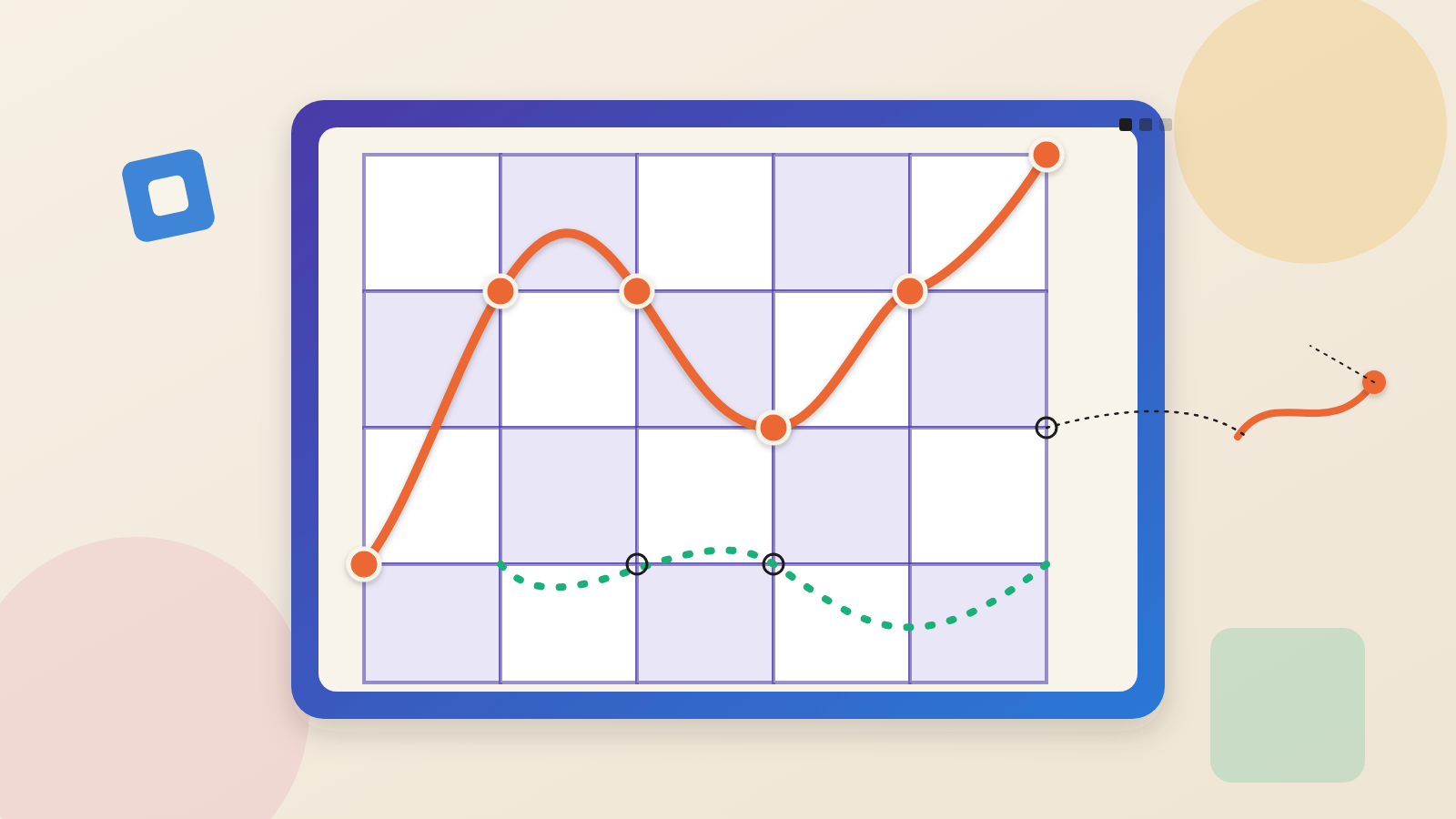
Baraiya split the work into brains and hands. The language model is the brain, and the harness is the hands. He put the brain's job this way: "the responsibility of a non-deterministic agent is to plan, is to plan what should happen next, not really to do things." Non-deterministic means it may answer differently each time.
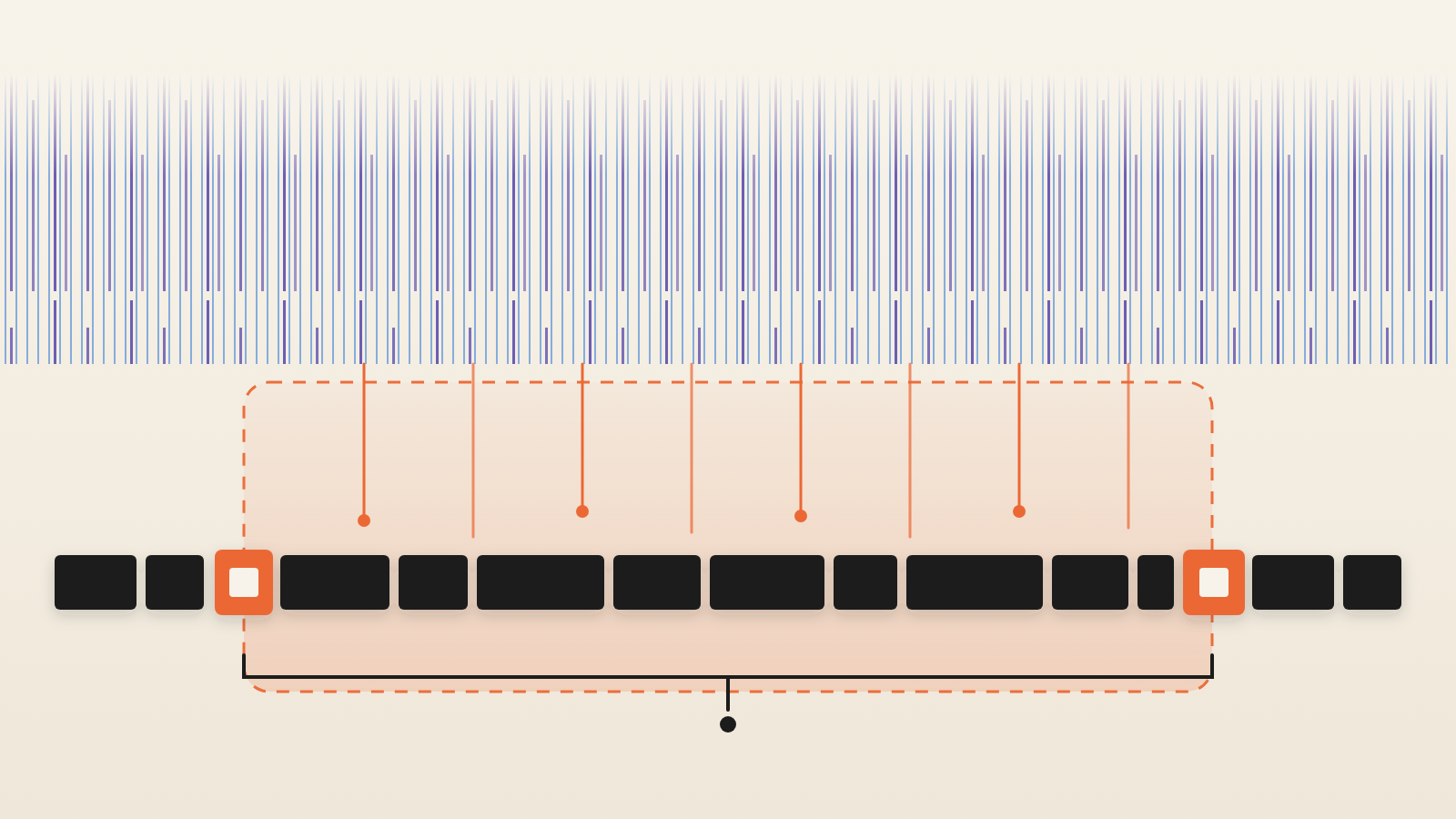
His example was an agent that watches over servers. If it says a cluster is unhealthy, the harness decides how to restart it. He wants that process to be the same for every cluster. For a production cluster, the harness might message a person for approval first. It also records each side effect, such as a restart or a sent email. If a step cannot be safely repeated, it records that too.
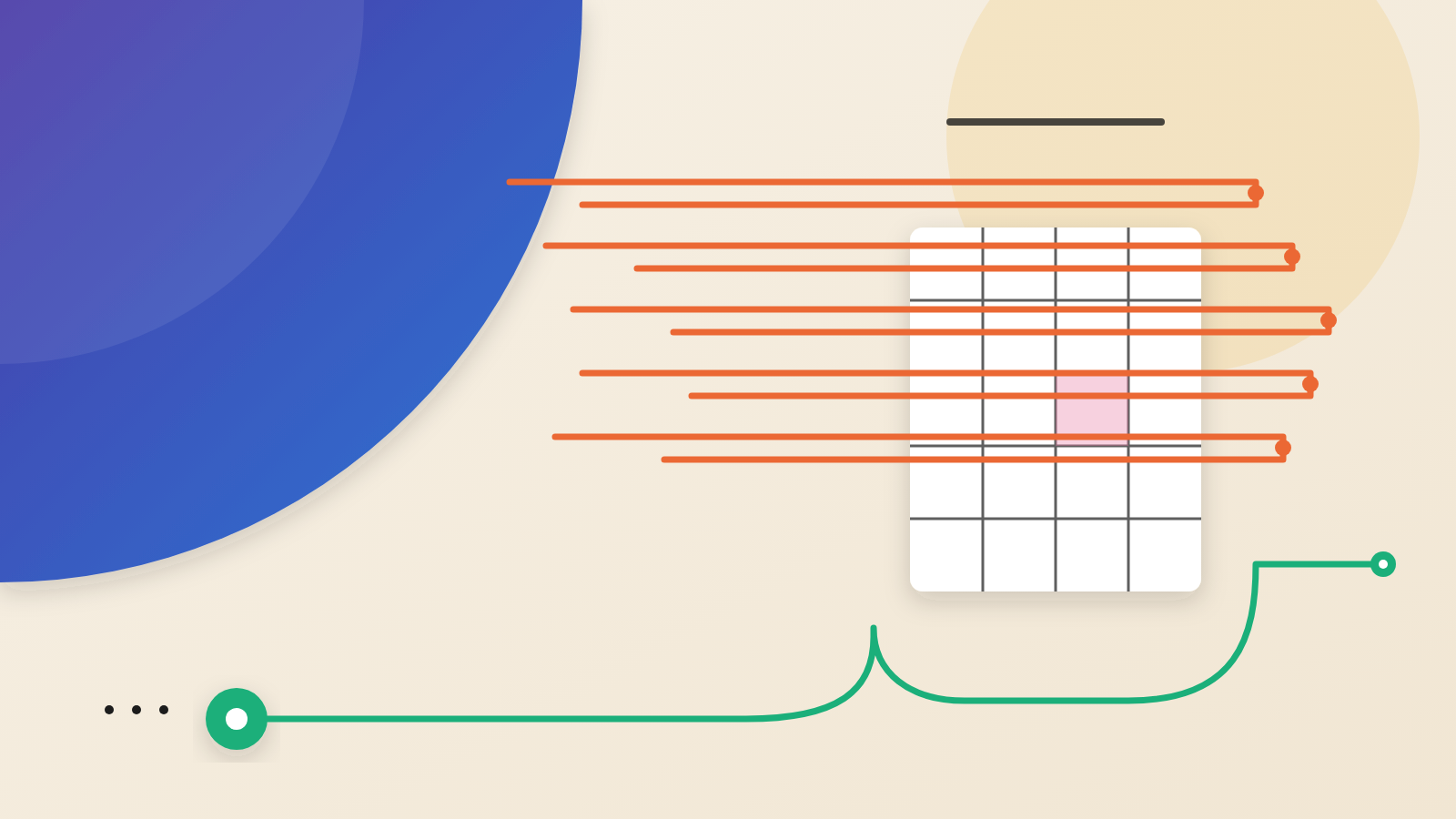
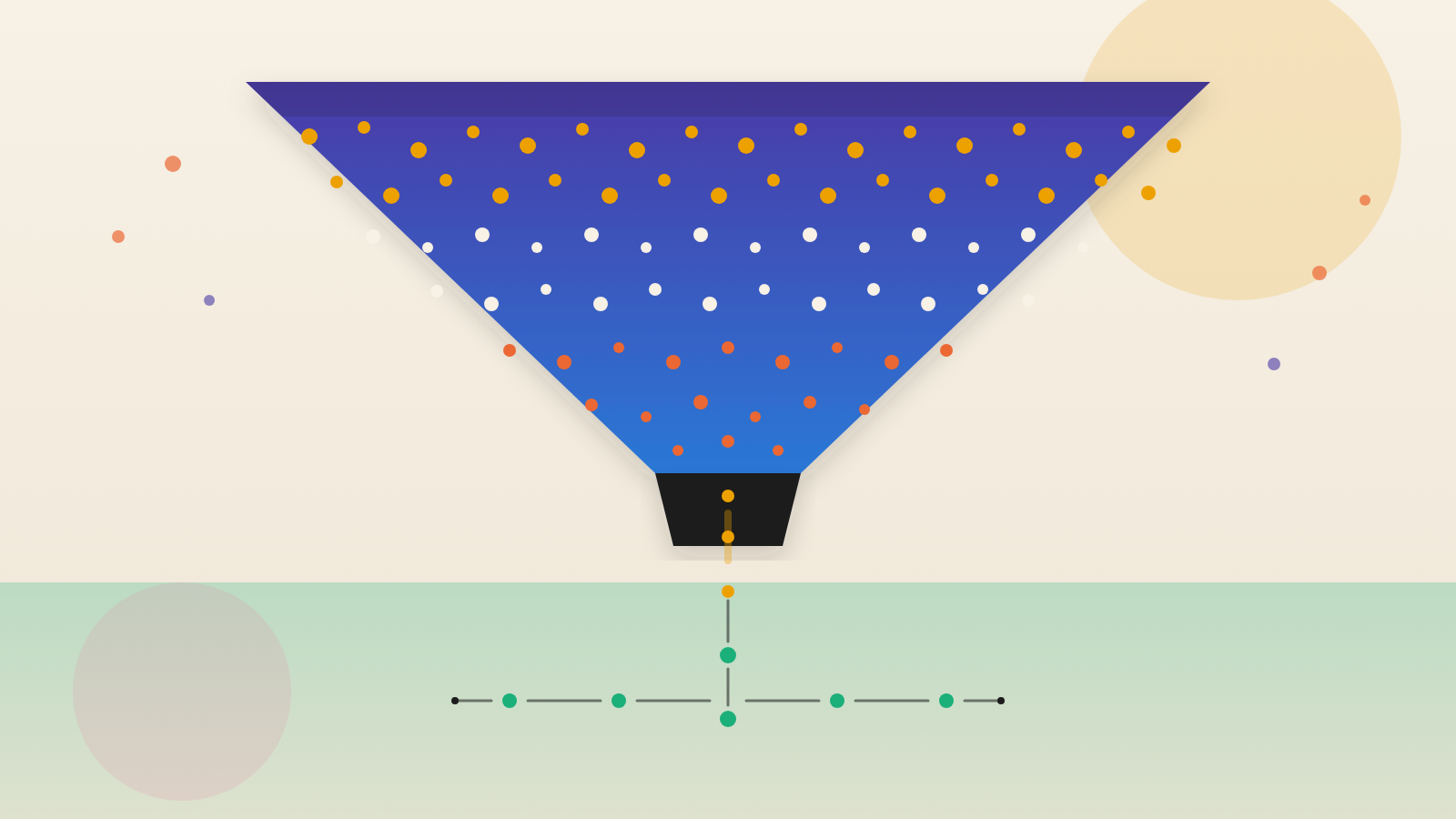
A saga is a workflow written in advance, with a fixed and predictable set of steps. In a harness, he said, the tools stay finite and deterministic. The difference is that the agent proposes the steps at runtime, instead of a developer fixing them upfront. He said you keep the older benefits, such as visibility and control. He also said durability is the cost of admission, because servers and networks fail while long-running work waits.
Why it matters
Our reading: the basics Baraiya lists are recovery after failure, recorded state, approval gates and careful handling of repeated steps. Workflow engines have handled these for years. A team that already runs one may start with those parts in place. A team building an agent from scratch has to create them, or leave the model to improvise actions it should not.
Buyers can use the same split. Ask any agent vendor what the model decides and what fixed code carries out. Baraiya's answer is that the model plans and the code acts.
The other side
Baraiya's company sells orchestration, so he has a stake in the view that these older ideas matter. He did not claim that legacy teams hold an edge. That step is our inference.
The excerpts also say nothing about what older orchestration costs to keep, whether in money, upkeep or lock-in. They do not show whether existing engines cope with steps an agent invents on the fly. His demo was limited: he said it was "a canned demo," with everything pre-planned. He also noted that how far ahead an agent can plan changes how the workflow behaves. That question stays open.
Written by the WebPulse Newsroom with AI assistance, and checked by our editorial review: every quotation was verified against the recording's transcript. How we use AI.
The conversation this talking point comes from
- AI Engineer: Brains vs Hands: How to Run AI Agents Safely in Production — Viren Baraiya (2026-10-08)